
Understanding the types of pastry is the first step to appreciating the craft behind every flaky, tender, and buttery layer on the plate. From traditional French kitchens to modern bakeries, each type carries its own technique and character.
Before indulging, explore the different types of pastry and what sets each apart.
ALSO READ: Italian Pasta Dishes Up Close: Stories Behind Every Flavor
You may also like
UNION Teh Botol Cake: A Dessert Inspired by a Favorite Drink
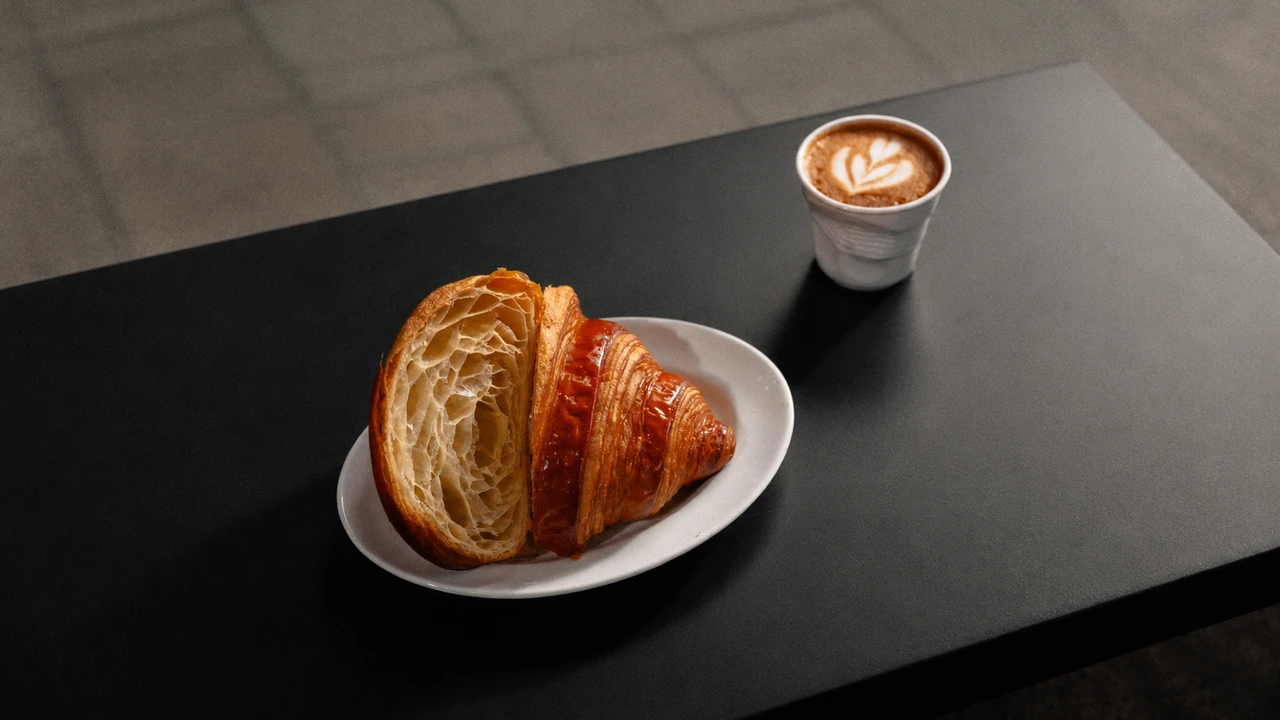
Coffee and Pastries at Knots: Find Your Favorite Pairing!

Soufflé: A Timeless French Classic with a Delicate Texture
What Is Pastry?
Pastry dough is made of flour and fat, such as butter or margarine. The word comes from the French "pâtisserie," which means the art of pastry. Once baked, pastry can be flaky, crisp, or tender depending on the method.
People often mix up pastry and bakery, but they are not the same. Pastry is a rich, fat-based dough that usually bakes into a dry, crisp result. Bakery is a broader term covering all baked goods, including soft breads and cakes.
Most pastries start with a few simple ingredients. Flour, fat, water, and sometimes sugar form the base. How these are mixed and layered creates the many types we know.
Pastry works in both sweet and savory dishes. The same base dough can go either way. What changes are the filling and how is it finished.
• On the sweet side, pastry fillings include cream, fruit, chocolate, and custard. Croissants, tarts, and danishes fall into this group. A dusting of sugar or a light glaze often completes them.
• On the savory side, pastry wraps cheese, meat, and vegetables. Quiche, savory pies, and filled puff pastry are common examples. A pinch of salt and some herbs bring out the flavor.
The Main Types of Pastry
Pastry comes in several forms, each built for a different texture. The differences come from fat, mixing, and folding. The types below are the ones you will meet most often.
1. Puff Pastry
Puff pastry is known for light, flaky layers. Bakers fold fat into the dough many times to build thin sheets. When baked, steam pushes the layers apart, causing it to rise. This type suits both sweet and savory dishes.
2. Choux Pastry
Choux pastry is unusual because it starts on the stove. Butter and water are melted, then flour and eggs are stirred in. The dough puffs in the oven and leaves a hollow center. That hollow makes choux ideal for cream filling.
3. Shortcrust Pastry
Shortcrust pastry is firmer and more crumbly than puff. It uses a high amount of fat mixed with flour, water, and a little salt. The result is a sturdy, tender crust that holds filling well. Bakers use it for pies, tarts, and quiche.
4. Phyllo (Filo) Pastry
Phyllo pastry is made from very thin, paper-like sheets. It uses little fat, so it bakes into a light, crisp layer. Cooks brush oil or butter between sheets to add richness. Phyllo appears in dishes like baklava and spanakopita.
5. Danish Pastry
Danish pastry is a laminated dough that also contains yeast. Like puff pastry, it is folded to create layers of butter. The yeast makes it softer and lighter than plain puff. It is often sweet, with a rich, buttery aroma.
6. Flaky (Rough Puff) Pastry
Flaky pastry, or rough puff, is a quicker version of puff pastry. The fat is left in larger pieces rather than fully layered. This gives a flaky texture with less effort and time. It works well for pies and savory snacks.
Viennoiserie: The Laminated Pastry Family
Beyond these bases sits a group called viennoiserie. Viennoiserie covers pastries made from laminated dough that also uses yeast.
The lamination builds butter layers, while the yeast adds a soft rise. This family is where many breakfast favorites belong.
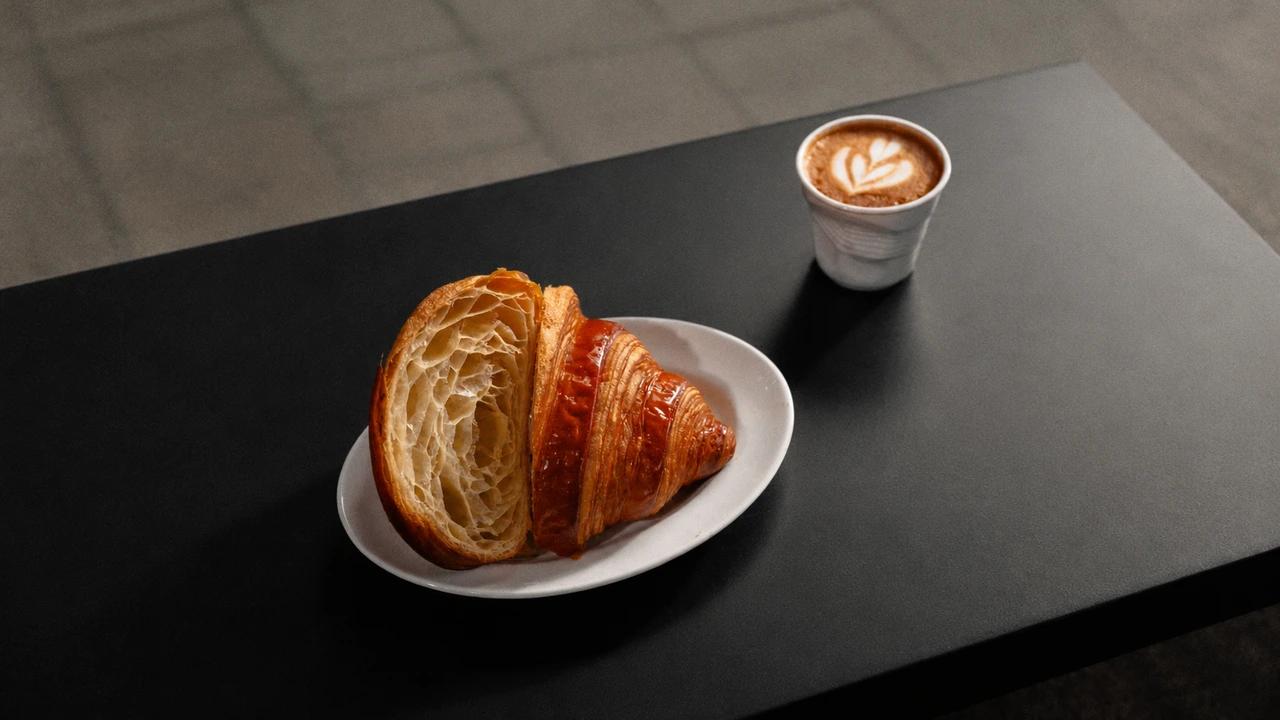
The most famous member is the croissant, with its flaky, buttery shell. A good croissant takes days to make because the dough needs time to rest. Quality butter is key, since it carries most of the flavor.
Here are a few common viennoiseries you will find in bakeries:
• Croissant: A crescent-shaped pastry with delicate, flaky layers.
• Pain au Chocolat: A croissant-style pastry filled with chocolate.
• Pain Suisse: A soft laminated pastry often filled with custard.
• Kouign-amann: A caramelized pastry from Brittany with a crisp crust.
Popular Pastries You Can Try at KNOTS
Many of these pastry types come to life in a good bakery. KNOTS focuses on viennoiserie, so its croissants undergo a three-day process.
Here are a few pastries worth trying at KNOTS:
• Traditional Croissant: Made to highlight pure, buttery flavor.
• Pain au Chocolat: Built around Valrhona chocolate.
• Pain Suisse: Cross-laminated for extra texture and flakiness.
• Kouign-Amann: Shaped in a compact, traditional form.
• The Knots: A signature pastry with hazelnut and custard.
Beyond viennoiserie, KNOTS also serves sweets like Basque cheesecake and entremets. This gives you a full range, from flaky pastry to rich cakes.
ALSO READ: Discovering Italian Cuisine: A Journey Through the Flavors of Italy
Savor Every Type of Pastry with a Three-Day Artisan Viennoiserie Experience at KNOTS
Now that you know the difference between flaky puff, hollow choux, and crumbly shortcrust, the next step is tasting them done right. Understanding types is one thing. Experiencing pastry crafted with patience and precision is another.
KNOTS is a premium artisan viennoiserie label where every croissant and laminated pastry undergoes a three-day process to develop its signature flaky layers. The bakery's iconic creation, The Knots, is a ribbon-shaped pastry finished with hazelnut and custard.
From a pure, buttery Traditional Croissant to the compact Kouign-Amann, each pastry reflects meticulous technique paired with fine ingredients.
Whether you crave a classic Pain au Chocolat or an entremet to finish your visit, there is a pastry here worth savoring slowly. Visit KNOTS at Kemang and reserve your table today for an elevated taste of artisan pastry.