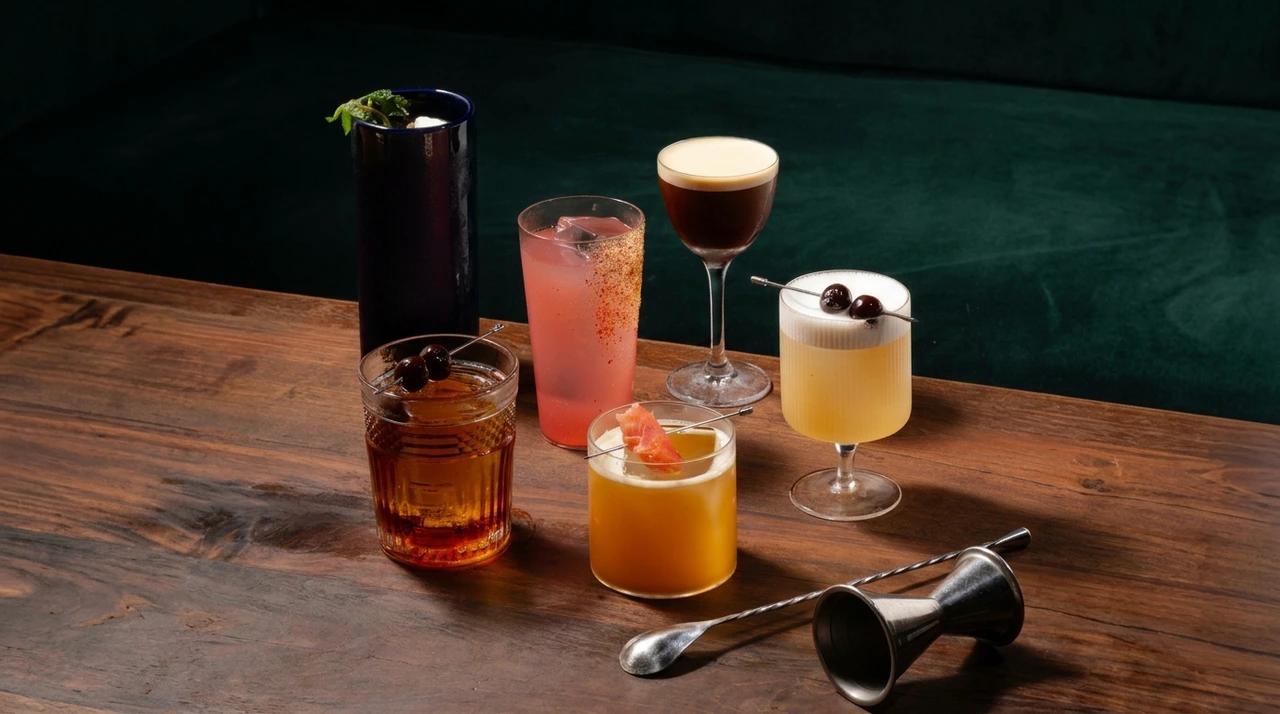

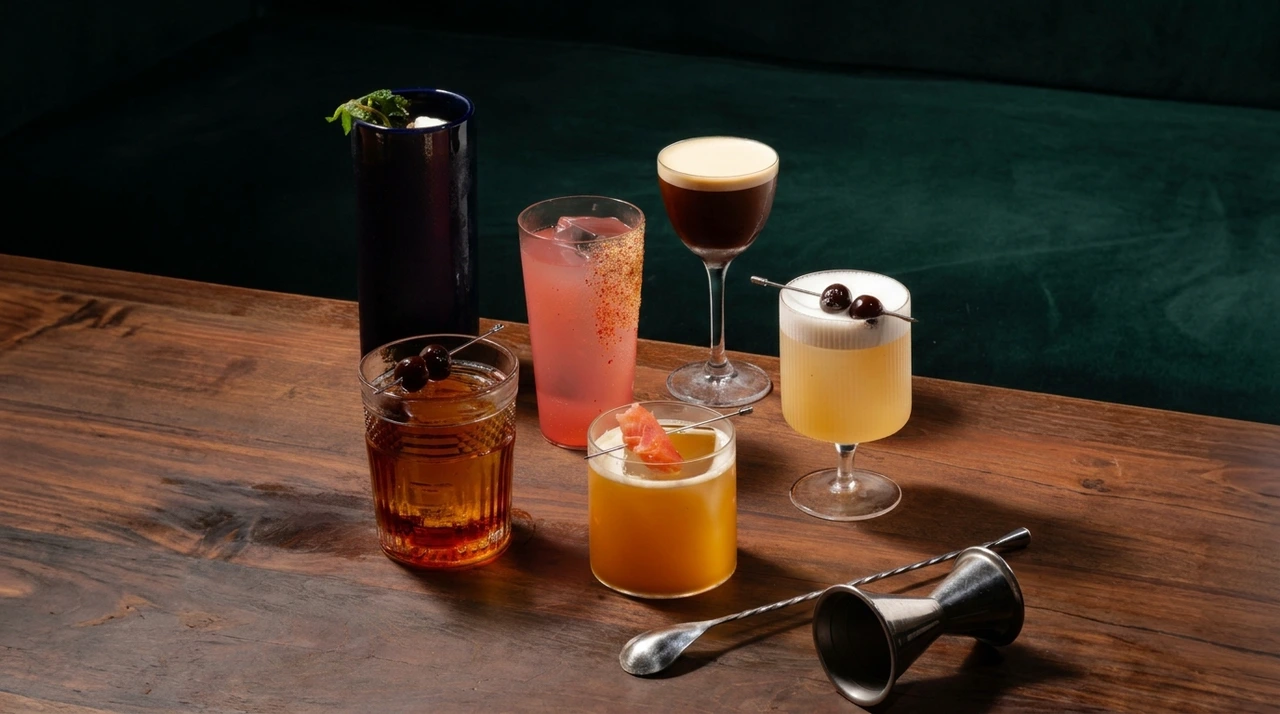
Cocktails are grouped into two categories, classic and modern. Some rely on spirit, sugar, and bitters. Others lean on citrus and brightness. Modern mixes add technique, texture, and layered ingredients.
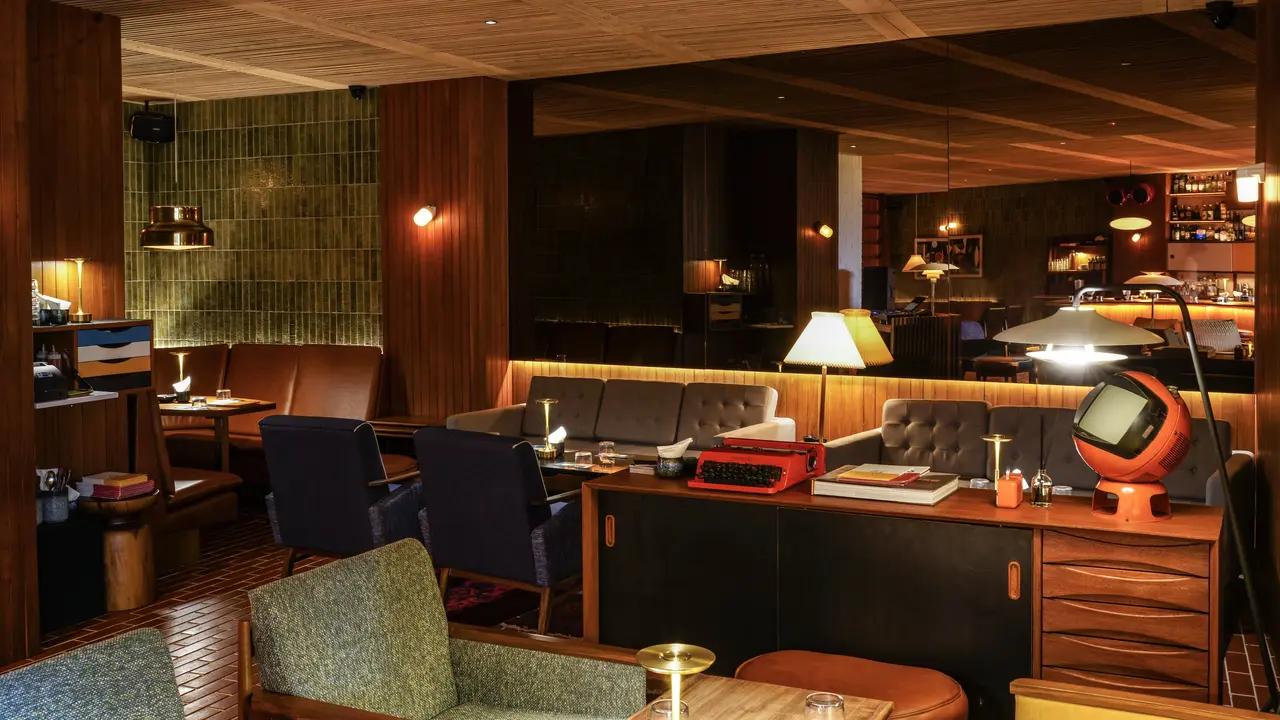
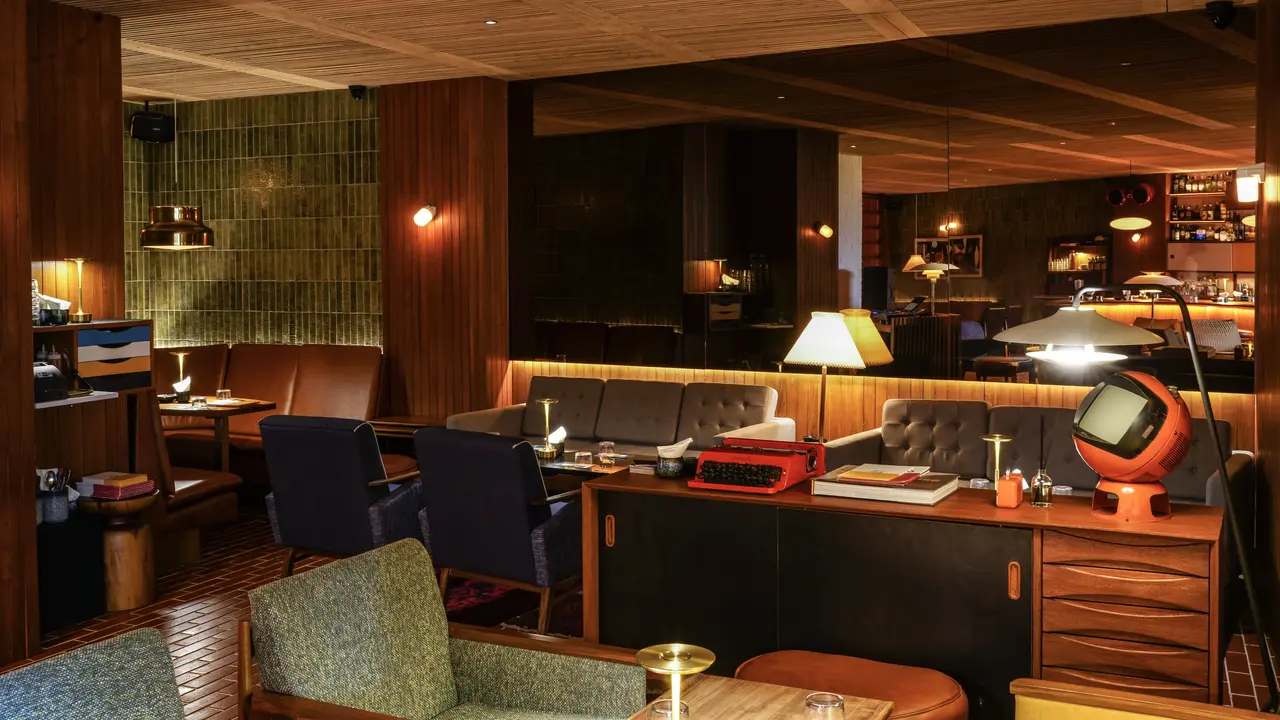
ModernHaus frames this evolution through design and botany. The concept marries mid-century modern sensibility with progressive cocktail technique. The word "haus" signals both house and thirst, shaped for an architectural drinking experience.
This menu explores the anatomy of plants. Each drink begins with an ingredient, then builds around a root, fruit, leaf, or flower. Mirwansyah Bule leads with an ingredients-first approach that keeps the result precise.
You may also like
The Cocktail Club Drinks: Explore a Variety of Favorite Cocktails
Cocktail Bars in Jakarta: A Guide to Enjoying Various Cocktails
Whisky Selection: Whisky Tasting & Curated Menu at Cork&Screw
Types of Classic Cocktails
Classic cocktails are structured and balanced. Once you know the base, modern variations read clearly.
1. Martini Style
This family feels dry, clean, and spirit-forward. It often uses gin or vodka with aromatized wine. It suits guests who prefer clarity over sweetness.
ModernHaus offers a non-alcoholic martini-inspired build. Non-Espresso Martini uses espresso and barley, crafted with time mushroom shoyu.
2. Sour Style
Sours use citrus for lift and sweetness for balance. The texture can be light or creamy, depending on the technique. This style works well for first orders.
ModernHaus uses a house sour in several drinks. The structure appears in Lychee, Kenanga, and Cempaka.
3. Highball Style
Highballs are tall, refreshing, and built for pace. They use carbonation to keep the finish clean. This style pairs well with warm nights and long conversations.
Kenanga reads as a bright, fizzy profile with pisco, Empirical The Plum I Suppose, Cocchi Rosa, and supersour.
4. Old Fashioned Style
This family is spirit-forward with sweetness and bitter structure. It highlights base spirit quality and controlled dilution. It suits guests who prefer depth and length.
Apple leans in this direction with smoked manalagi apple brandy, koji, umami bitters, and apple miso.
Types of Modern Cocktails
Modern menus are abstract. Plant anatomy makes the choice practical. Pick a category based on flavor direction, then refine by strength.
1. Leaf Cocktails
Leaf-driven drinks often taste vegetal, herbal, and clean. They suit guests who enjoy freshness and savory detail. They also pair well with food.
Celery uses celery vodka, bergamot liqueur, clarified celery, and cucumber, plus MSG. The profile reads vegetal, umami, and floral with a firm structure.
Pohpohan combines refined juniper mint liqueur, champagne lactic, pohpohan, limeade cordial, and methylcellulose. It reads vegetal, minty, and citrusy with a composed finish.
Betel uses betel rum, coconut water, umeshu, lemon verbena, Cocchi Bianco, and pickled betel leaf. It reads floral, fruity, and sour with clear lift.
2. Root Cocktails
Root-led drinks tend to feel grounded and serious. They lean toward bitter, chocolatey, or mineral notes. They suit late evening pacing.
Beet pairs beetroot with tequila, cacao husk vermouth, and white chocolate whey. Switched Campari strawberry adds a bitter red frame. The profile reads earthy, chocolate, and bitter.
Purple Yam blends purple yam arrack with elderflower liqueur and clarified rice wine. Vetiver tincture adds dryness and perfume. The profile reads spirit forward, earthy, and sweet.
Turmeric combines turmeric gin with coconut chai milk and cream. Salted tamarind and lemonade soda keep it bright. The profile reads creamy, spiced, and citrusy.
3. Fruit Cocktails
Fruit-led drinks do not need to be sugary. The best versions use acidity, bitterness, or umami for structure. They suit guests who want generosity with precision.
Lychee mixes cereal sopi and lychee wine with clarified lychee. Supersour shapes the balance, finished with coconut foam. The profile reads fruity, tropical, and wine-like.
Apple, while spirit-forward, still reads fruit-led in aroma. Smoke and miso pull it into a more adult register.
4. Flower Cocktails
Flower-driven drinks focus on aroma and finish. They often feel polished and quietly expressive. They suit guests who enjoy fragrance and restraint.
Cempaka uses cempaka whiskey and blended malt with Cocchi Bianco and supersour. Hibiscus, ginger, and maple add floral warmth and gentle spice.
Melati blends peach jasmine gin with jasmine sherry and peach. Hojicha soda and cold brew jasmine tea add length and lift. The profile reads floral, fruity, and fizzy.
ModernHaus Blend Whiskey
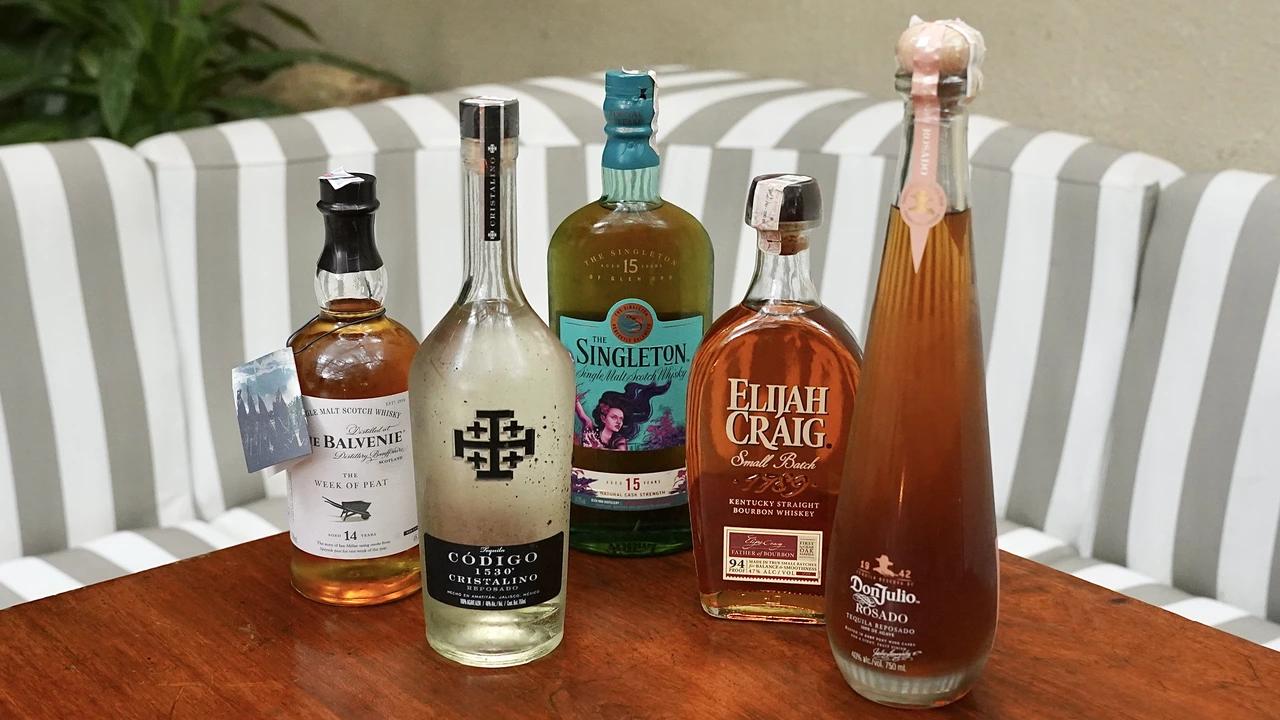
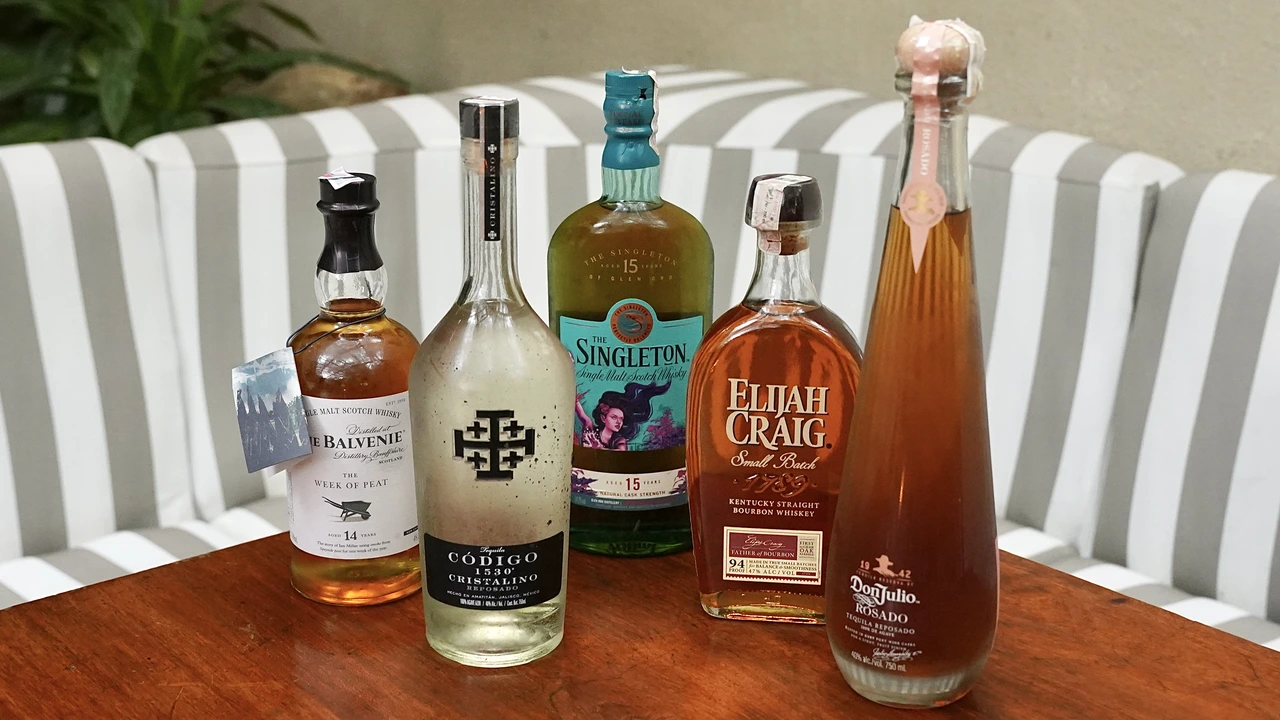
ModernHaus Blend Whisky is crafted from a bold blend of Bourbon Whisky, Japanese Whisky, and Islay Single Malt Scotch Whisky. Rested for 40 days in a Bourbon barrel at our warehouse, the blend develops a layered and expressive profile that captures the distinctive spirit of ModernHaus.
1. Nose
Herbal notes lead the way, with peppermint, pine, and pleasant grassy tones, rounded out by cucumber and melon.
2. Palate
The herbal freshness carries seamlessly onto the palate, where the mint develops into softer, sweeter notes. Bright citrus zest adds further vibrancy.
3. Finish
Long and lingering, with a gentle waft of smoke appearing toward the end.
How to Match Cocktails to Your Mood and Table
A simple pairing rule keeps decisions quick. Choose by strength and flavor direction. Then adjust based on what you are eating.
• If you want crisp, clean results, start with leaf builds.
• If you want depth and bitterness, choose root builds.
• If you want generous aromatics, choose fruit builds.
• If you want perfume and elegance, choose flower builds.
ModernHaus offers many options on its menu, making it easier to decide what to order.
Visit ModernHaus for an Ingredients-First Cocktail Experience
If you are searching for the best cocktail bar in Jakarta, look for a bar with a clear point of view. ModernHaus builds cocktails through mid-century design principles and plant anatomy.
Order one leaf and one root cocktail to compare the structure. Then finish with a fruit or flower profile for contrast. That sequence shows how ModernHaus turns ingredients into intent.