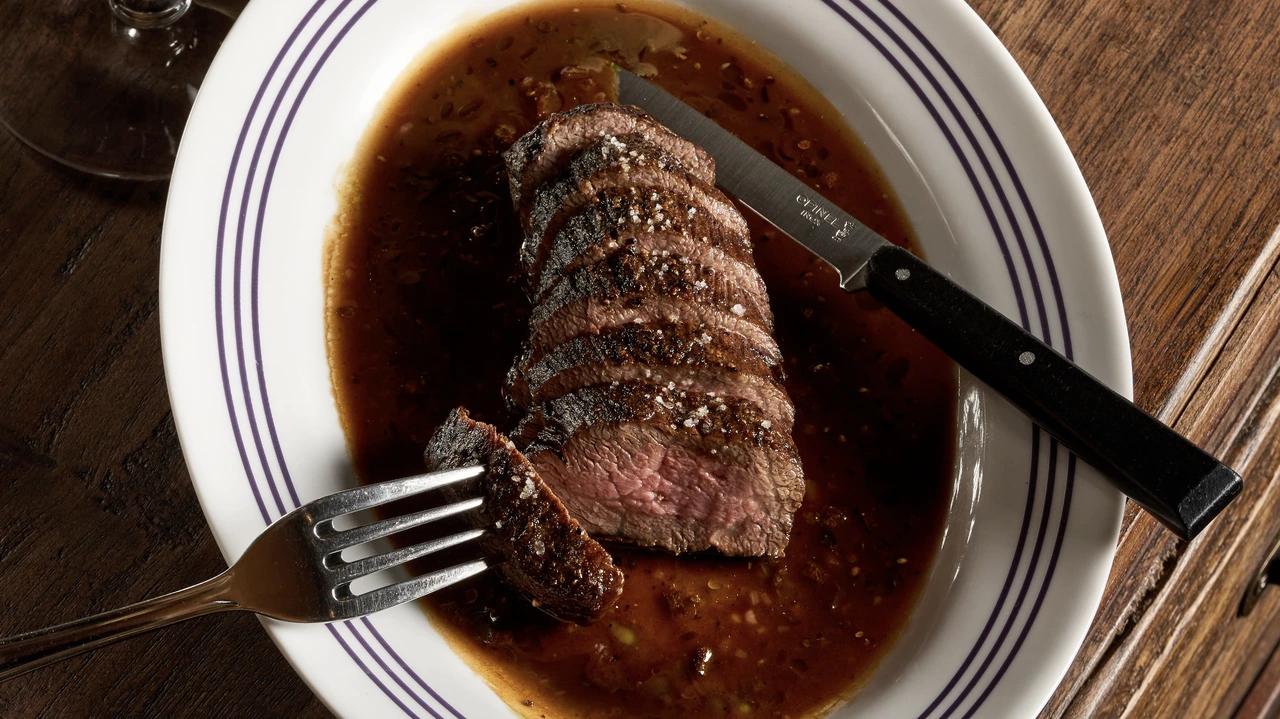
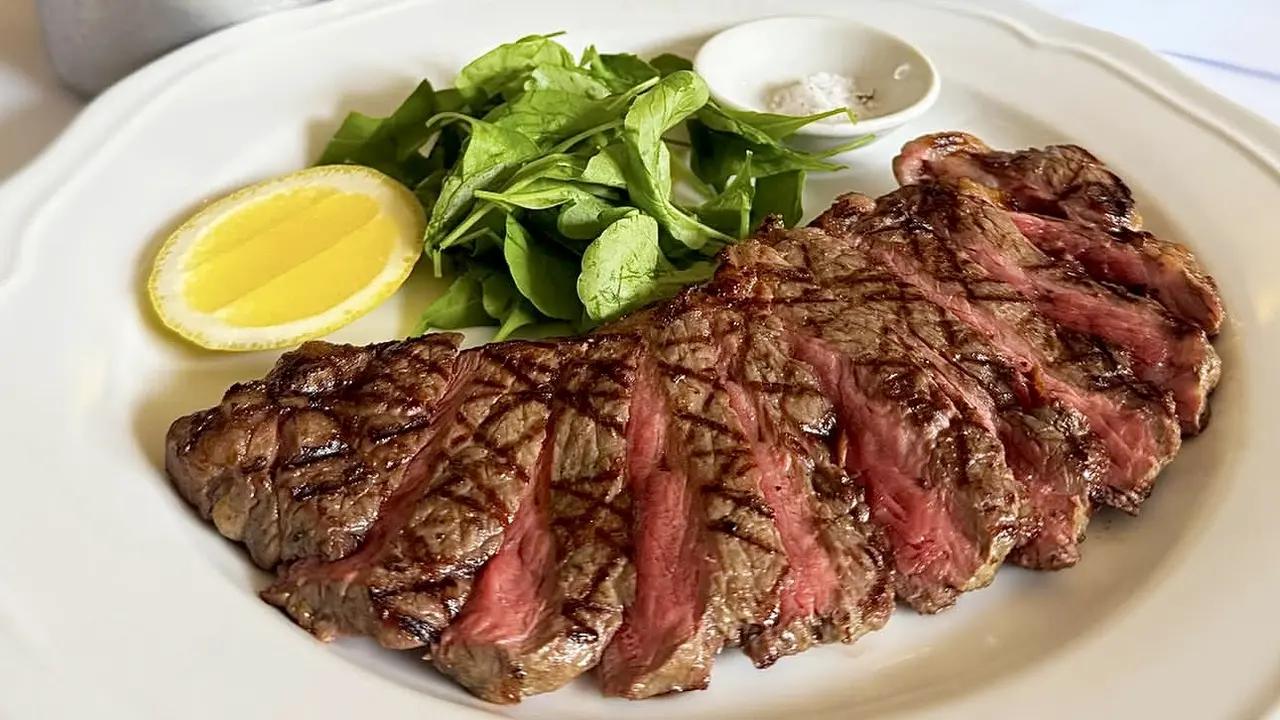
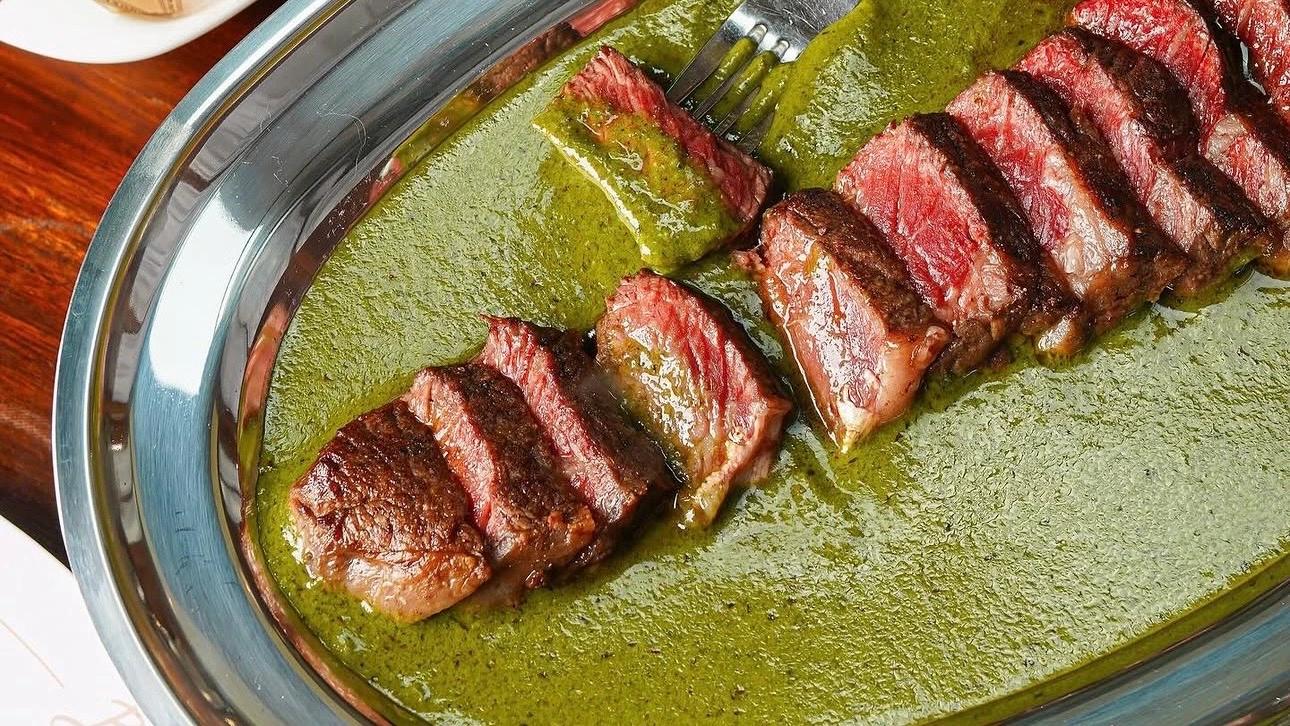
Dry-aging reduces the original weight of beef by 15-30%. This weight loss is due to evaporation. The meat is stored in a room at 1-4°C with 70-80% humidity.
Though meat shrinks as it loses moisture, its flavor becomes more concentrated and savory. Meanwhile, natural enzymes break down muscle fibers, making the texture more tender.
ALSO READ: Fine Dining Steak: The Art of Enjoying Premium Cuts
You may also like
Food Menu in Pierre: Explore Dishes for Every Taste
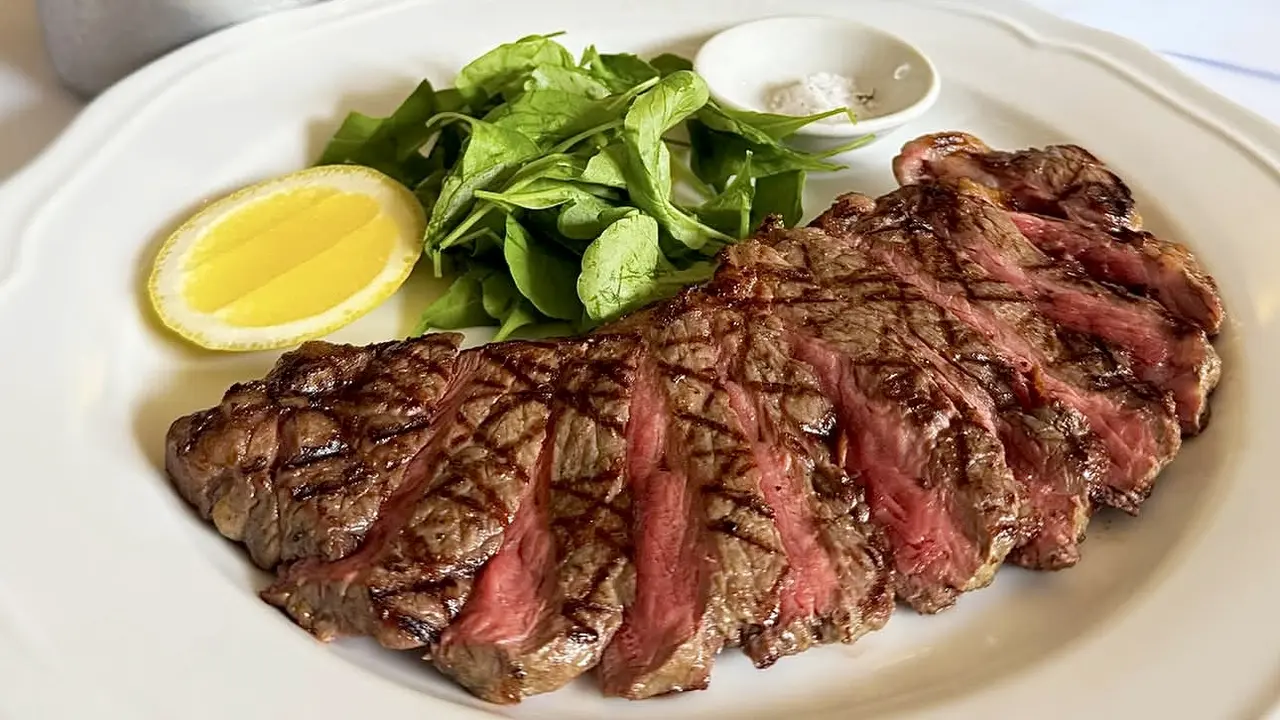
Westholme Wagyu Steak at Bistecca: Menu & Reservation
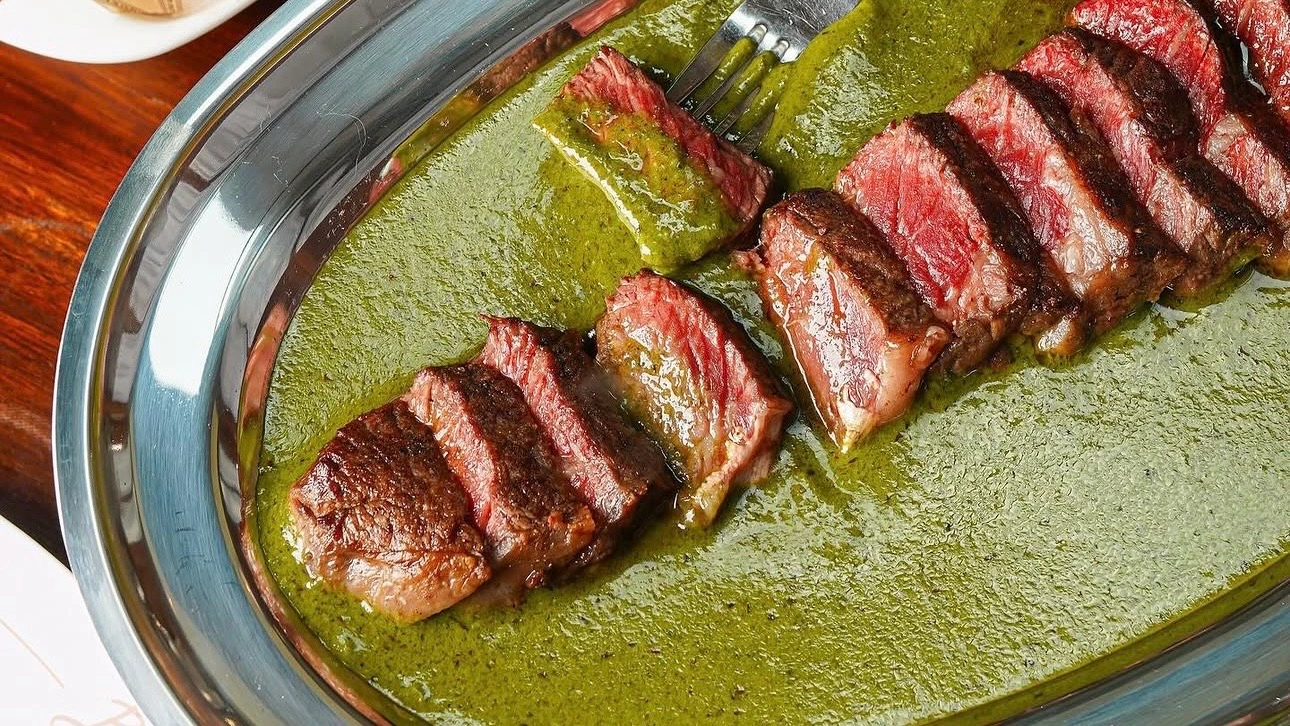
Black Angus Steak: The Secret Behind Its Signature Quality
What Is Dry-Aged?
Dry-aging is a traditional preservation technique that requires a controlled environment of temperature, humidity, and airflow for weeks or even months.
With the meat's surface dried to prevent it from rotting, 3 additional processes occur inside that will affect the tenderness and strong aroma of the final dish.
1. Natural Enzymes Tenderize the Meat
Beef contains natural enzymes that remain active after the meat is cut. These enzymes break down collagen and elastin, which hold muscle fibers together, resulting in a more tender texture.
Because this tenderization process takes several weeks, a short aging period will not significantly affect the meat's texture.
2. Moisture Loss Concentrates the Flavor
During the aging process, moisture slowly evaporates from the surface of the meat.
As the meat loses water, flavor compounds such as amino acids and natural sugars become more concentrated throughout the meat.
As a result, dry-aged steak has a much richer and more savory flavor than fresh beef from the same cut.
3. The Dry Crust Protects the Interior
The outer surface of the meat gradually hardens, forming a dark protective layer known as a crust.
Consistent airflow keeps this layer dry and helps protect the meat from spoilage bacteria.
Before the meat is cooked, this crust is trimmed away, leaving only the tender and juicy interior to be served.
The Difference Between Dry-Aged and Wet-Aged
Most beef available today is processed using the wet-aging method.
In this process, the beef is vacuum-sealed with its natural juices and stored in a refrigerated environment for several weeks.
Natural enzymes still tenderize the muscle fibers inside the package, but very little moisture is lost.
By contrast, the defining feature of dry-aging is meat's direct exposure to air.
Without vacuum packaging, the dry air in the aging room gradually draws moisture from the meat, resulting in a more pronounced aroma.
This process produces distinctive flavors, including nutty notes, subtle mushroom-like flavors, and a deep umami taste.
In addition, weight loss from moisture evaporation and the need to trim away the outer crust make dry-aged beef significantly more expensive.
Aging Time of Dry-Aged Steak
The aging process gradually changes the flavor and texture of the meat. Each aging period creates its own distinct characteristics.
1. 3-14 Days (Short Aging Period)
This short aging period is commonly used for poultry, such as chickens and ducks. The goal is to dry the skin and create an especially crisp texture.
At Cork&Screw Country Club, 3-Day Aged Whole Chicken and 12-Day Aged Duck Breast use this technique. The reduction in moisture allows the fat beneath the skin to render more evenly.
2. 20-30 Days (Standard Aging Period)
This period is commonly used for high-quality beef. At this stage, the muscle fibers have become significantly more tender, while nutty aromas begin to develop.
Highly marbled beef, such as Wagyu, is well-suited to this aging period because it already contains a high amount of intramuscular fat.
3. 40 Days and Beyond (Long Aging Period)
Beyond 40 days, the beef's flavor becomes much more intense and complex. Blue cheese and earthy notes may also begin to emerge. This style is best suited to those who are already familiar with the bold flavor of dry-aged beef.
However, many restaurants limit the aging process to 60 days. The reason is that an overly intense flavor may overpower the beef's natural character.
Best Beef Cuts for Dry-Aging
Lean cuts without sufficient fat and bone are not recommended for this method. Here are several beef cuts commonly used for dry-aging.
1. Ribeye and OP Rib
These cuts contain abundant intramuscular fat, while the bone helps retain moisture in the meat.
2. Striploin
This cut has a thick layer of fat along one side, which helps limit excessive moisture loss.
3. Porterhouse and T-Bone
These cuts offer a unique combination, containing 2 distinct muscles (tenderloin and striploin).
4. Tomahawk
This cut features a long, large rib bone that helps protect the meat's structure during aging.
How to Enjoy Dry-Aged Steak at Its Best
To get the most out of your dry-aged steak, follow these steps.
1. Take your first bite without any sauce so you can fully appreciate the nutty aroma and umami flavor.
2. Choose a medium-rare doneness, as excessive heat dries out muscle fibers that have already lost some moisture.
3. Let the steak rest for 2–3 minutes before slicing, so the juices redistribute evenly.
4. Slice against the grain at approximately 1 cm thick for a more tender texture.
5. Pair it with medium-bodied red wine, such as Cabernet Sauvignon or Syrah. Its tannins help balance the richness of the meat.
ALSO READ: What Is Wagyu? An Exclusive Beef with Deep, Rich Flavor
Savor Dry-Aged Steak at Cork&Screw Country Club!
Cork&Screw Country Club, located at Senayan Avenue in Jakarta Pusat, offers premium dry-aged dishes.
For sharing, try the 20-Day Aged Stockyard Wagyu OP Ribs MB8+, weighing 1 kg. For an individual serving, the 20-Day Aged Pinnacle Striploin MB2+ is available in 300 g portions.
Make your reservation at Cork&Screw Country Club!