Wagyu literally means "Japanese cow" in the Japanese language. The term refers to four native Japanese cattle breeds known for their intramuscular fat.
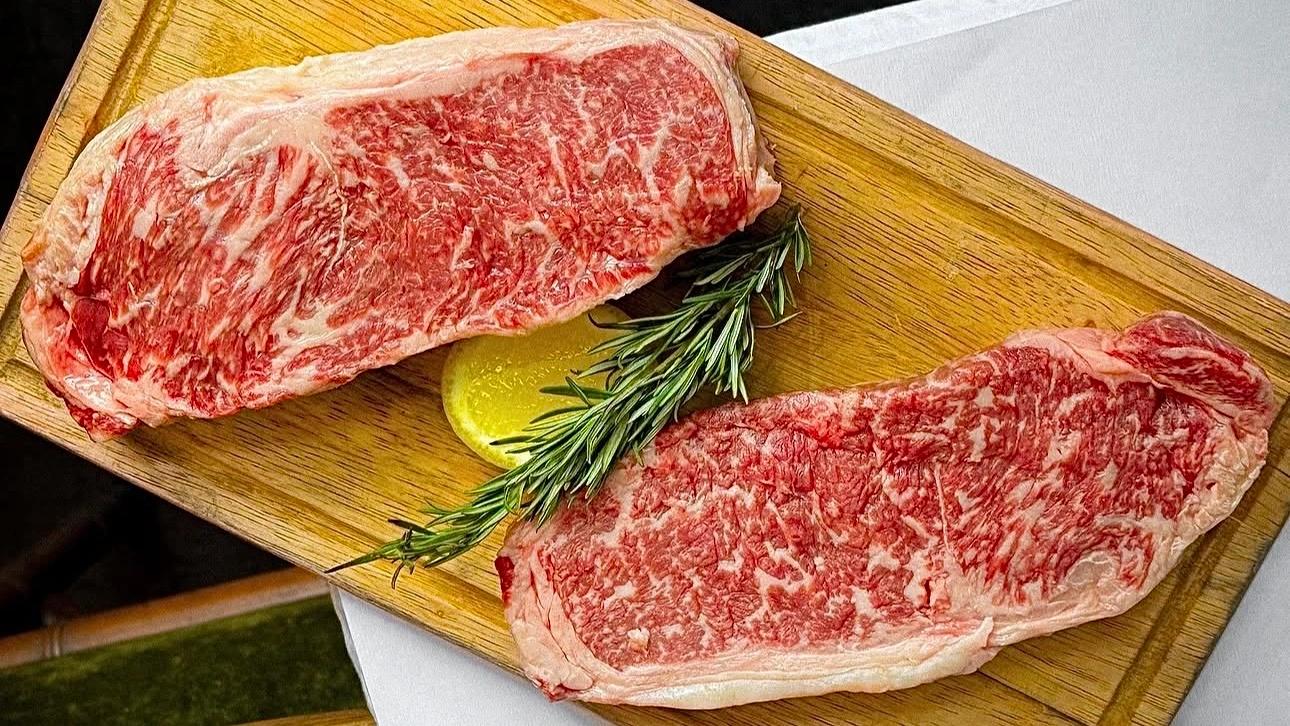
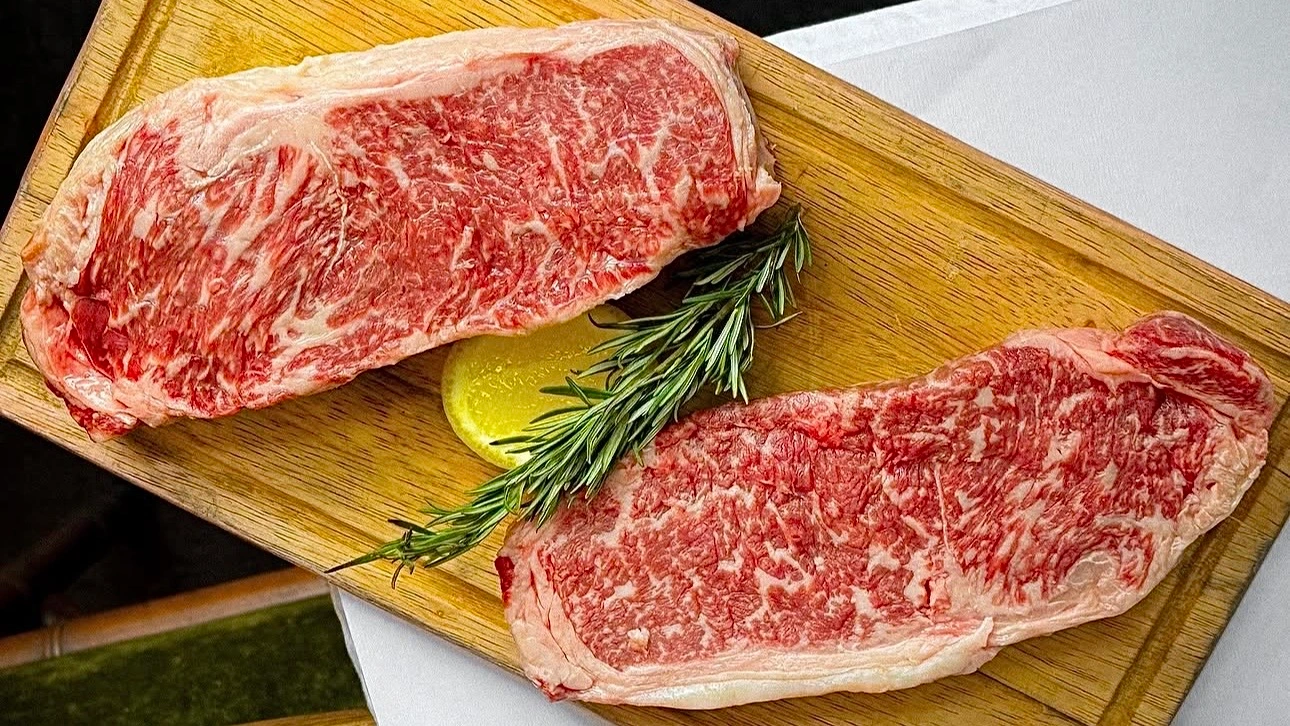
The fat inside the meat is distributed evenly within the muscle fibers, not just on the outer surface. This fat distribution pattern is called marbling. Marbling is what gives wagyu beef its tender texture and unmatched savory flavor.
This article walks you through the origins, characteristics, grading system, and types of wagyu available today.
ALSO READ: What Is Rib Eye Steak? A Cut Defined by Perfect Marbling
You may also like
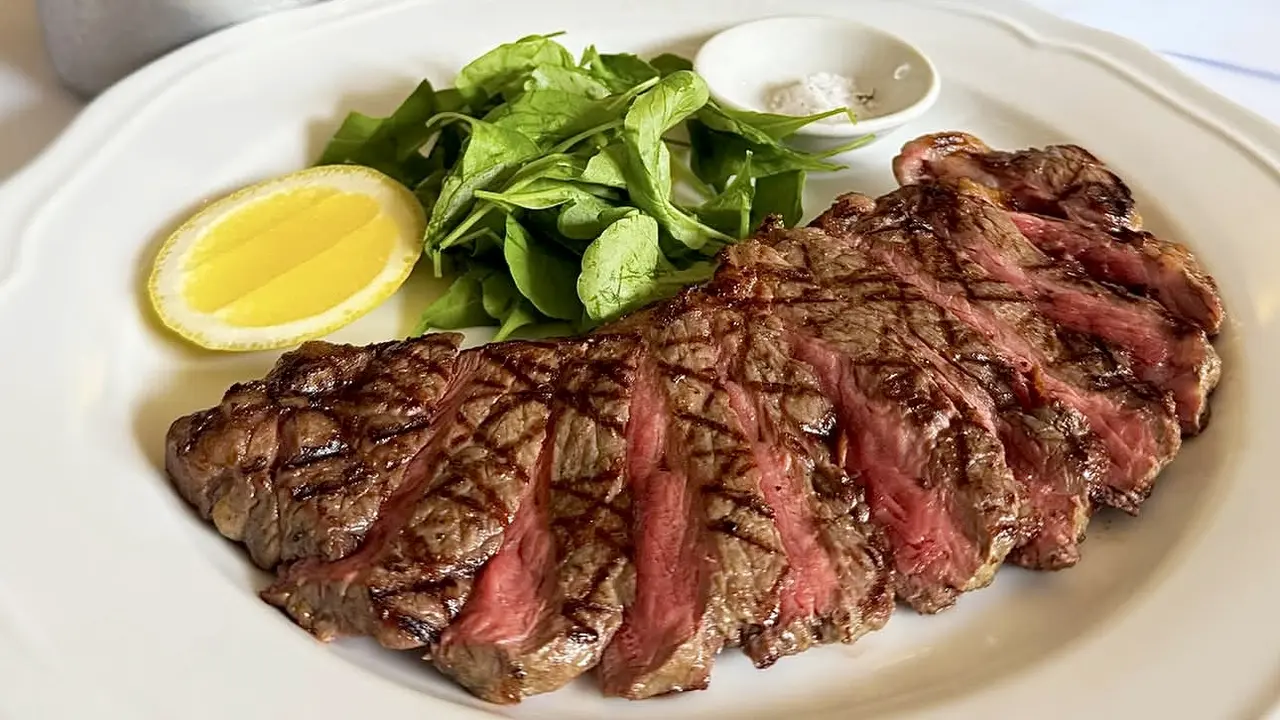
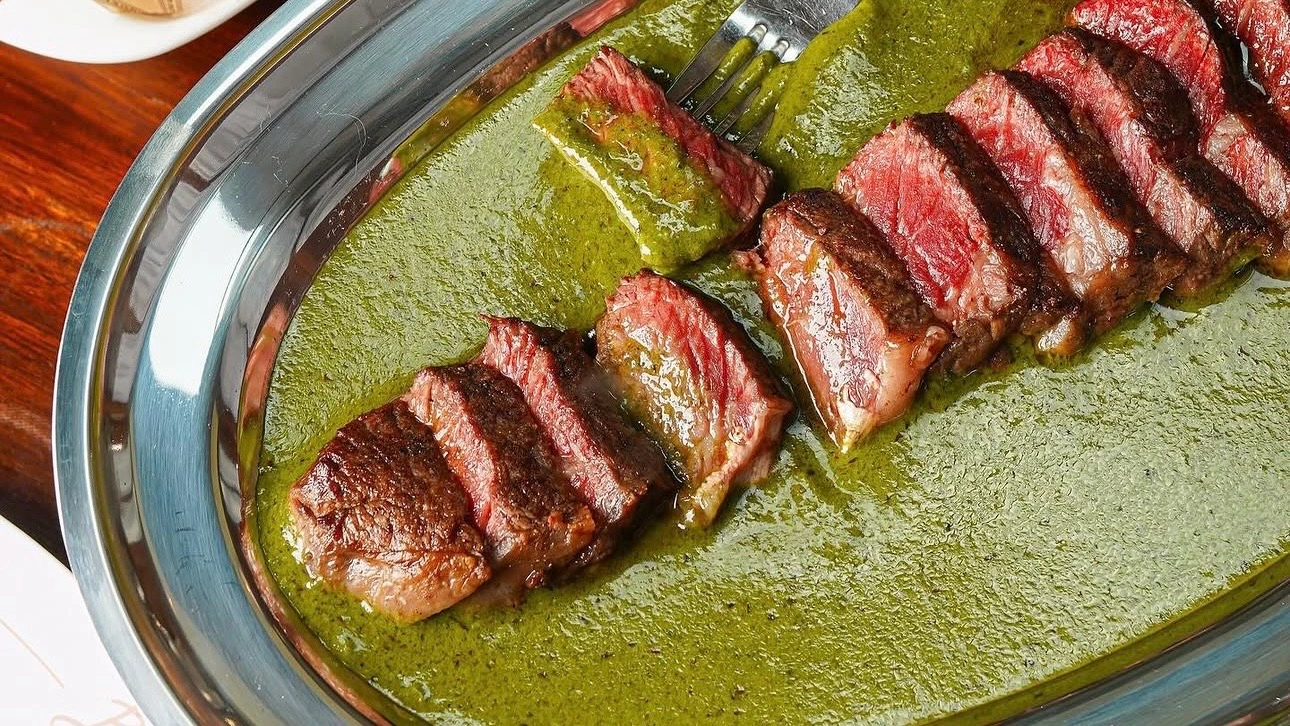
Westholme Wagyu Steak at Bistecca: Menu & Reservation
Black Angus Steak: The Secret Behind Its Signature Quality
A5 Wagyu Steak: From Perfect Marbling to Rich Flavor
What Makes Wagyu Beef Special
Wagyu is more than just expensive beef. There are genetic and historical reasons behind its quality.
Breed and marbling are the two main factors that set wagyu apart from regular beef.
1. The Four Original Wagyu Breeds
The term wagyu covers four Japanese cattle breeds officially recognized by the Japanese government.
• Japanese Black is the most famous and widely produced breed. Over 97% of wagyu production in Japan comes from this breed. Japanese Black is known for its exceptionally high marbling.
• Japanese Brown, also called Red Wagyu, produces leaner meat. The flavor remains strong despite having less fat.
• Japanese Shorthorn has a high amino acid content. Meat from this breed produces a deeply rich umami flavor.
• Japanese Polled is the rarest of the four breeds. Its meat is lean with high quality.
2. Marbling and the Signature Flavor of Wagyu
Marbling refers to the fine streaks of fat within the muscle fibers of beef. In wagyu, this fat melts at around 30 degrees Celsius. That temperature is lower than the melting point of regular butter.
Because of this low melting point, wagyu fat melts the moment it enters your mouth. This sensation is what creates the tender texture often called melt-in-your-mouth.
Wagyu also contains higher levels of monounsaturated fatty acids than regular beef. Its omega-3 and omega-6 content is also greater compared to conventional beef.
When heated, wagyu releases a distinctive sweet aroma known as wagyu beef aroma. Lactone compounds in the fat are the source of this aroma.
Wagyu Grading System and Types You Should Know
Beyond breed and marbling, wagyu quality is also determined by an official grading system.
Each wagyu-producing country has its own grading standard. Here is a full breakdown.
1. Wagyu Beef Grading System
In Japan, wagyu is graded based on two main factors.
The first factor is the yield grade on a scale of A, B, and C. A grade of A indicates the highest percentage of consumable meat from one cow.
The second factor is the meat quality grade on a scale of 1 to 5. This assessment is based on four criteria. These are marbling, meat color, firmness and texture, and fat luster and color.
The combination of both factors produces 15 quality levels. A5 is the highest grade for Japanese wagyu.
Australia uses a different system called Marble Score (MB). The MB scale ranges from 1 to 9+. MB 6-7 equals very good quality. MB 9+ approaches Japanese wagyu A5 quality.
2. Types of Wagyu by Country of Origin
Wagyu today does not only come from Japan. There are several types of wagyu based on the country of production.
Japanese Wagyu is purebred wagyu raised and officially registered in Japan. Every cow can be traced through a national traceability system. Quality is strictly monitored by the Japanese government.
Australian Wagyu is a crossbreed between Japanese wagyu cattle and local Australian breeds. The meat has rich marbling with larger serving portions. Australian Wagyu is graded using the Marble Score (MB) system.
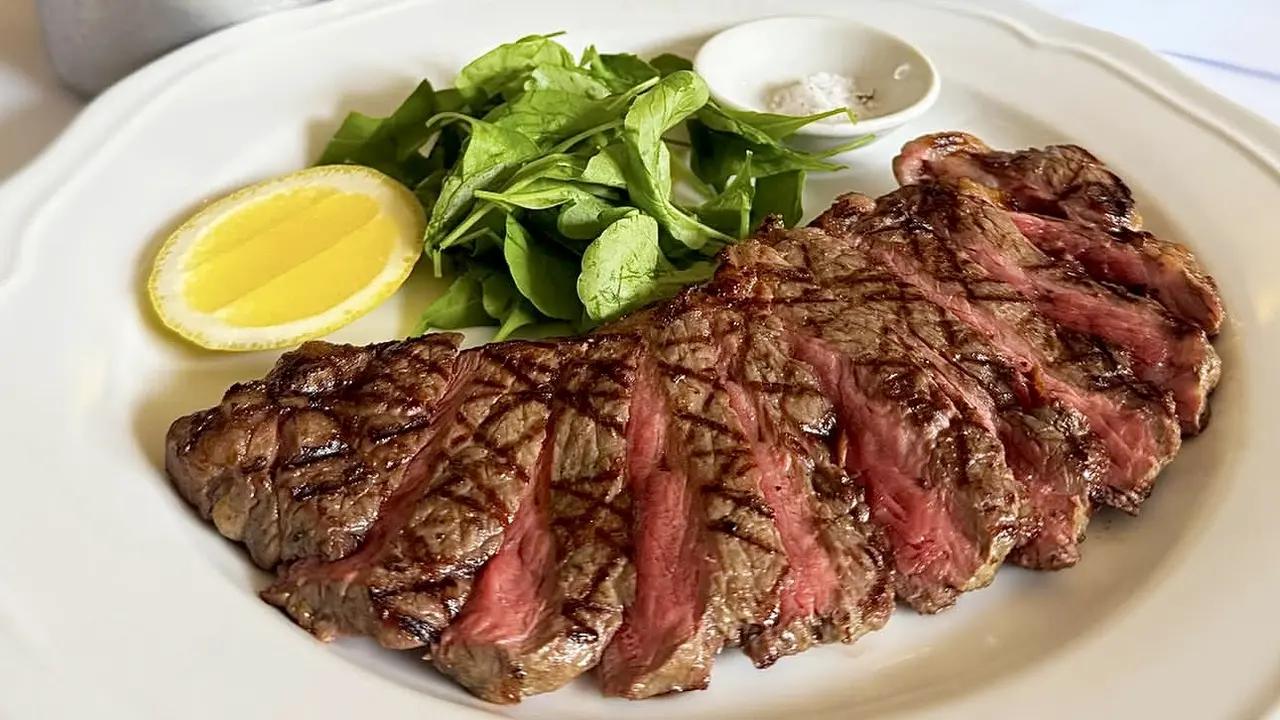
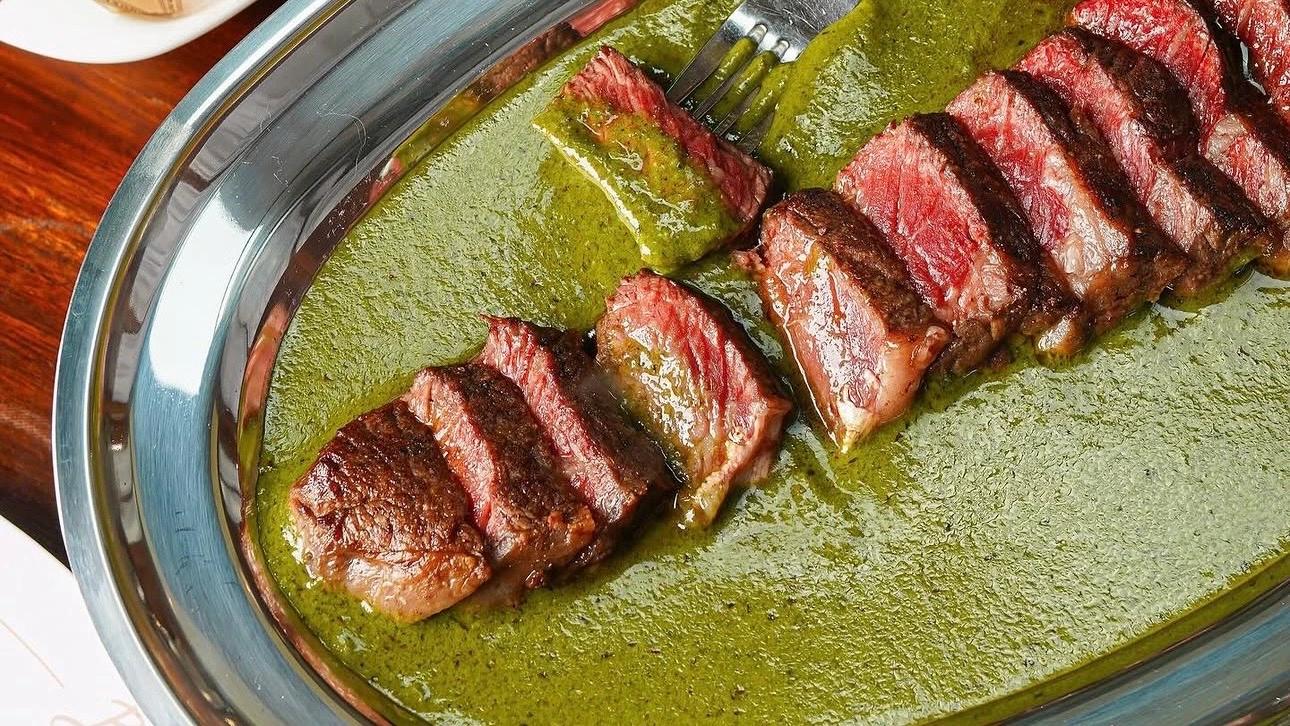
Bistecca serves this type of Australian Wagyu. Chef Luca Pezzera personally curates every cut of meat served at the restaurant. Rib-Eye MB 6-7 and New York Striploin MB 6-7 are top picks for steak lovers.
American Wagyu is a crossbreed between Japanese wagyu cattle and American Angus. The meat combines wagyu marbling with the traditional American beef flavor.
ALSO READ: Types of Steak and What Makes Each Cut Unique
Enjoy Premium Australian Wagyu Only at Bistecca
From the original Japanese breeds, marbling technique, grading systems, to wagyu types by country of origin, every aspect of wagyu beef has its own standard. The quality of the meat is determined by genetics, feed, environment, and a strict grading process.
Bistecca serves Australian Wagyu flown in directly while chilled, never frozen at all.
Beyond steak, you can also enjoy Wagyu Beef Carpaccio and Homemade Tagliatelle with Wagyu Beef Bolognese here.
Inspired by legendary New York steakhouses and classic Florentine ristoranti, you can find Bistecca at PIK Avenue in North Jakarta and 18 Parc Place SCBD in South Jakarta.
Visit Bistecca now and enjoy premium wagyu for your best steak dining experience.