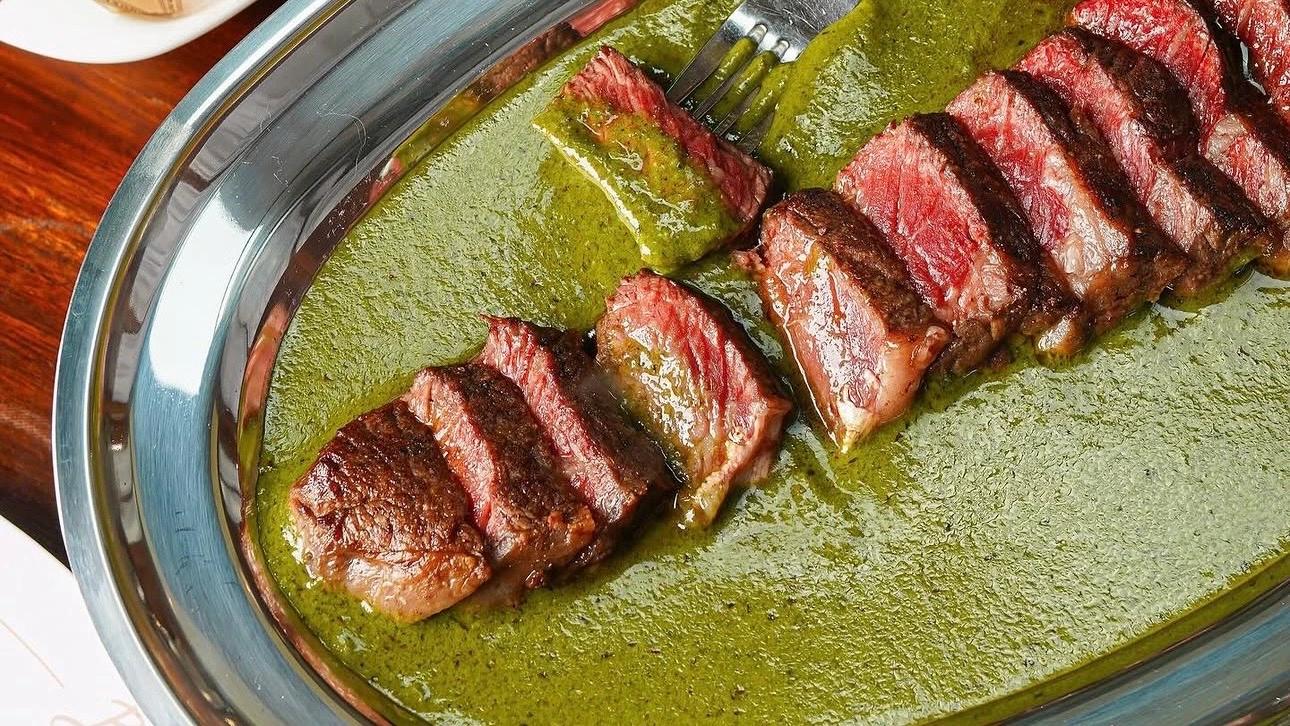
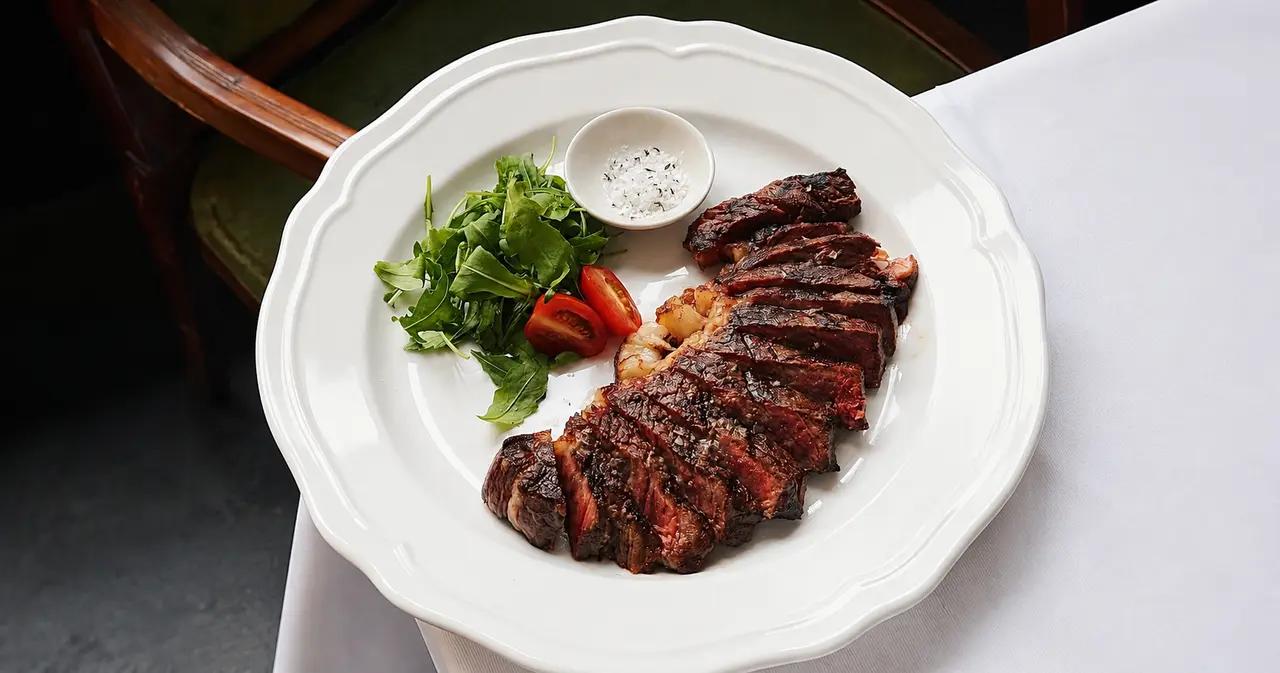
Rib eye steak stands out for its dense marbling and deep, meaty flavor. Fat runs evenly through the muscle fibers, giving the meat a soft texture, a full aroma, and a juicy bite few other cuts can match.
This guide walks you through everything worth knowing about rib eye steak, from where the cut comes from and how to spot a great one, to the different names it goes by at steak houses around the world.
ALSO READ: 6 Steak Doneness Levels You Should Know
You may also like
Black Angus Steak: The Secret Behind Its Signature Quality
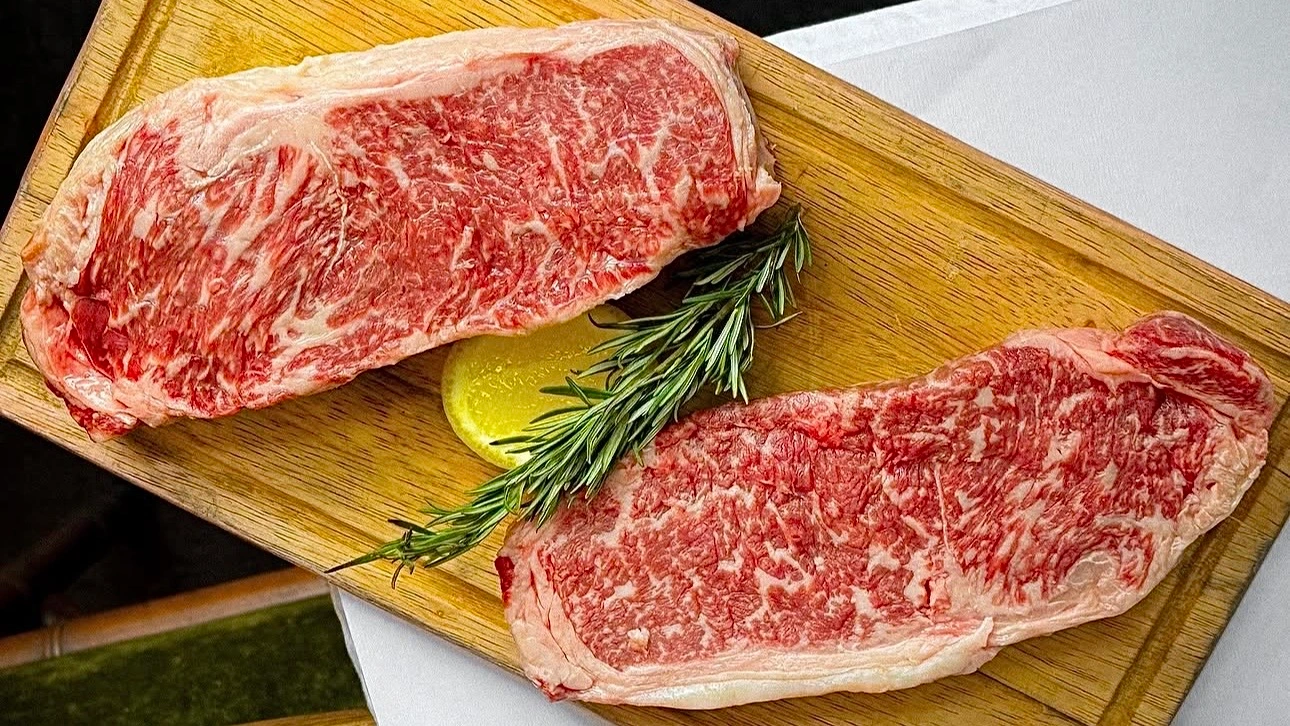
A5 Wagyu Steak: From Perfect Marbling to Rich Flavor
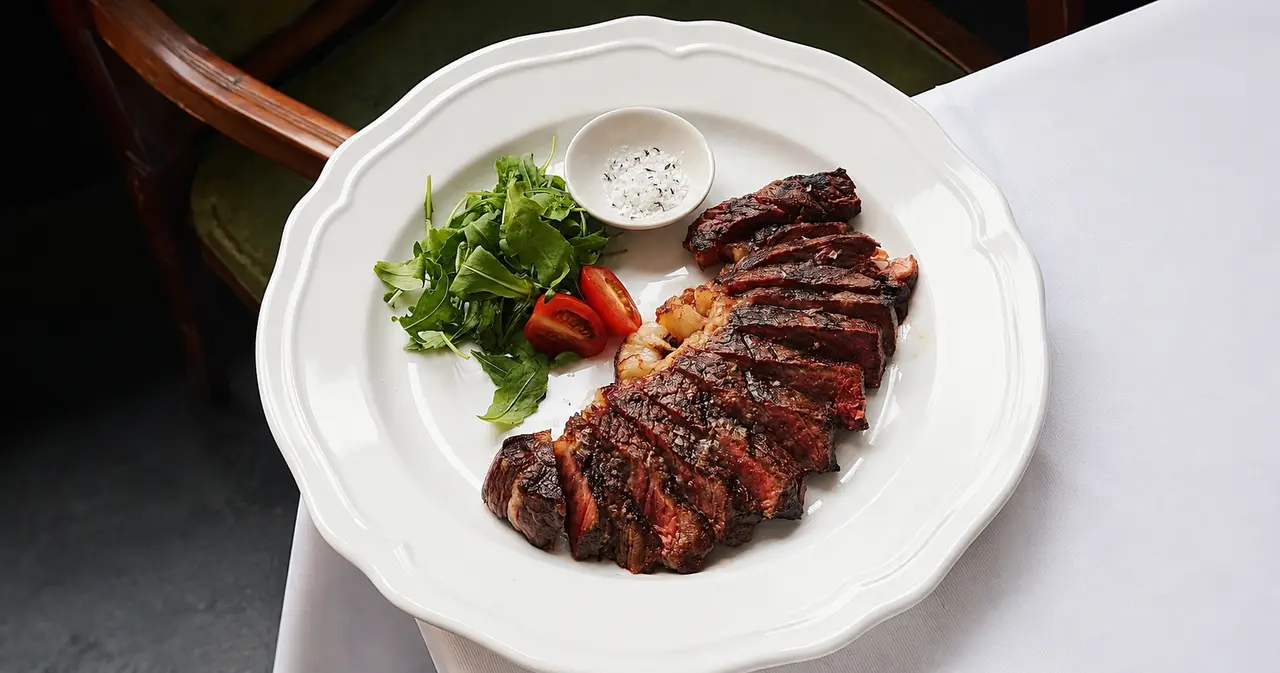
Discover Dry Aged: The Technique Behind Exceptional Steaks
What Is Rib Eye Steak?
Rib eye steak comes from the main back muscle of the cow, right along the rib section. This muscle runs the length of the spine and mainly protects the internal organs, so the cow rarely puts it to work. That is what keeps the meat naturally tender.
Butchers also know this cut as the outer loin, praised for its high fat content and the rich, buttery finish it leaves on the palate.
The combination of tender fiber and generous fat is exactly what steak lovers chase. Every bite feels smooth, and the savory juices linger well after the last cut.
Where Does Rib Eye Steak Come From?
Rib eye is cut from ribs 6 through 12, the section between the chuck (shoulder) and the loin, an area known for carrying more fat than most.
A single rib eye steak contains three separate muscles, each with its own texture and flavor.
• Eye of Ribeye (Longissimus Dorsi): the largest section of the cut, dense in texture, with marbling that melts slowly as the steak cooks.
• Rib Cap (Spinalis Dorsi): the muscle that wraps around the eye, carrying thicker marbling and a texture that stays soft and deeply satisfying.
• Complexus: a smaller muscle that does not always appear on every cut. Its texture runs slightly firmer than the rest of the rib eye.
Signs of a Top-Quality Rib Eye
A few details tell you whether the rib eye on your plate is worth its price. Watch for these signs from the moment you order to the last bite.
1. Check the Grade
Look for USDA Prime, Wagyu with a high marble score, or dry-aged on the menu. The grade tells you how much marbling to expect, and marbling is what drives the tenderness.
2. Melting Fat in Every Bite
A great rib eye releases a mix of fat and meat juices the moment you bite in. That balance, fat still holding through the meat, is what lets you enjoy the cut to its fullest.
3. A Savory Aroma
Cut into a well-cooked rib eye, and the aroma should hit you right away. That smell is a good sign the steak reached the right doneness.
The Secret Behind Rib Eye's Rich Flavor
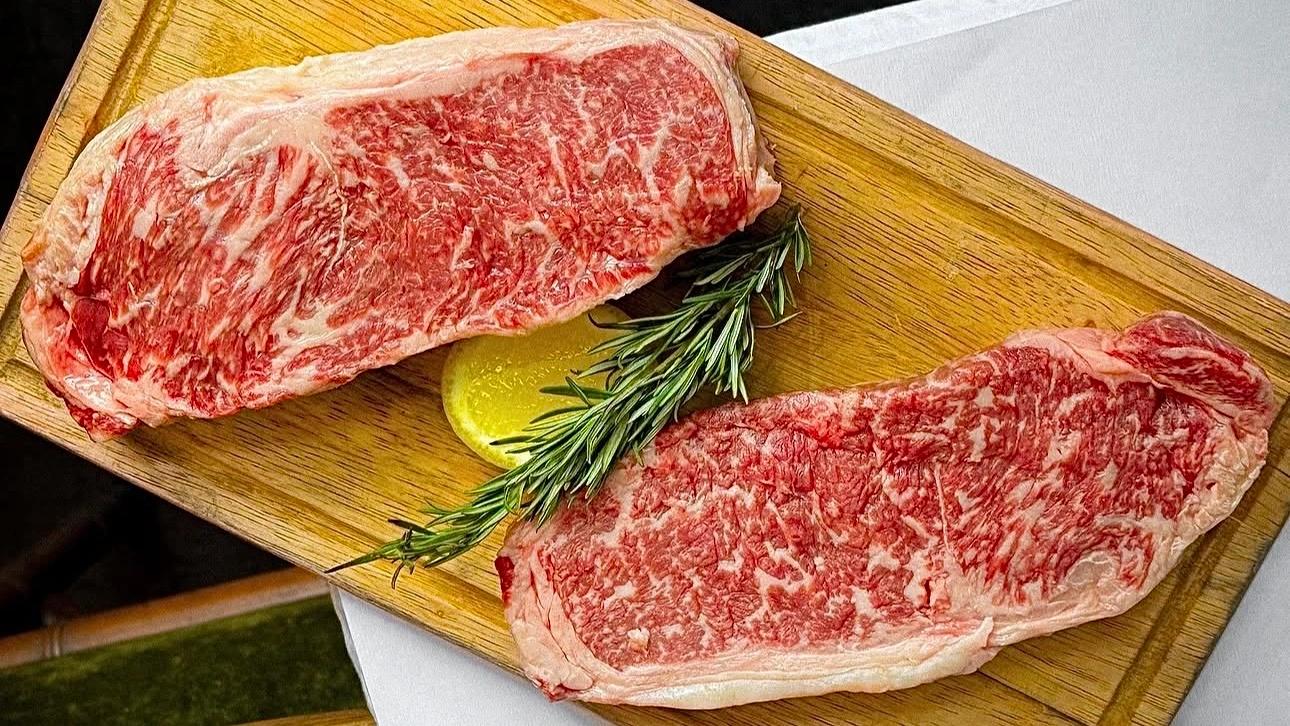
Marbling, the thin streaks of fat running through the meat, is what makes rib eye steak so good. Under high heat, that fat melts and coats every fiber, giving the steak its juicy texture and deep aroma.
The more evenly the marbling spreads, the more flavor, tenderness, and richness you get from every bite.
How to Enjoy Rib Eye Steak at Its Best
A few twists in having the rib eye will make a difference from having an average one. Try to enjoy your ribe eye steak in these ways below:
1. Order It Medium-Rare
At medium-rare, the fat has not fully rendered. Some of it melts through the meat while the rest releases with the juices as you bite in.
2. Cut Against the Grain
Slicing against the direction of the muscle fiber keeps every bite tender. Let the steak rest for a few minutes after it is served so the juices settle back in.
3. Savor the Crust
The browned crust on a well-seared rib eye comes from the Maillard reaction, and it is where a lot of the steak's flavor concentrates.
4. Pair It with Red Wine
A rib eye tastes even better with the right glass alongside it. A bold red wine, with enough structure to match the fat and richness of the meat, keeps every bite balanced on the palate.
Other Names for Rib Eye Steak Around the World
Rib eye goes by several names across the globe, though they all point to the same cut. The naming usually follows local culinary tradition.
Here are a few you will come across most often.
• Spencer Steak: a boneless rib eye known on the West Coast of the United States.
• Scotch Fillet: the common name for boneless rib eye in Australia and New Zealand.
• Entrecôte: the French name for rib eye steak, best known through classic bistro plates.
ALSO READ: What Is Sirloin Steak? Definition, Texture, and How to Enjoy It
Taste an Authentic Paris-Style Entrecôte at L'Entrecôte by Bouchon, Senopati
Ready to taste a rib eye steak with the kind of marbling every steak lover looks for?
The easiest way to guarantee that experience is choosing a steak house that holds every cut to a high standard.
At L'Entrecôte by Bouchon, rib eye takes center stage, served steak-frites style with bottomless fries in the warm, easygoing spirit of a Paris bistro.
Located on Senopati Street, No.79 in South Jakarta, the restaurant brings quality cuts and crisp, golden fries together in a setting that stays elegant without losing its warmth.
French classics served in an authentically Parisian mood make this an easy pick for lunch, dinner, or simply a craving for a well-made steak.
Reserve your table at L'Entrecôte by Bouchon, or visit directly at Jl. Senopati No.79, RT.8/RW.4, Selong, Kec. Kby. Baru, South Jakarta, 12110.