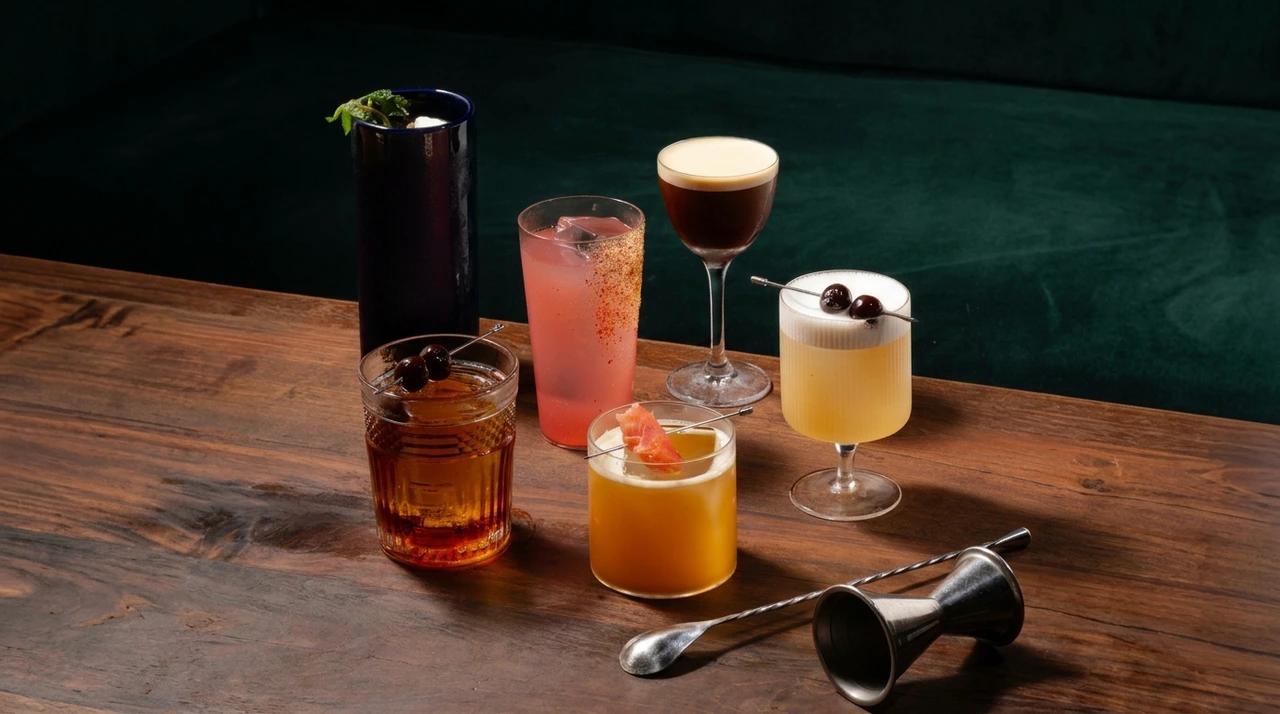
A cocktail typically contains around 12% ABV. In practice, however, cocktail alcohol content varies widely, ranging from 5% to 40% ABV. Each recipe uses different spirits, proportions, and chilling techniques.
Here is a closer look at the alcohol content of different cocktails.
ALSO READ: Understanding the Highball Cocktail and Its Unique Character
You may also like
The Cocktail Club Drinks: Explore a Variety of Favorite Cocktails
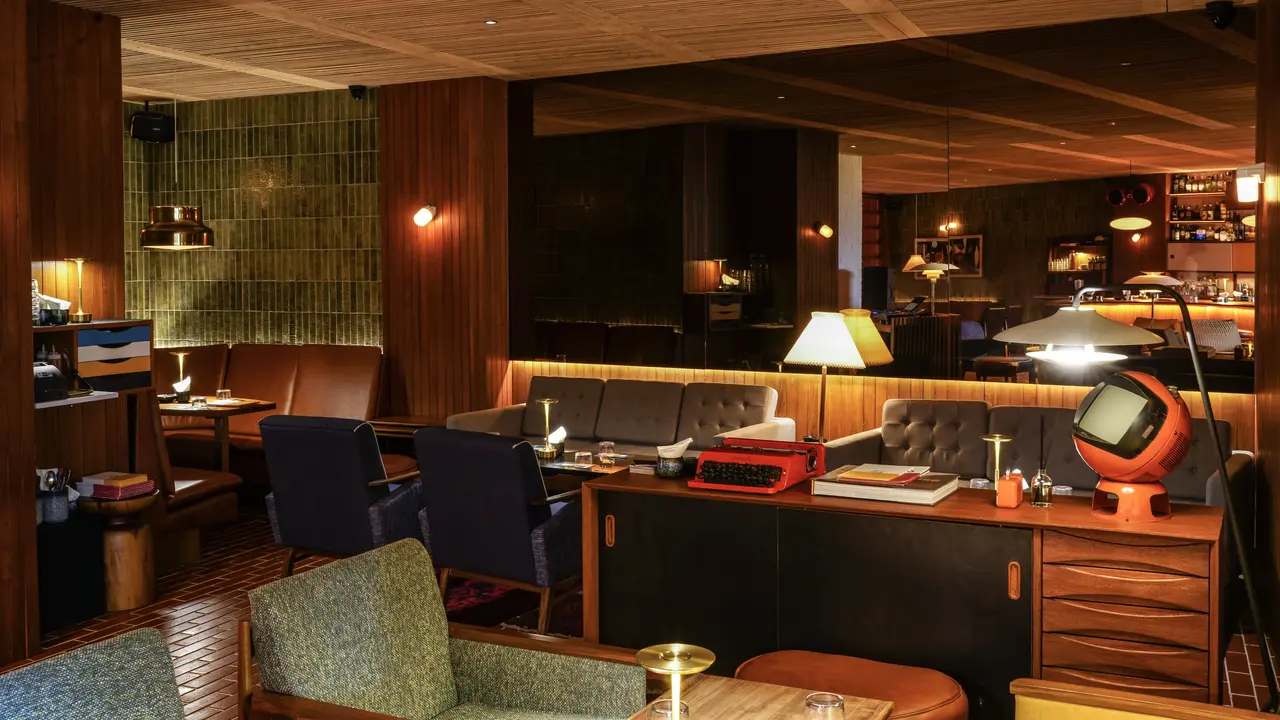
Cocktail Bars in Jakarta: A Guide to Enjoying Various Cocktails
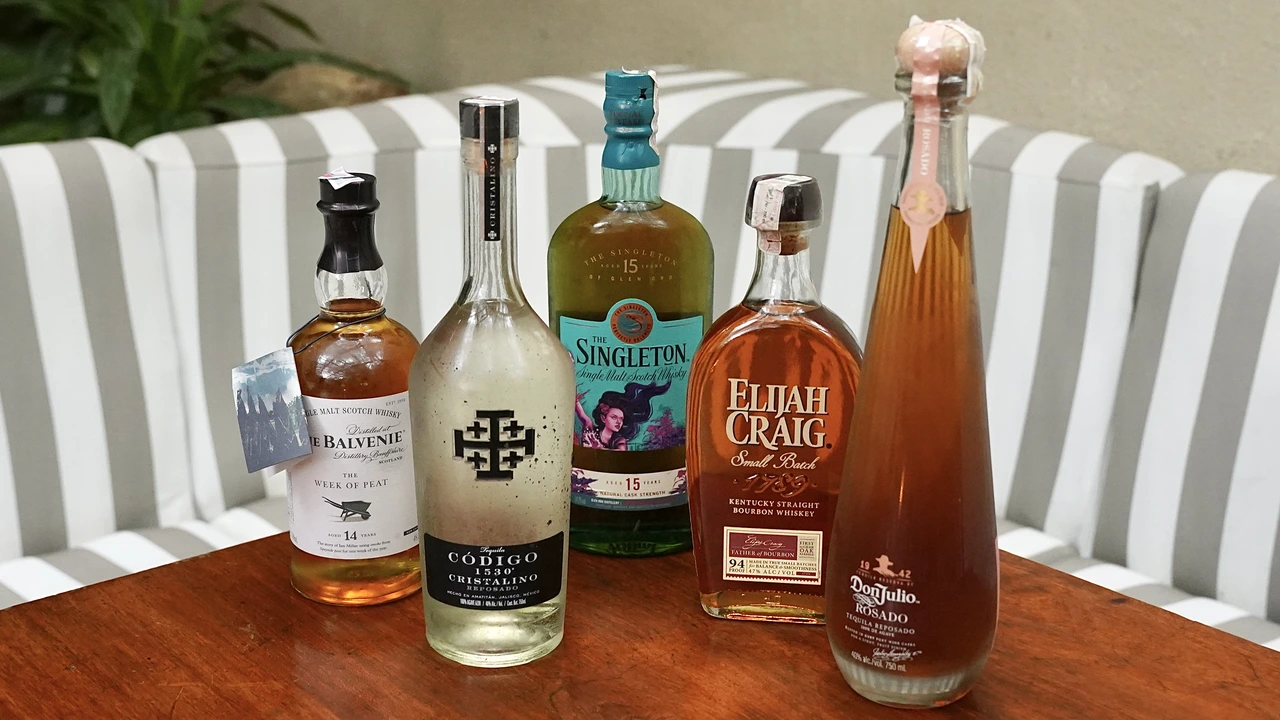
Whisky Selection: Whisky Tasting & Curated Menu at Cork&Screw
What Is Alcohol by Volume (ABV)?
Alcohol by Volume, or ABV, is the percentage of pure alcohol.
For example, 20% ABV means that 20% of the drink's volume is pure alcohol, while the rest consists of water, sugar, acid, or other flavoring ingredients.
For comparison, regular beer contains an average of 5% ABV, wine around 12% ABV, and spirits up to 40% ABV.
In the United States, bottle labels also use the term proof, which is always twice the ABV number.
Therefore, a bottle labeled 80 proof has the same alcohol content as 40% ABV. Cocktail ABV calculations are based on the numbers listed on each bottle.
Factors That Determine Cocktail Alcohol Content
The ABV in a cocktail does not appear out of nowhere. It is determined by three factors that work together:
1. Alcohol Content of the Base Ingredients
Every cocktail starts with the alcohol content of its ingredients. Spirits such as gin, vodka, rum, tequila, and whiskey typically contain around 40% ABV.
Fruit and herbal liqueurs generally have a lower ABV of 15% to 25%, while fortified wines such as vermouth contain around 15% to 20% ABV.
As a result, a cocktail made primarily with vermouth will be much lighter than one made with straight spirits.
2. Proportions in the Recipe
The ratio of ingredients in a glass has a major effect on the final ABV. The larger the proportion of straight spirits compared with other ingredients, the higher the alcohol content.
For example, a highball made with 30 mL of spirit and 120 mL of soda water brings the cocktail's ABV down significantly, into the single digits.
3. The Effect of Dilution from Ice
Ice does more than chill a cocktail. It also melts. Shaking or stirring a drink with ice adds roughly 40% melted water to the beverage's total volume.
This dilution softens the flavor and creates a more balanced, easy-to-drink cocktail. Drinking straight spirits, by contrast, delivers a much stronger flavor.
Cocktail Alcohol Content Categories, from Zero to Strong
Once the base ingredients, proportions, and ice dilution are combined, cocktails are grouped into five categories.
1. Alcohol-Free (0-0,05% ABV)
This category includes mocktails, virgin cocktails, and zero-proof recipes made with nonalcoholic spirit alternatives.
Although they contain little to no alcohol, these drinks still have complex, layered flavors. They are often made with homemade syrups, fresh fruit, and aromatic ingredients.
2. Ultra-Low (0,05-3% ABV)
Cocktails in this range use only a few dashes of bitters, kombucha, or de-alcoholized wine.
The small amount of alcohol primarily enhances the aroma, so its presence is barely noticeable on the palate.
3. Low Alcohol (3-8% ABV)
In this category, the amount of straight spirit is reduced and replaced with sherry or vermouth to preserve a full, rich flavor.
One popular example is Leaner Colada, which contains around 7,8% ABV.
4. Lower Alcohol (8-12% ABV)
This range is dominated by spritzes and shims, which are cocktails built around lighter alcoholic aperitifs.
A well-known example is the Aperol Spritz, which contains approximately 9,7% ABV.
5. Standard and Spirit-Forward Cocktails (Above 12% ABV)
The highest category includes classic cocktails served without soda water or fruit juice mixers.
Martinis and Manhattans exceed 20% ABV. Negronis and Old Fashioneds typically contain around 20% to 30% ABV, even after dilution from melted ice.
How to Calculate Cocktail Alcohol Content Yourself
This calculation is only an estimate. Recipes vary from bar to bar, and ice never melts at exactly the same rate.
Even so, it is accurate enough to give you an idea of how strong the drink you order may be.
· Note the volume and ABV of each alcoholic ingredient. For example, 40 mL of gin at 40% ABV and 10 mL of vermouth at 18% ABV.
· Multiply the volume by the ABV of each ingredient. The results are 40 × 0,40 = 16 and 10 × 0,18 = 1,8.
· Add the results together: 16 + 1,8 = 17,8.
· Calculate the drink's total volume after dilution. Add the nonalcoholic ingredients and an estimate of the melted ice. In this example, the total drink volume is 100 mL.
· Divide the total volume of pure alcohol by the drink's total volume, then multiply by 100. The calculation is 17,8 ÷ 100 × 100, resulting in approximately 17,8% ABV.
Alcohol Content of Popular Cocktails
In the United States, one standard drink is equivalent to 44 mL (1,5 fl oz) of 40% ABV spirits, 148 mL (5 fl oz) of wine, or 355 mL (12 fl oz) of beer.
This means that one Martini contains 2-3 standard drinks, while one Spritz contains less than one standard drink.
Here is the approximate alcohol content of several popular cocktails:
· Mai Tai around 18% ABV
· Rum and Coke around 13% ABV
· Aperol Spritz around 10% ABV
· Margarita and Daiquiri around 15-20% ABV
· Martini and Manhattan 25% ABV or higher
ModernHaus Signature Blends
At ModernHaus, we measure every ingredient precisely to keep the ABV consistent. Our cocktail menu follows the anatomy of plants, with categories inspired by roots, fruits, leaves, and flowers.
Two of our signature cocktails that represent this concept are:
· Turmeric (Root Category): A combination of turmeric gin, coconut chai milk, cream, salted tamarind, and lemon soda.
· Betel (Leaf Category): A combination of betel leaf rum, coconut water, umeshu, and Cocchi Bianco.
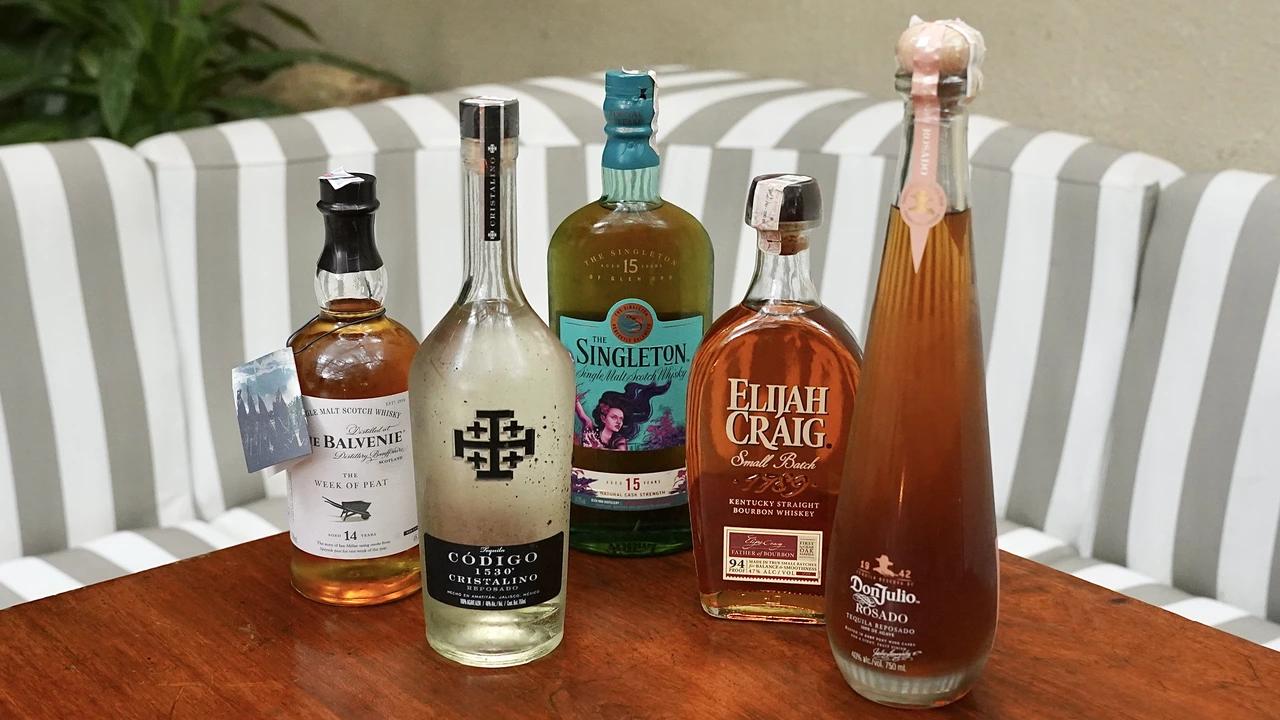
Several of our cocktails are also built on ModernHaus Blend, our signature whiskey blend combining Bourbon Whiskey, Japanese Whiskey, and Islay Single Malt Scotch Whiskey.
Since our whiskey blend is rich and complex, we use precise and efficient spirit measurements in every recipe. The blend is also rested for 40 days in bourbon barrels at our warehouse.
· Aroma: Opens with the freshness of peppermint, pine, and fresh grass, followed by notes of cucumber and melon.
· Palate: The herbal freshness develops into mint with a hint of orange peel.
· Finish: A subtle smoky note lingers on the palate.
ALSO READ: Exploring the World of Cocktails: From Meaning to Popular Types
Explore ModernHaus Signature Cocktails and Whiskey Blends!
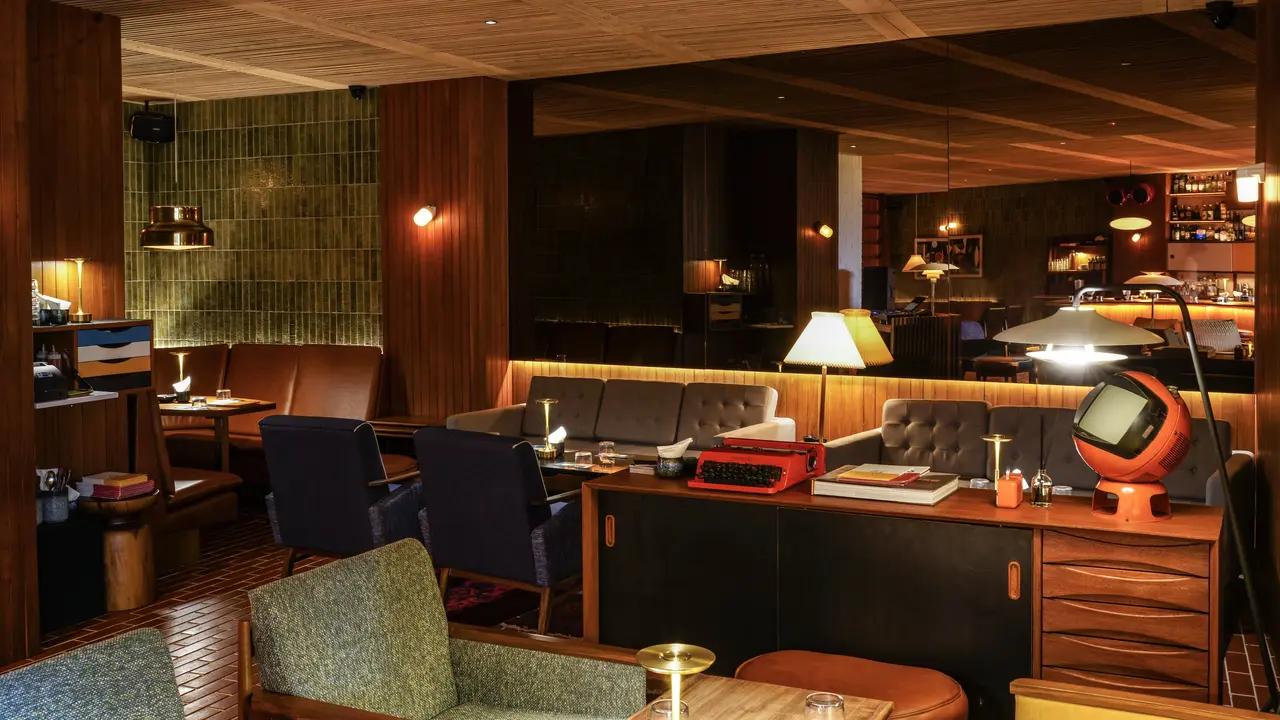
ModernHaus offers a mid-century modern atmosphere at Jl. Senopati No. 79, Jakarta Selatan. Here, you can enjoy unique botanical creations such as Pohpohan, Melati, Purple Yam, and other exclusive cocktails.
Visit with your friends or partner to try ModernHaus signature cocktails.
Make a reservation at ModernHaus!