The word charcuterie comes from French and originally referred to a pork butcher shop. Over time, it grew into a style of serving cured meats and accompaniments. That history still shapes the modern board today.
Basically, cheese and charcuterie are meant to be enjoyed, shared, and paired with ease. So, what is a cheese platter? What is a charcuterie and cheese board? What are the ingredients? Here are the details!
ALSO READ: Paris on a Plate: Savoring French Culinary Delights
You may also like
Italian Cocktails: Explore Classic Cocktails Loved Around the World
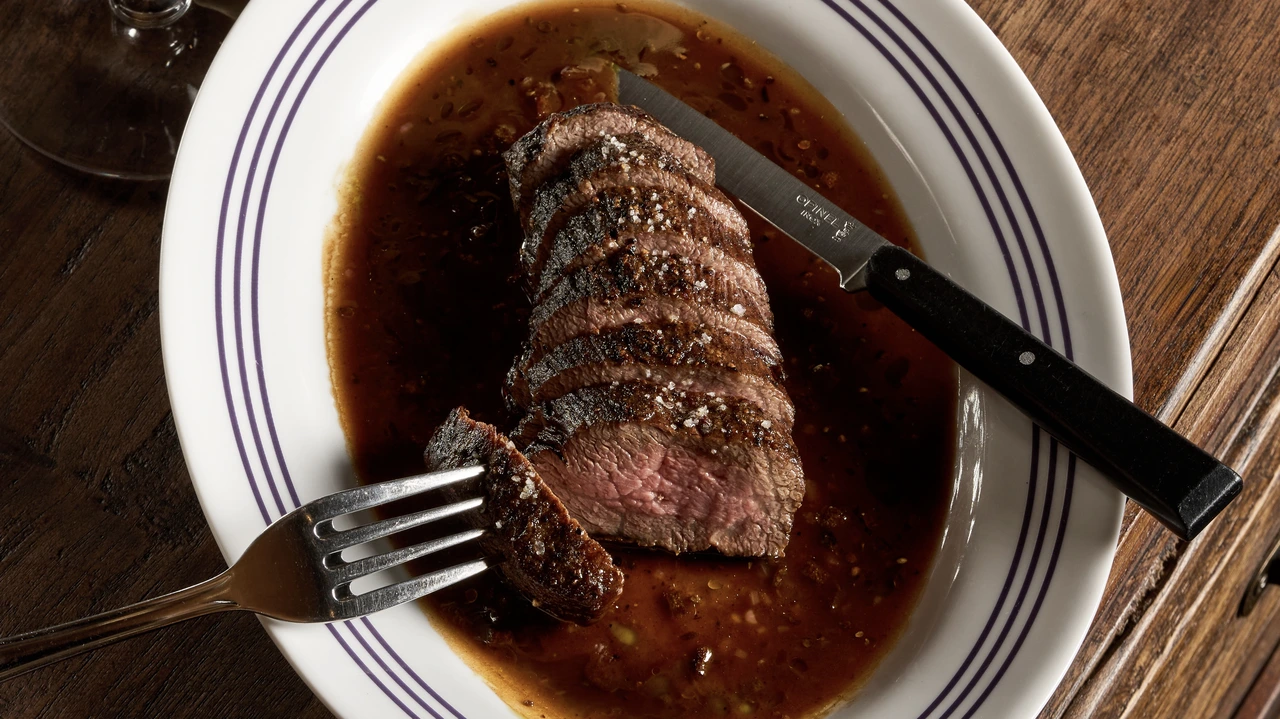
Food Menu in Pierre: Explore Dishes for Every Taste
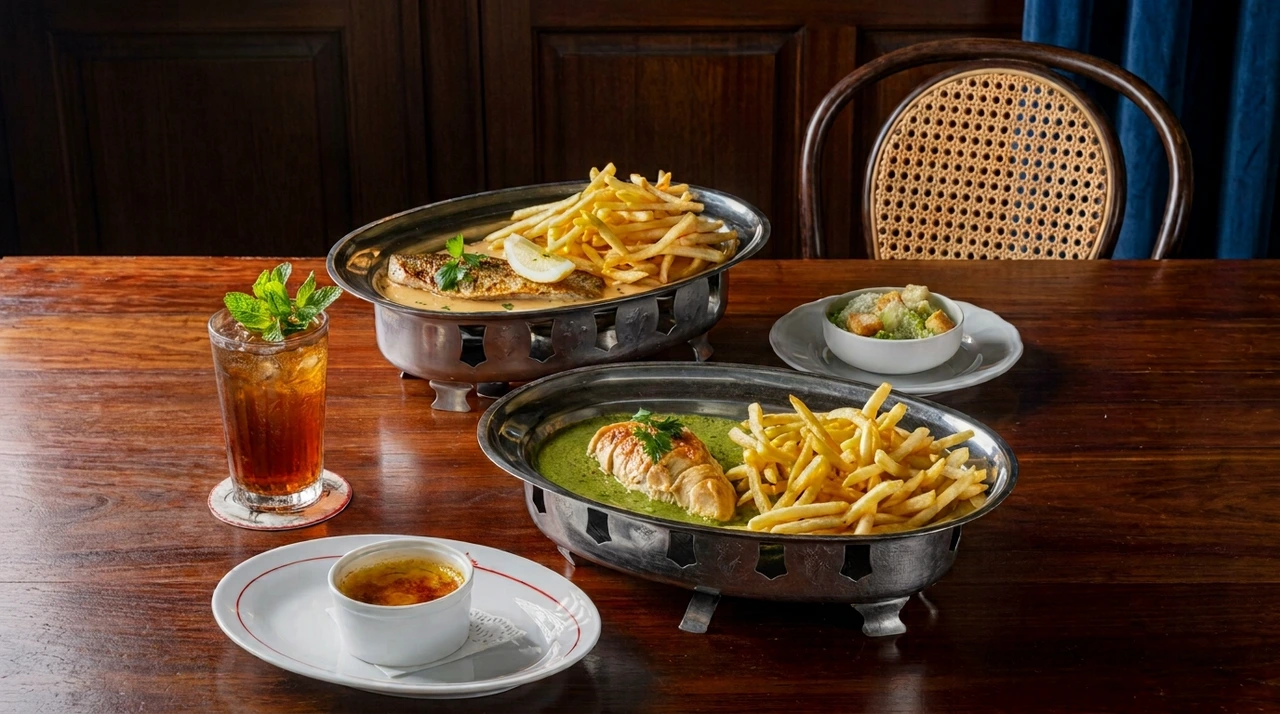
L'entrecote by Bouchon Set Lunch Menu: A Dining Experience
What Is a Cheese Platter
A cheese platter is a board, plate, or serving surface centered on cheese.
Most good cheese platters include three to five cheeses. That number gives enough range. A smaller board can focus on three cheeses. A larger one can move to four or five. Once you go much further, the flavors can begin to blur together.
Variety matters. A platter usually mixes ages, textures, and intensities. One soft cheese, one aged cheese, one goat cheese, and one blue cheese. Then you add pairings, such as honey, dried fruit, fresh fruit, nuts, olives, jam, mustard, baguette, and crackers.
Temperature matters too. Cheese tastes better at room temperature. If you take it out of the refrigerator about 30 minutes before serving, the aroma and flavor will be more noticeable.
What Is a Charcuterie Cheese Board
A charcuterie cheese board combines cured meats and cheese. Meat usually adds salt, fat, and savory depth. Depending on the selection, the cheese adds creaminess, nuttiness, funk, or freshness.
The difference between a cheese board and a charcuterie board is simple. A cheese board centers on cheese. A charcuterie board centers on cured meats. When both are tasted together, the meal is even better, with more diverse textures and flavors.
Charcuterie usually includes meats, such as prosciutto, salami, ham, rillette, or sausage. Cheese is the best part of the meal, though there are many other dishes. Bread or crackers are good with it, and pickles, cornichons, mustard, jam, fruit, and nuts make it even better.
For each bite, have a piece of cheese or meat, one accompaniment, and one vessel. That could mean Comté cheese with fig jam on a baguette. It could also mean Serrano ham wrapped around a piece of Brie. Three elements are enough to create a complete bite.
Main Ingredients of Charcuterie and Cheese Boards
A board usually starts with anchors. Cheese wedges, slices, or piles of cured meat create the visual structure first. Then the supporting ingredients fill the spaces.
The main categories are cheese, cured meats, bread, crackers, fruit, condiments, nuts, and olives.
You do not need every possible item. You need enough to create contrast and flow. Three to five cheeses, two to three meats, one or two condiments, one fresh fruit, one salty accent, and a bread element.
How to Style a Board
Start with the largest items. So, place bowls, jars, and ramekins for items, such as honey, jam, olives, and pickles first. Then, add the cheese. Spread the cheeses across the board so that each one has its own space. Then, place the meats nearby, either folded, layered, or gently rolled.
After that, add fruit, nuts, and bread. Fill in the spaces to make the board look abundant. Then, group similar foods. For example, put Brie near honeycomb. Lastly, place Comté near dried apricots.
Keep it clean and edible. Do not drizzle jam directly onto the board. Do not add inedible decorations. If possible, use small serving tools.
Pierre's French-Style Cheese and Charcuterie Board
Here is Pierre's cheese and charcuterie menu you can enjoy.
1. Charcuterie Platter
Pierre brings a distinctly French perspective to the Charcuterie Platter, featuring foie gras and chicken liver parfait, Serrano ham, duck and salmon rillette, cornichons, lentils, and a baguette.
The menu is rich, savory, and layered, with pickled elements and bread. You can also ask the server about taking the charcuterie home, adding a practical touch to the experience.
2. Cheese Platter
The Cheese Platter includes classic selections, such as Brie de Meaux, Comté, and Camembert, served with honeycomb, dried apricot, fig jam, and baguette.
The flavors transition smoothly from creamy to nutty, and the accompaniments add sweetness and texture. The dish is classic, well-curated, and true to a French table.
ALSO READ: Italian Pasta Dishes Up Close: Stories Behind Every Flavor
Enjoy an Intimate Meal at Pierre, Senopati, Jakarta Selatan!
A cheese and charcuterie board is best when it is full of flavor. That is what a good board does. It encourages conversation, makes the first course easy, and turns small appetizers into a memorable part of the meal.
To enjoy that experience, you can come to Pierre, a contemporary French fine-dining restaurant in Senopati, Jakarta Selatan.
Pierre is a great place to get away from the hustle and bustle. We have got a cozy vibe and served up some tasty French dishes.
Chef Brandon, who has worked in Michelin-starred kitchens, is leading the menu, which mixes classic techniques with rustic, seasonal flavors. It feels like dining at a French home—warm, authentic, and memorable.
Visit Pierre to try a cheese or a charcuterie platter!