If you love croissants or brioche, you probably just think of them as pastries. But did you know both are more accurately known as viennoiserie?
Viennoiserie is a pastry with a texture and flavor that sits between bread and cake, making it a favorite for winding down after a meal or for an afternoon snack with tea or coffee.
For pastry lovers, it is worth getting to know the different pastry categories a little better, viennoiserie included. This article covers the definition, how it differs from other pastry terms, its origin, popular types, and marks of quality.
ALSO READ: Cheese & Charcuterie: An Elegant French-Inspired Experience
You may also like

Soufflé: A Timeless French Classic with a Delicate Texture
UNION's 15th Anniversary: A Month of Special Menus & Celebrations
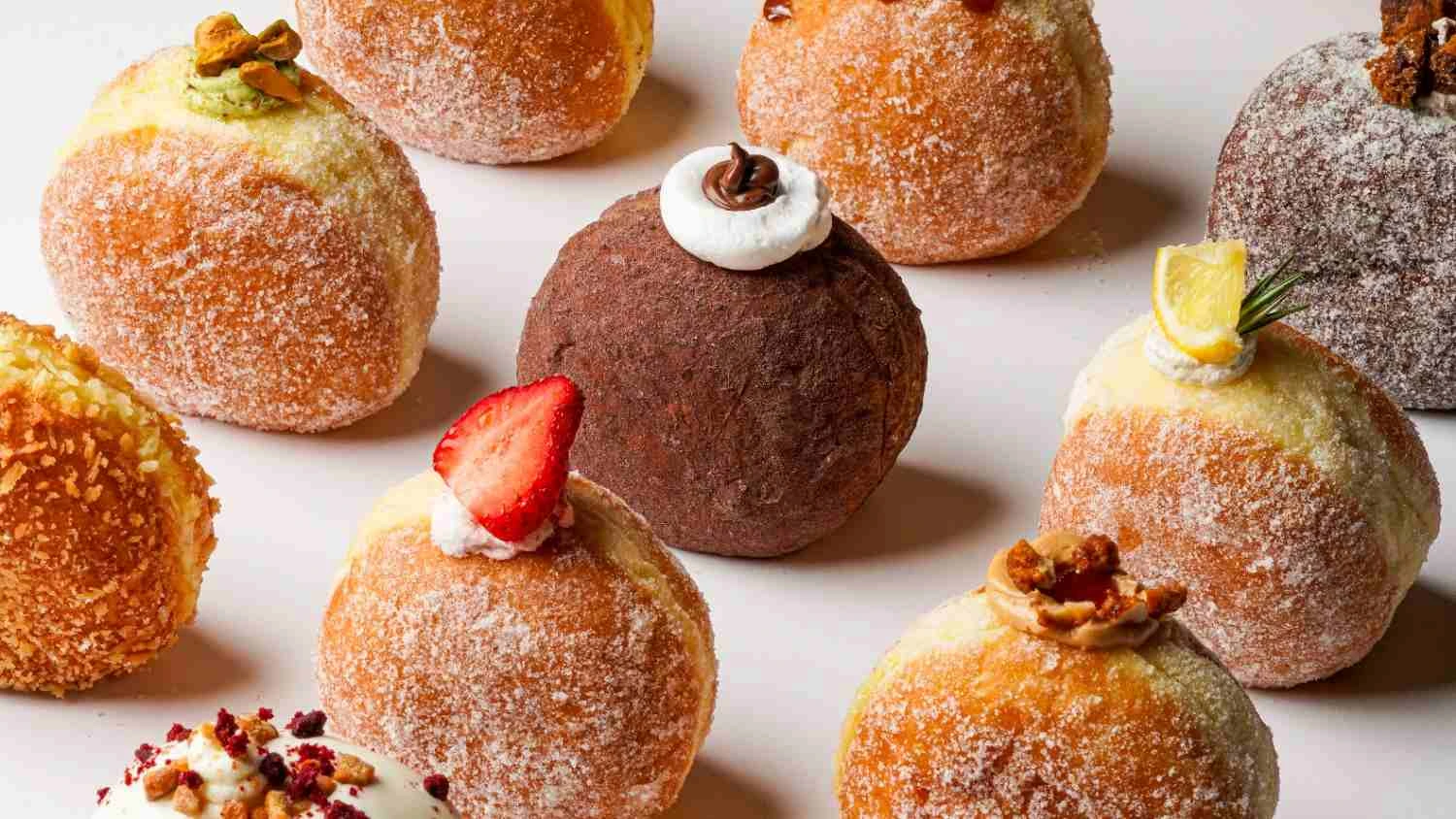
The Sweet Types of Donuts: Exploring Every Flavor and Texture
What Is Viennoiserie?
Viennoiserie is a category of pastry made from yeasted dough, laminated with layer after layer of butter. Those layers create an airy crumb and a crisp bite, light yet full of depth.
Before it took off in Paris, viennoiserie actually started in Vienna. From the very beginning, this pastry stood out for its rich buttery flavor, a subtle yeasty aroma, and softness in every bite.
Repeated folding and proofing is what puts viennoiserie in its own category. The technique keeps the butter and dough deliberately separate, so each layer stays clearly visible once the pastry is cut open.
The Origin of Viennoiserie
The roots of viennoiserie trace back to an Austrian boulangerie, brought to Paris by August Zang in the 19th century.
From there, the shop Boulangerie Viennoise opened and introduced Parisians to the kipferl, a crescent-shaped bread that became the forerunner of the modern croissant.
French pastry chefs reworked the recipe with lamination techniques, giving the pastry its signature buttery, layered, crisp finish.
From that point on, viennoiserie kept gaining popularity across France and slowly became part of the French breakfast identity, served at restaurants of every scale.
Popular Types of Viennoiserie
What is viennoiserie in a bakery? Here are types of viennoiserie you can surely have at your favorite bakery:
1. Croissant
Croissant is the most popular type of viennoiserie, shaped like a crescent moon with crisp layers and a strong buttery aroma in every bite. Its signature crescent shape has made the croissant a symbol of the French breakfast worldwide.
2. Pain au Chocolat
Pain au chocolat uses the same dough as a croissant, filled with a chocolate bar at its center, perfect for anyone with a sweet tooth. Crisp layers and melted chocolate make it a favorite alongside morning coffee.
3. Brioche
Brioche has a denser texture and a sweeter flavor, since its dough contains more eggs and butter than croissant dough. Rather than eating it plain, brioche is more often turned into French toast or a premium burger bun.
Marks of a Perfect Viennoiserie
Quality determines how well you enjoy this famously buttery, crisp pastry. An authentic viennoiserie always shows these traits:
• A buttery aroma that hits you the moment the pastry is cut
• A visible, airy crumb once it is pulled apart
• A perfectly baked exterior with a soft interior, thanks to baking at 190 to 200 degrees Celsius
• A crisp exterior that never turns hard when you bite in
• Proper proofing, so the pastry's tang stays mild and natural
How Viennoiserie Differs from Other Pastry Types
Viennoiserie, patisserie, boulangerie, and puff pastry can look fairly similar. In reality, each uses distinct raw materials and techniques.
These terms often get mixed up, though each points to a distinct category in French pastry. Here is the difference, so you get it right.
1. Viennoiserie vs Patisserie
Patisserie covers every kind of cake and dessert, such as tarts, mousse, and eclairs, most of which skip any long fermentation process. Viennoiserie, meanwhile, is all about building those iconic layers.
2. Viennoiserie vs Boulangerie
Sliced bread and baguettes are everyday examples of boulangerie. The production process is different too, with no layered butter lamination involved.
3. Viennoiserie vs Puff Pastry
Puff pastry is laminated as well, but its dough contains no yeast. That gives it a crisper, thinner texture, unlike viennoiserie, which stays soft inside thanks to fermentation.
ALSO READ: Types of Croissants: Exploring the Classic French Pastry
Craving Authentic Viennoiserie? Find It at KNOTS in Kemang and Senopati
That wraps up what viennoiserie is and how it differs from every other type of pastry.
Viennoiserie stands out for its buttery layers, crisp on the outside and soft on the inside, and you can experience that best right at KNOTS Kemang and Senopati.
Backed by proven technique and the creativity of KNOTS' pastry chefs, every viennoiserie on the menu delivers a flavor true to authentic French pastry.
Reserve your table at KNOTS today for the best possible experience, or drop by one of our two locations at
KNOTS Kemang, Kemang Timur Street, No.46A, Jakarta 12730 or KNOTS Senopati, Senopati Street, No.79, Selong, Kby. Baru, Jakarta, 12110.