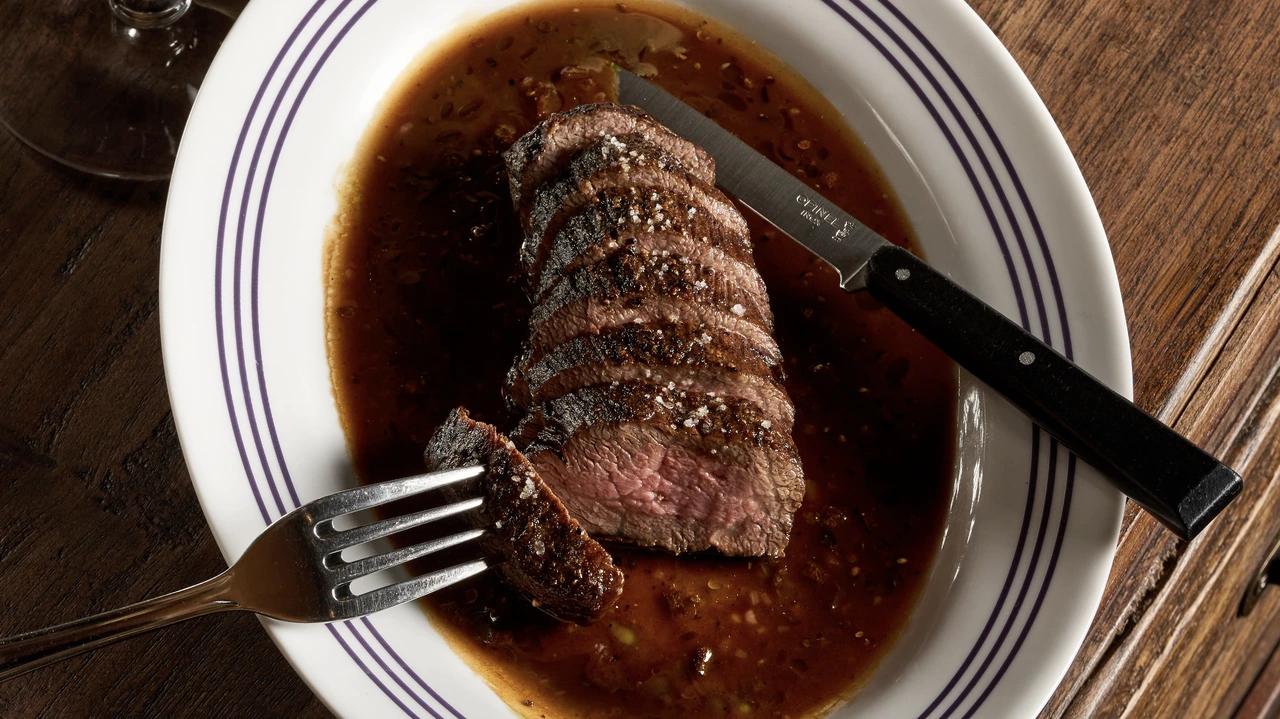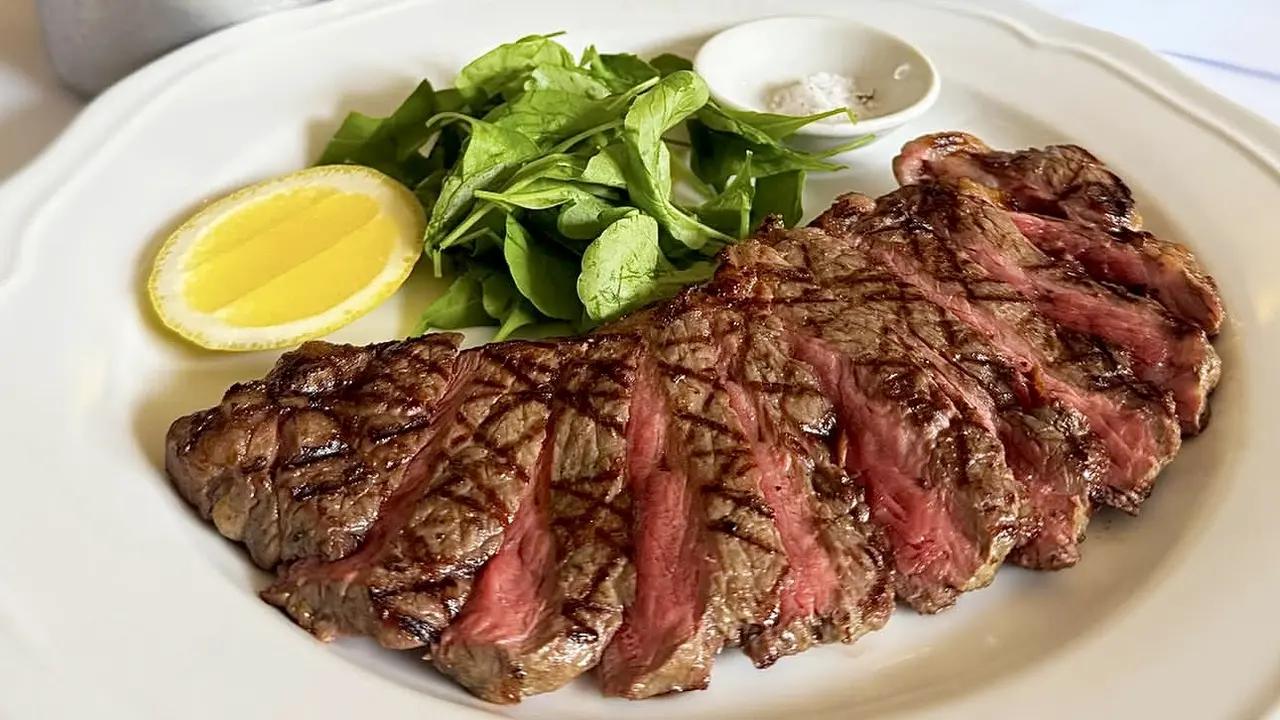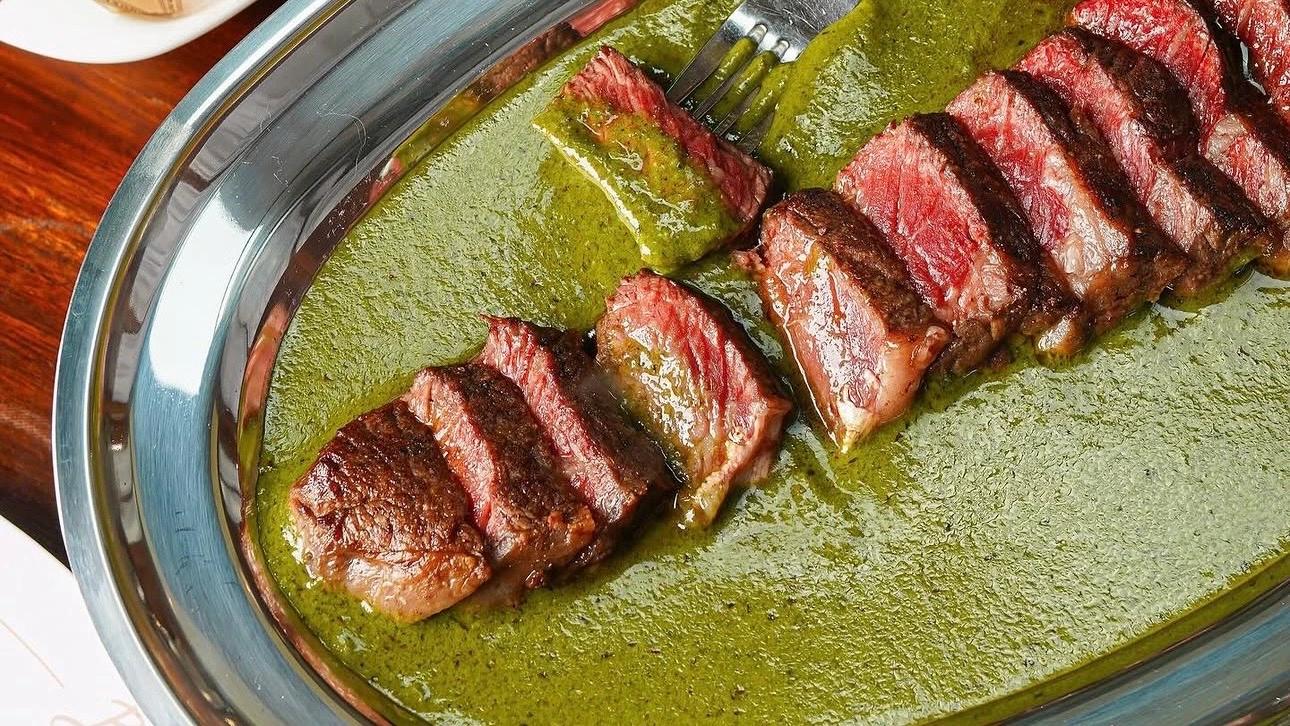

Steak frites is a French dish of steak served with a pile of crisp fries. The name translates directly to "steak and fries."
It is a staple of Paris bistros. A good cut of beef pairs with golden potatoes and a rich sauce. The dish looks simple, but each part is prepared with care.
This guide explains what steak frites is, where it comes from, and why it's so loved.
ALSO READ: Steakhouse in Jakarta: A Journey of Flavor and Craftsmanship
You may also like
Food Menu in Pierre: Explore Dishes for Every Taste
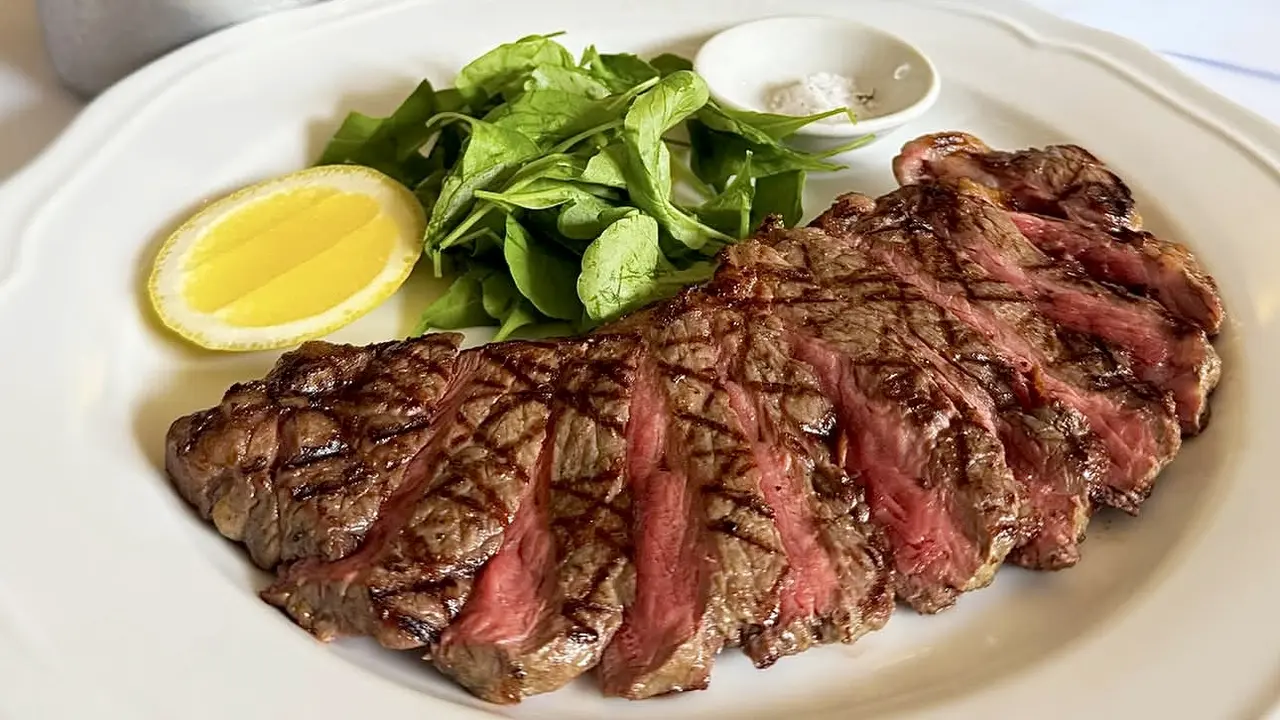
Westholme Wagyu Steak at Bistecca: Menu & Reservation
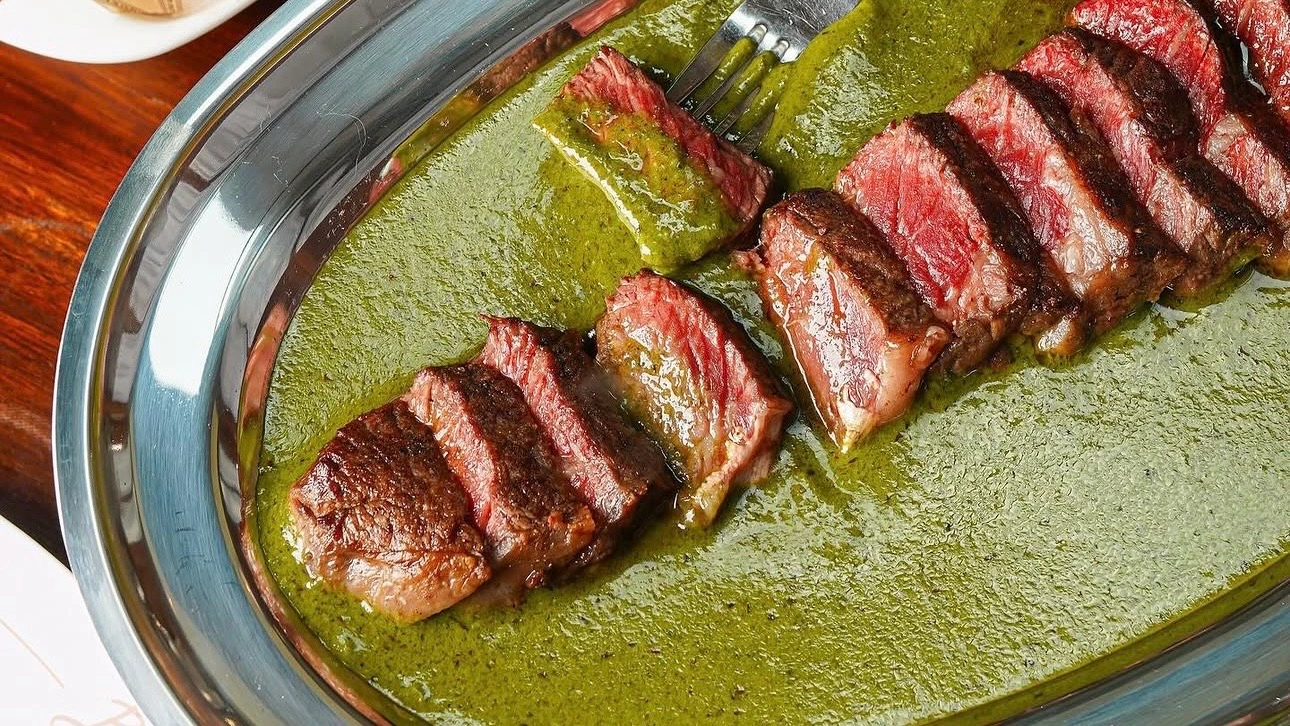
Black Angus Steak: The Secret Behind Its Signature Quality
What Is Steak Frites?
Steak frites is a plate of seared steak paired with French fries. The beef is cooked to your chosen doneness and rested before serving. The fries sit alongside, crisp on the outside and soft inside.
A sauce or a pat of herb butter often finishes the plate. The sauce ties the beef and potatoes together in every bite. Since the recipe is short, the quality of each element matters.
You will find steak frites in bistros and brasseries far beyond France. It appears on menus in Belgium, across Europe, and around the world. The dish stays popular because it feels both familiar and satisfying.
The Origins of Steak Frites
Steak frites grew out of the everyday bistro culture of France and Belgium. It became a house classic because the ingredients were affordable and filling. Cooks paired a quick-seared steak with fries and served it quickly.
In France, the dish is often made with a cut called entrecôte. Entrecôte comes from the rib section and is close to an American rib-eye. Its marbling gives the steak a rich, beefy flavor.
Over time, steak frites spread far past its bistro roots. Travelers tasted it in small cafes and brought the idea home. Today it stands as one of the most recognized French comfort dishes.
What Makes Steak Frites Special
The appeal of steak frites comes from how its few parts work together. Each element has a clear job on the plate. The following details separate a great version from an average one.
1. The Cut of Beef
The steak is the heart of the dish. Entrecôte or rib-eye is the classic choice because of its marbling. The fat melts during cooking, keeping the meat juicy. A good sear builds a brown crust that adds deep flavor.
Some kitchens also offer other cuts for variety. Black Angus and Wagyu rib-eye bring their own richness. The cut you pick shapes the texture and taste of the meal.
2. The Frites
The fries are not an afterthought in steak frites. Good frites use high-starch potatoes like russets. Cooks often soak the cut potatoes in cold water to remove extra starch.
The best frites are fried twice for the right texture. The first fry cooks the inside until soft. The second fry at higher heat turns the outside golden and crisp. The result is a fry fluffy on the inside and crunchy on the outside.
3. The Sauce
A sauce or butter lifts the whole plate. Many versions use a compound herb butter with garlic and fresh herbs. Others use a house special sauce, a peppercorn sauce, or a classic béarnaise.
The sauce adds moisture and a layer of flavor to the beef. It also gives the fries something to soak up. This is why the sauce is a key part, not just a topping.
How Steak Frites Is Made
Making steak frites follows a clear order so each part is hot and fresh. Home cooks and restaurant kitchens use similar steps. Here is how the process usually works:
1. Cut high-starch potatoes into even sticks, then soak them in cold water.
2. Dry the potatoes well so they crisp instead of steaming.
3. Fry the potatoes once at a lower heat to cook the inside.
4. Rest the fries, then fry them again at a higher heat until golden.
5. Season the steak with salt and pepper on both sides.
6. Sear the steak in a hot, heavy pan to build a brown crust.
7. Baste the steak with herb butter for extra flavor near the end.
8. Rest the steak for about five minutes before slicing.
9. Plate the steak and frites together with the sauce.
Timing matters throughout these steps. The steak and fries should reach the plate together. A short rest keeps the steak juicy while the fries stay crisp.
Choosing Your Steak Frites Doneness
Doneness decides how the steak looks and feels inside. You can order steak frites cooked to your preference. Here is a simple guide to common levels:
• Rare: It has a cool, red center and a soft texture.
• Medium Rare: It has a warm, red center and stays juicy.
• Medium: Has a pink center with a firmer bite.
• Medium Well: Has just a hint of pink.
• Well Done: Has no pink and a firm texture.
Many cooks pull the steak a little early because the heat keeps rising. The temperature climbs about five degrees while the steak rests. Medium rare is a common choice for a rich cut like rib eye.
ALSO READ: Steak Doneness: A Journey of Flavor in a Single Cut
Discover Signature Steak Frites with Unlimited Fries at L'Entrecôte by Bouchon
Knowing what separates a great cut, a proper frite, and a well-made sauce only makes the first bite more satisfying.
L'Entrecôte by Bouchon brings all three together as a Parisian steak-frites specialist, anchored by its signature house sauce and unlimited French fries.
There is no need to choose your doneness and hold back on the fries. Both arrive exactly as a Paris bistro intended. Visit L'Entrecôte by Bouchon at Senopati and reserve your table today to try it for yourself.