
A Vesper cocktail is a mix of gin, vodka, and Lillet aperitif, served very cold with a lemon peel.
The recipe first appeared in Ian Fleming's 1953 novel Casino Royale, where James Bond himself dictates the measurements to a bartender.
It uses two base spirits instead of one, so it drinks stronger and drier than a standard martini.
ALSO READ: What Is Liqueur? Exploring the Flavors of Cocktails
You may also like
The Cocktail Club Drinks: Explore a Variety of Favorite Cocktails
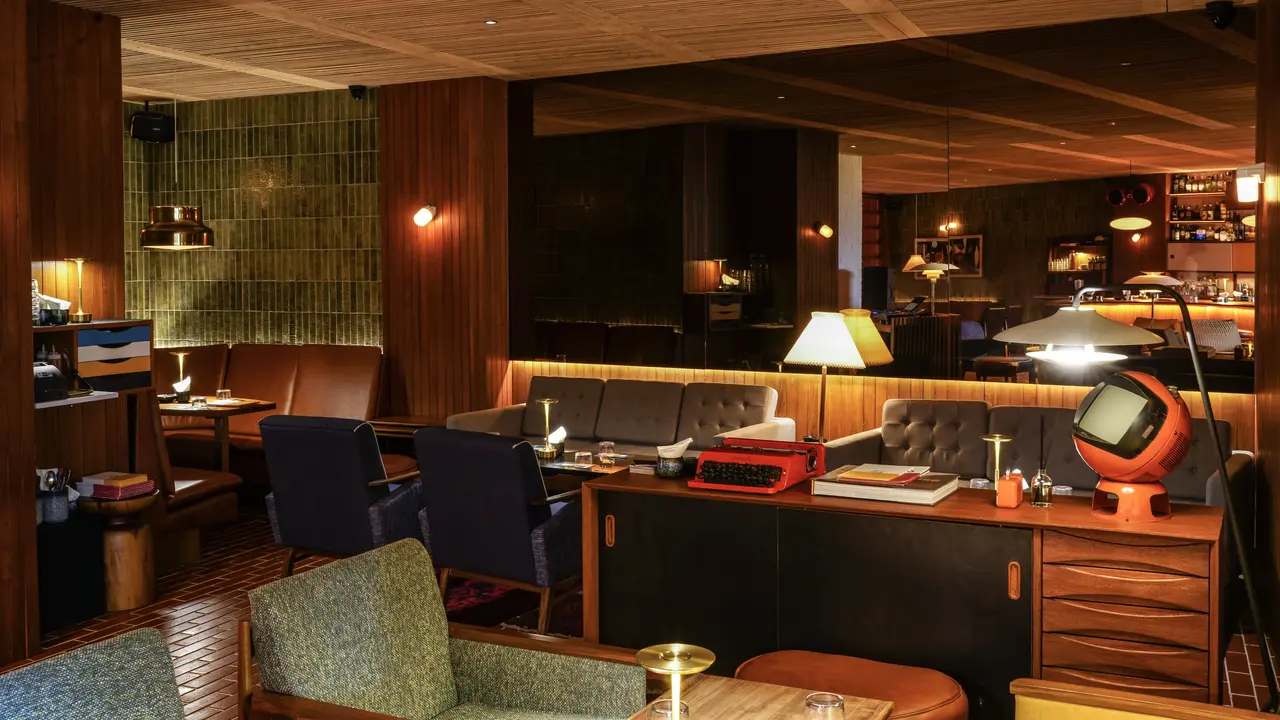
Cocktail Bars in Jakarta: A Guide to Enjoying Various Cocktails
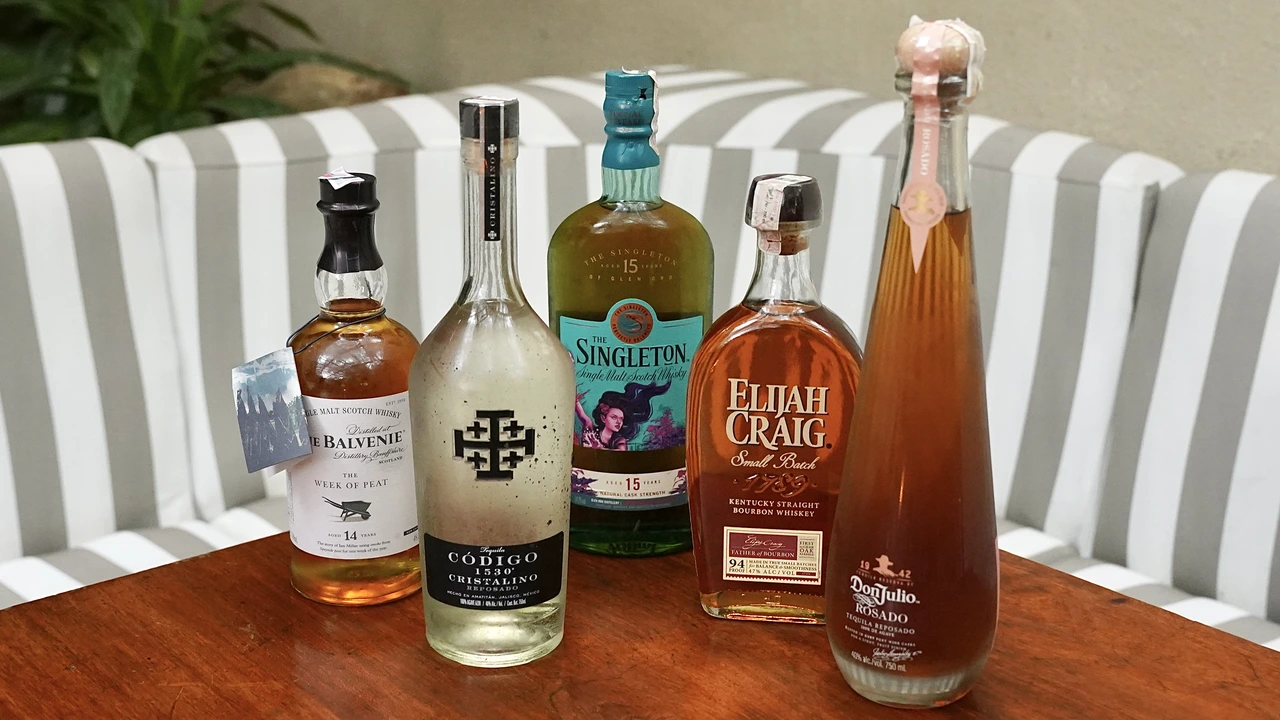
Whisky Selection: Whisky Tasting & Curated Menu at Cork&Screw
Where the Vesper Cocktail Came From
Three details explain why the measurements and the name still sound unusual.
1. The Recipe in Casino Royale
Bond orders a dry martini in a deep champagne goblet, then supplies his own specs.
He asks for three parts Gordon's gin, one part vodka, and half a part Kina Lillet, shaken until ice cold and finished with a large, thin slice of lemon peel.
2. The Name from Vesper Lynd
The drink stays unnamed until Bond meets Vesper Lynd, the double agent at the center of the plot. Fleming took the idea from a butler's joke about "vespers", the evening service held around sunset.
The full recipe was not spoken on screen until the 2006 film adaptation.
3. The First Person to Mix One
Fleming did not mix the original. In the autobiography of Ivar Bryce, a close friend of the author, Bryce records the inscription Fleming wrote in his copy of Casino Royale, crediting Bryce with mixing the first Vesper.
Vesper Cocktail Ingredients and How They Changed
The written recipe survived intact, yet all three ingredients differ from their 1953 versions. Those differences land directly in your glass.
1. London Dry Gin
Fleming named Gordon's, bottled at 47.3% ABV at the time. Today's standard sits at 40% ABV, so the juniper reads softer once vodka and ice enter the mix.
Choose a London dry gin between 47 and 50% ABV if you want the botanicals to stay audible.
2. Vodka
Vodka takes the edge off the gin while adding alcoholic weight. Vodka in the 1950s was also frequently bottled at 50% ABV, well above the 40% that became standard later.
3. Kina Lillet and Its Substitutes
Kina Lillet is no longer produced. It was reformulated between the 1970s and 1980s into the sweeter Lillet Blanc, which carries less quinine.
As a result, some bartenders reach for Cocchi Americano and its bitter backbone, while others keep Lillet Blanc and simply pour more of it.
Shaken or Stirred
All-spirit cocktails are usually stirred, since stirring keeps the liquid clear and the texture silky. Bond asked for his shaken. Shaking adds dilution and aeration, and it clouds the drink for the first few minutes.
Two reasons come up often. The extra dilution makes a very strong drink easier to swallow, while the low temperature masks the alcoholic bite. Stirring, on the other hand, keeps the gin and vodka more concentrated.
Vesper Cocktail Ratios
Bond's recipe has one problem: volume. Read the measures as ounces, and you end up with roughly 4.5 ounces of straight spirit in a single glass.
1. The Metric Conversion
The 3:1:½ ratio is reasonable with 60 ml gin, 20 ml vodka, and 10 ml Lillet, since the total is near 3 ounces.
That 20 ml pour also sits close to one sixth of an imperial gill, or 23.7 ml, the standard British spirit measure when Fleming was writing.
2. The Modern Build
Some bartenders raise the aperitif and lower the vodka so that today's gentler Lillet still registers. A common build calls for 75 ml of gin, 22 ml of Lillet Blanc, and 15 ml of vodka.
3. How to Mix One at Home
• Chill a coupe or martini glass with ice and water for five minutes.
• Pour the gin, vodka, and Lillet Blanc into a mixing glass or shaker.
• Fill it with large ice cubes so that dilution stays under control.
• Stir for 18 to 25 seconds, or shake hard for 10 seconds if you follow Bond's instructions.
• Dump the water from the glass, then strain the mixture into it.
• Express a lemon peel over the surface, then rest the peel on the rim.
Vesper Tequila and Pisco Variations
The framework of gin, a neutral spirit, and a bitter aperitif is flexible, so one component can be swapped.
1. Vesper Tequila
A Vesper tequila replaces vodka with blanco tequila. Raw agave brings pepper, green citrus, and a mineral edge that latches onto the juniper, while the Lillet holds it together with a thin sweet bitterness.
Use blanco rather than reposado, since barrel character would bury the gin. Start with 60 ml gin, 20 ml blanco tequila, and 15 ml Lillet Blanc.
2. Vesper Pisco
Pisco, the Peruvian grape brandy, also stands in for vodka. The result reads floral and fruit-forward, which helps if the classic build feels too severe.
3. Glassware and Garnish
Lemon peel remains the default, though grapefruit peel gives the tequila version a rounder aroma. A chilled coupe holds temperature longer than a wide-mouthed martini glass.
When to Drink a Vesper Cocktail
The drink runs high in alcohol and finishes dry, so it works best as an aperitif before dinner. One glass is usually enough, especially with a 47% ABV gin.
Pair it with olives, toasted almonds, or hard cheese, because salt rounds off the quinine bitterness.
ALSO READ: Tequila Cocktails: Refreshing Mixes for Every Occasion
Order a Vesper Cocktail at Cosmo Pony!
Once you know the ratios and the Vesper cocktail and tequila variations, the next step is to taste one.
Cosmo Pony is on the 4th floor of the Grand Hyatt Jakarta hotel on Jl. M.H. Thamrin in Jakarta Pusat. It's like the city's living room — loud, but in a good way, and with a lot of character.
The COCKTAIL POWER menu combines classic recipes with local fruit and a Jakarta point of view. This allows you to enjoy both traditional and fresher interpretations in one evening.
Come after work with colleagues, or come as a pair before dinner.
Reserve a table at Cosmo Pony Thamrin, then tell the bartender how you want your Vesper.