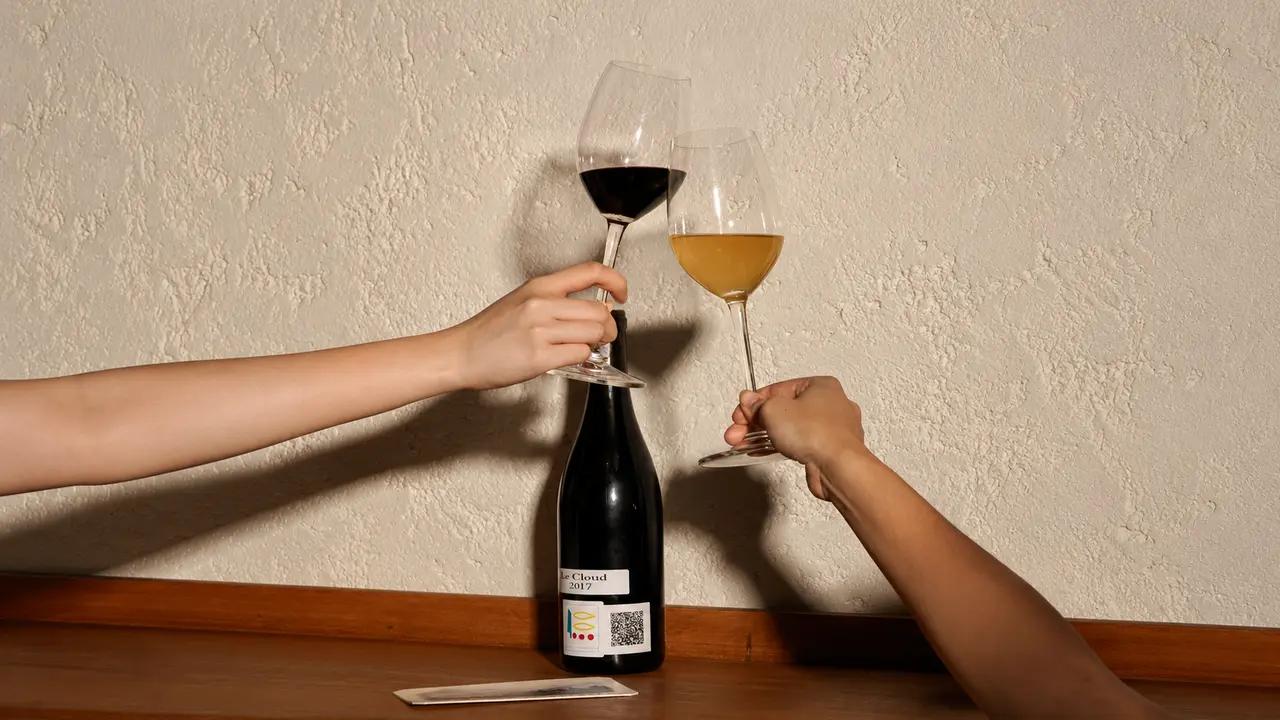

How much do you really know about wine? Red wine? White wine? Beyond those two, there are many famous types of wine, each with its own character and flavor profile to elevate any occasion.
What's interesting is that they all start from the same process, from harvesting grapes, extracting the juice, and fermenting it.
The differences come down to what happens at each step, and those details are what give you wine in different colors, textures, and alcohol levels.
Here's a closer look at each type of wine and what sets them apart.
ALSO READ: Tequila Types Explained: From Fresh to Aged
You may also like
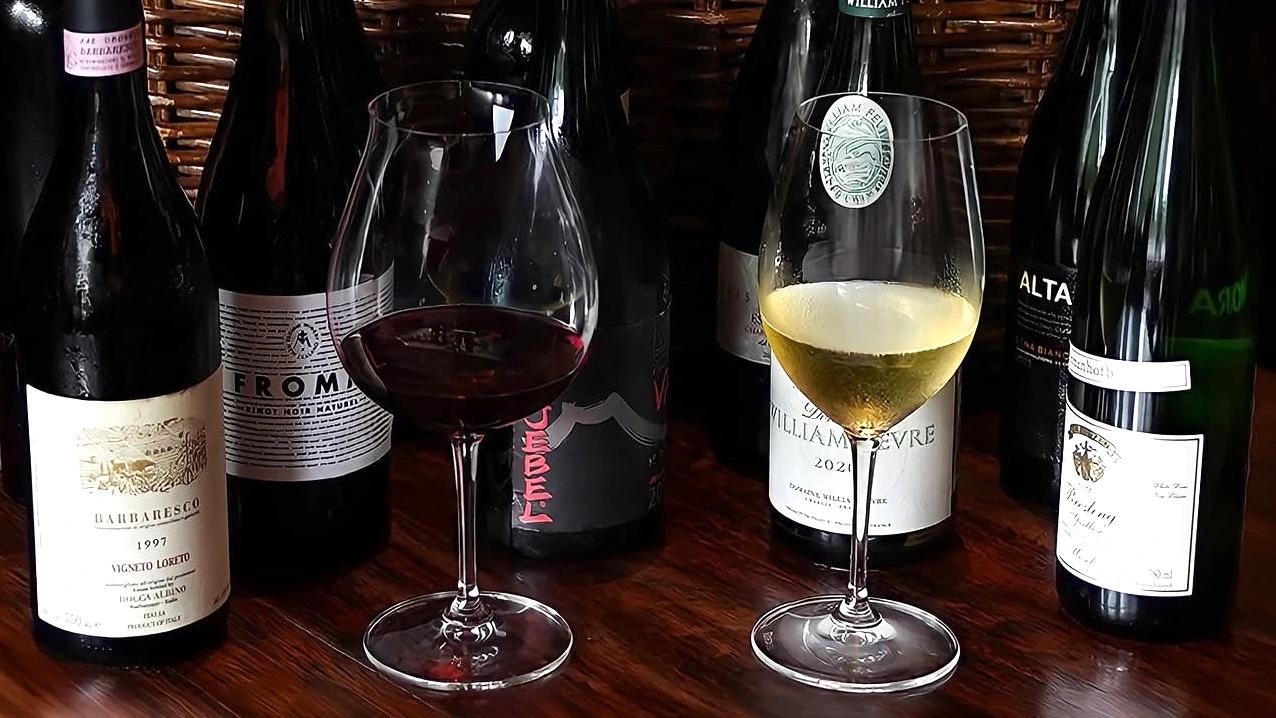
Wine by the Glass at Bar Luca: Prices & Wine Selection
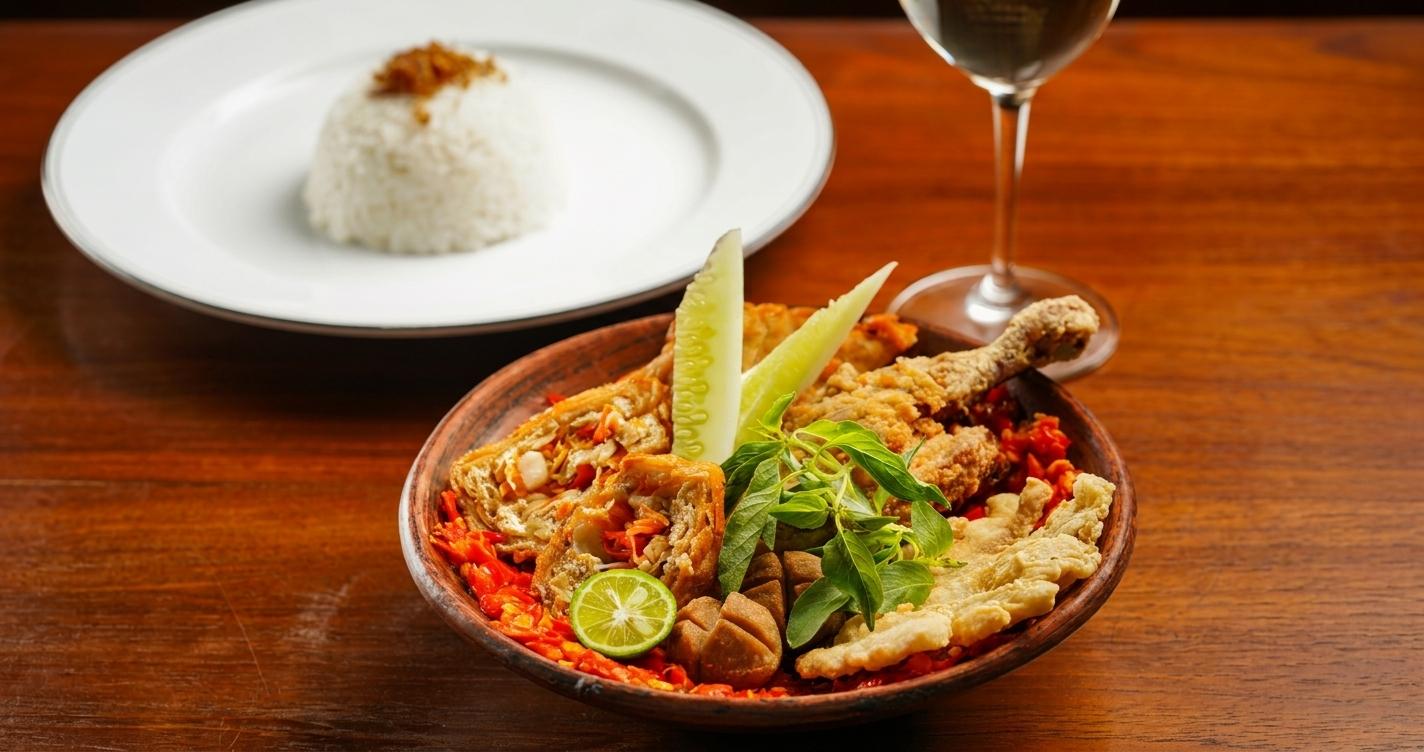
8 Indonesian Food Wine Pairing: A Guide to the Best Matches
Wine Promotions in Jakarta: Discover 15 Wines by the Glass
Types of Wine by Color
Wine comes in three colors. Red, White, and Rosé. Here are the things that separate them.
1. Red Wine
Red wine is made from dark-skinned grapes crushed together with their skins, then fermented. The skins are what give it that deep color and the gripping sensation on the palate known as tannin.
It is best served between 13–18°C. Cabernet Sauvignon sits at the bolder end, while Pinot Noir delivers a lighter, fresher take on the same color.
2. Rosé Wine
Rosé starts the same way as red wine, but the grape skins are only left in contact with the juice for a short time before being removed.
That brief contact gives rosé its signature pink color, a lighter body than red, but more character than white. For anyone new to wine, rosé is a solid first choice.
3. White Wine
White wine begins with green-skinned grapes that are pressed and fermented without the skins. It is low in tannin, known for its lighter body and clean, refreshing acidity.
Enjoy its complexity at 8-12°C. Chardonnay leans creamy and fruity, while Sauvignon Blanc goes lighter and sharper with a crisp finish.
Types of Wine by Drinking Sensation
Two sensations define how wine feels. The unique sensation of sparkling wine and the straightforward, original character of still wine. Here is what sets them apart:
1. Sparkling Wine
The defining feature of sparkling wine is carbonation. That fizz hits the palate immediately, alongside a dry, sharp base flavor. This character comes from a double fermentation process that happens in two separate environments.
One of the most famous types of wine is Champagne, with fine and long-lasting carbonation and hints of fresh fruit and toast on the nose. It's one of the most famous types of wine in the world.
2. Still Wine
Still wine lets the natural flavors of fermented grapes do the talking. No secondary fermentation, no bubbles. Red, rosé, and white wines produced this way are all still wines.
Types of Wine with Added Alcohol
For those who prefer something stronger, wines with added alcohol are worth exploring.
1. Fortified Wine
Fortified wine sits at 17 to 20 percent alcohol. This comes from adding pure alcohol to a wine partway through fermentation, which stops the process, leaving a drier character while locking in the flavors already developed.
2. Aromatized Wine
Aromatized wine goes one step beyond fortified. On top of the added alcohol, it's also infused with herbs, spices, and botanicals, such as cinnamon bark or bitter roots. This layering creates a more complex flavor profile. Vermouth and Martini are the most recognizable examples.
Types of Wine by Taste Profile
Across all types of wine, two terms describe where the sugar lands, dry and dessert.
1. Dry Wine
Dry does not mean the wine feels dry. It means there is no perceivable sweetness. During fermentation, nearly all the grape sugars convert into alcohol, and the less residual sugar left, the drier the wine tastes.
2. Dessert Wine
Dessert wine keeps its sweetness intact alongside the natural character of fermented grapes. That sweetness comes from grapes left to concentrate on the vine before harvest, then fermented over a shorter cycle.
Tips for Choosing Your First Wine
With so many types of wine out there, picking your first bottle can feel overwhelming. These tips will help you find a starting point.
1. Start Light
Pick Pinot Noir for red wine or Sauvignon Blanc for white wine. Both are approachable, easy on the palate, and won't overwhelm someone tasting for the first time. Build your references from there before moving to bolder styles.
2. Pair It with Food
Wine and food are better together. The key is matching the wine’s character to the dish. Full-bodied red wine pairs well with meat, while white wines tend to work better alongside seafood or lighter dishes.
3. Ask the Sommelier
For a first experience, the best wine is usually the one your Sommelier recommends. Tell them what flavors you enjoy, and let their knowledge do the work.
4. Order by the Glass
Ordering by the glass gives you room to explore. It lets you try a few different styles in one sitting until you land on the one worth coming back to.
ALSO READ: How to Choose Wine: A Simple Guide to Finding Perfect Match
Start Your First Wine Experience at Cork&Screw
Understanding the types of wine above makes it easier to find the first wine that fits your taste.
To make the experience of discovering each layer even more memorable, the setting matters just as much as what is in the glass.
A calm, intimate, and warm ambience is the best setting to pick up every complex, distinctive layer in a glass of wine.
Cork&Screw is one such place. To enjoy the full character of your wine, start your reservation at
• Cork&Screw Plaza Indonesia, M.H. Thamrin Street, No. 28 - 30 Jakarta 10350 (Monday - Saturday, 10.00 AM - 01.00 AM)
• Cork&Screw Pacific Place, Jend. Sudirman Street, No. 52-53 SCBD Jakarta 12190 (Monday - Friday, 08.00 AM - 01.00 AM and Saturday - Sunday, 09.00 AM - 01.00 AM)