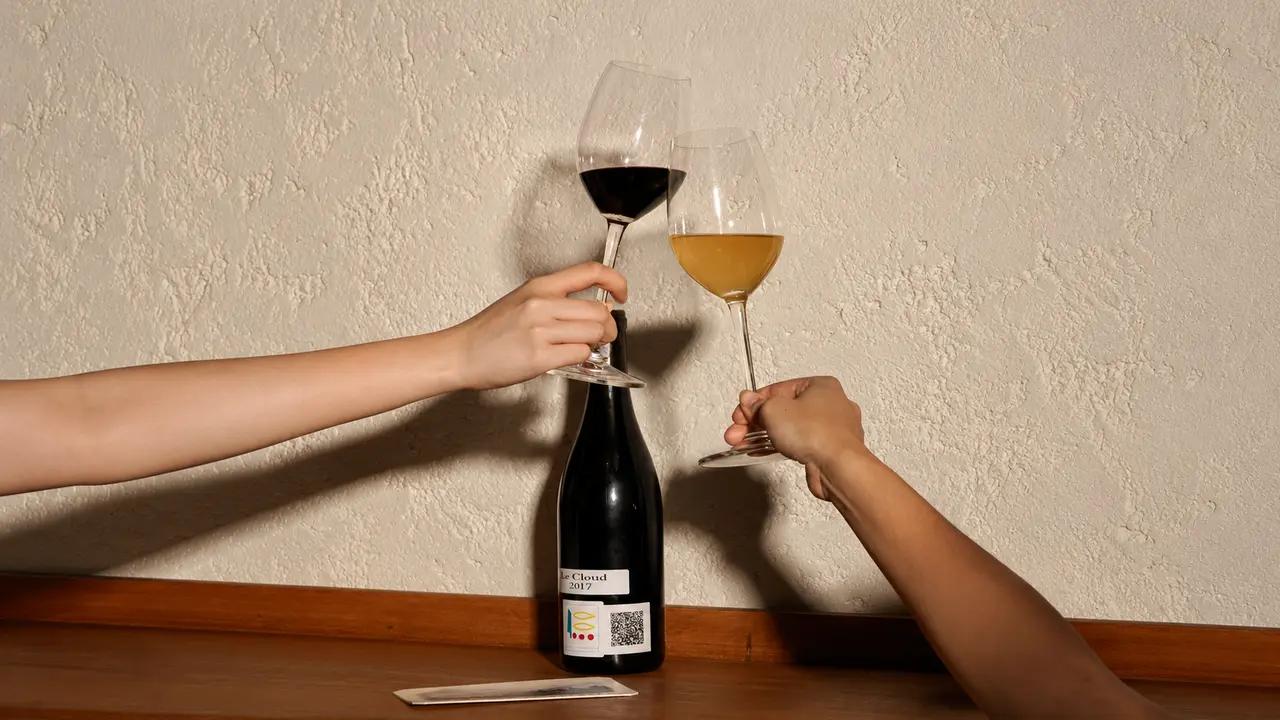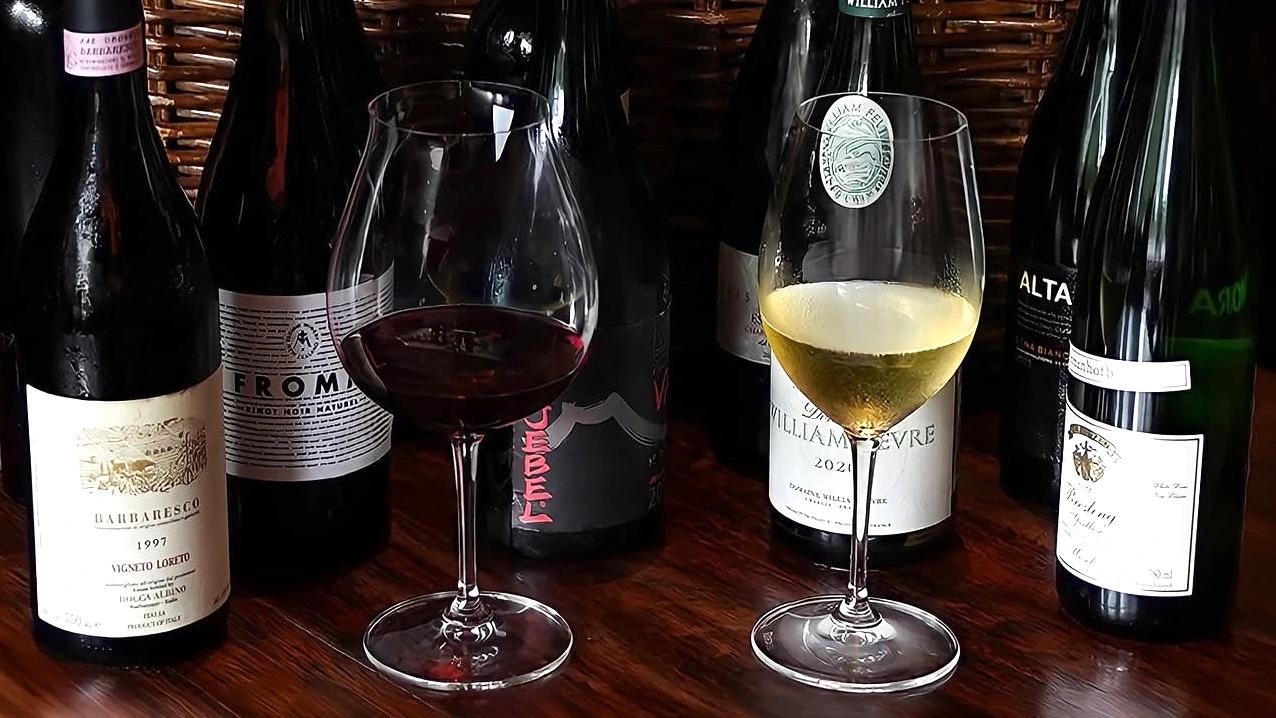

The difference between white wine and red wine starts with the grape and the production choices made in the cellar. What appears to be a simple color preference reflects a story of craftsmanship, patience, and terroir.
Once the grape skins are either retained or removed, the wines develop distinct characteristics. Red wine becomes bold and structured, with notes of dark fruit and spice. White wine remains bright and refined.
Understanding these differences helps you select a wine that enhances any occasion, from an intimate dinner to a memorable celebration.
ALSO READ: How to Choose Wine: A Simple Guide to Finding Perfect Match
You may also like
Wine by the Glass at Bar Luca: Prices & Wine Selection
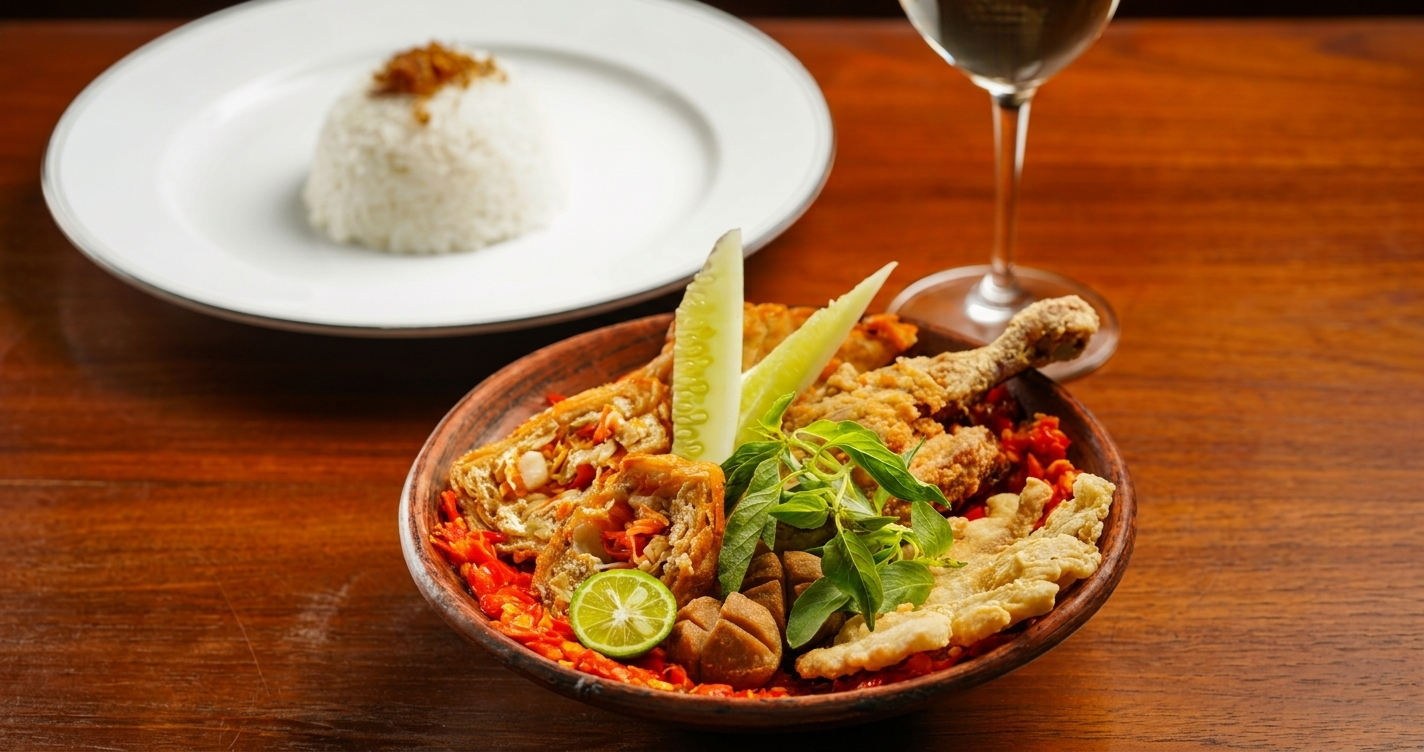
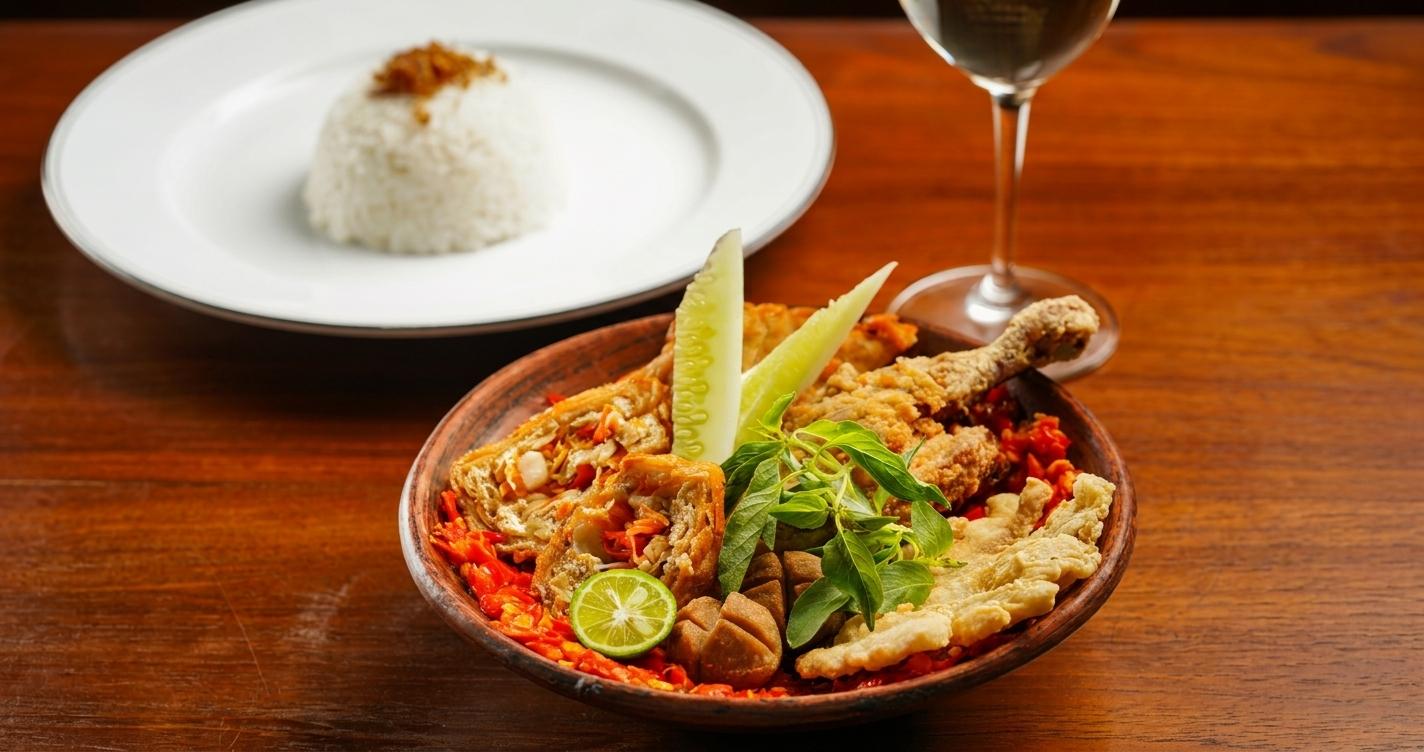
8 Indonesian Food Wine Pairing: A Guide to the Best Matches
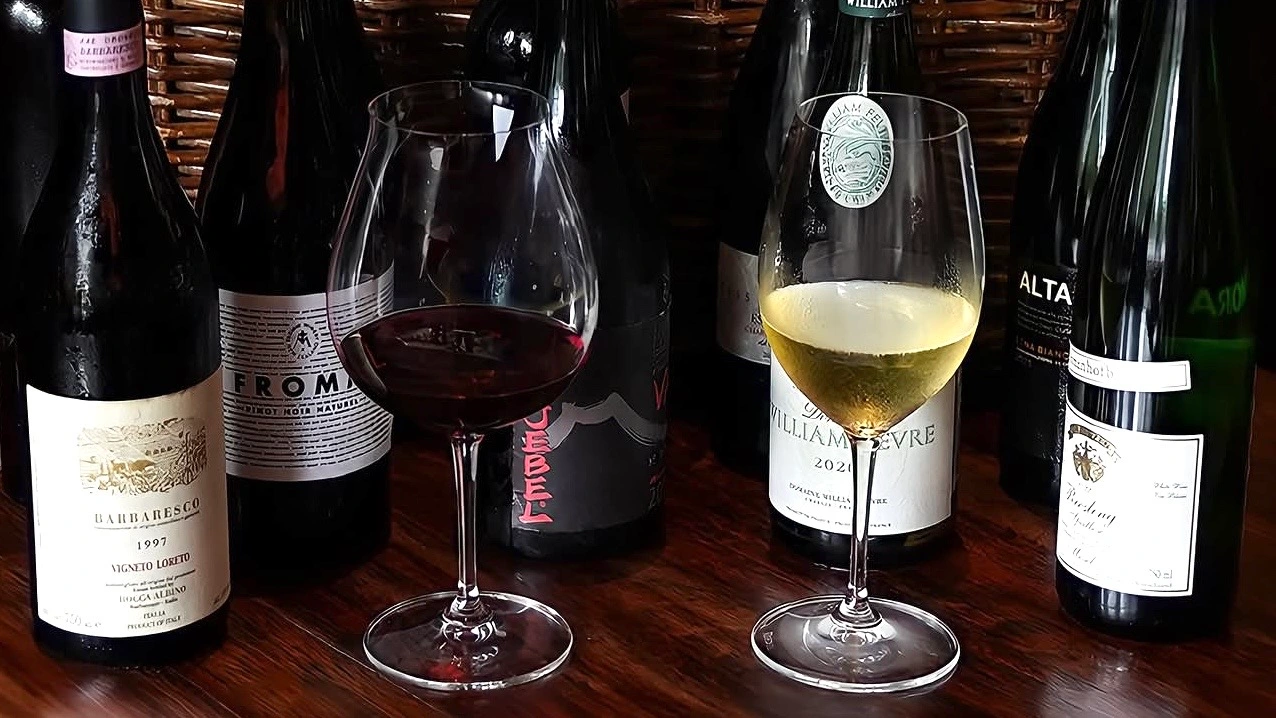
Wine Promotions in Jakarta: Discover 15 Wines by the Glass
Understanding White Wine and Red Wine
Before comparing them, it is helpful to note their similarities. Both wines start as grape juice that ferments into alcohol. The main differences between white wine and red wine are the grape variety and whether the skins remain during production.
Red wine is made from red or black grapes, with skins and seeds fermenting alongside the juice. This process releases tannins, color, and aromatic compounds, resulting in a deeper flavor.
White wine typically uses green or yellow grapes, with skins removed before fermentation. Some white wines, such as certain Champagnes, are made from red grapes with the skins excluded.
The Differences Between White Wine and Red Wine
With the basics covered, here are the five most notable differences between white wine and red wine, from grape selection to serving style.
1. Grape Type and Skin Contact
The fundamental difference is the raw material. Red wine uses dark-skinned grapes with skins left in during fermentation, providing color and structure.
White wine is made from pale-fleshed grapes with skins removed before fermentation, resulting in a cleaner, lighter palate.
2. Fermentation and Aging Method
The wines differ at fermentation. Red wine ferments with skins and seeds, and many are aged in oak barrels, adding notes of vanilla or spice.
White wine ferments without skins, typically in stainless-steel tanks to preserve fruit flavour and freshness. Some, such as Chardonnay, are also aged in oak for a fuller, creamier texture.
3. Color
Color is the quickest way to distinguish them. Red wine ranges from deep purple to brick red, with longer skin contact producing deeper hues.
White wine ranges from pale yellow to golden, as fermentation uses only the juice without skin pigments.
4. Taste, Aroma, and Tannins
Taste and aroma are immediately noticeable. Red wine is bolder and slightly drying due to tannins, with aromas of dark fruits like blackberry and plum, and hints of spice or cocoa.
White wine tastes lighter and fresher, without the drying effect. Aromas include citrus, tropical fruit, or flowers. Higher acidity gives it a lively character.
5. Serving Temperature and Glass Shape
Serving methods also differ. Red wine is served near room temperature, around 54 to 65°F, in glasses with a large bowl and wide opening to enhance aromas.
White wine is served cooler to maintain freshness, in smaller glasses with longer stems to prevent warming by hand.
Which One Is Right for You?
Choosing between white and red wine depends on your preferences and the meal. If you enjoy bold, layered flavors, red wine is a solid pick. If you prefer something light and refreshing, white wine is a better fit.
Consider the setting and menu as well. Use this simple guide for pairing wine with food:
• Red wine suits steak, grilled meat, hard cheese, and tomato-based dishes.
• White wine suits seafood, poultry, creamy pasta, and salads.
A simple rule is to match the wine's weight to the food's weight: pair light dishes with white wine and hearty dishes with red wine.
ALSO READ: Tequila Types Explained: From Fresh to Aged
Explore an Elevated Wine List Curated for Every Palate at Cork&Screw
With these differences in mind, you can confidently choose the wine that best suits your preferences.
Cork&Screw offers this experience as Jakarta's country club dining destination, featuring curated wines and elevated comfort food in a resort-style setting.
From full-bodied reds to light, citrus-forward whites, an award-winning selection awaits, paired with complementary dishes. Visit Cork&Screw at Senayan Avenue and reserve your table today.