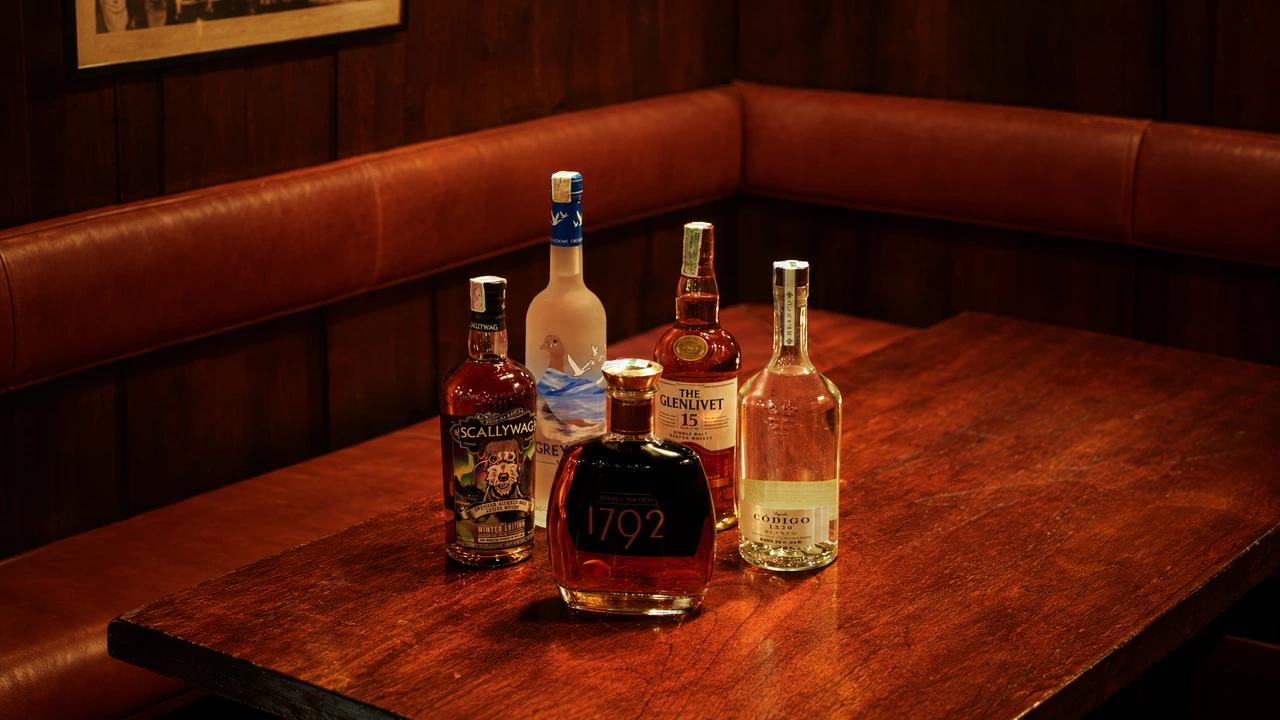
According to the Scotch Whisky Association, around 90% of Scotch whisky sold worldwide is blended, not a single malt.
Blended Scotch is consistent, flavorful, and affordable. It is also more versatile for cocktails.
Single Malts are known for their unique, distillery-specific character. It is a blend of 15%-40% malt whisky and 60%-85% lighter grain whisky.
This article explains the main differences between Single Malt and Blended Scotch. So, you will know each style and choose the one that suits your taste. Learn more below!
ALSO READ: The World of Tequila: Origins, Types, and Global Popularity
You may also like
Sunset Grill Menu: 8 Must-Try Dishes
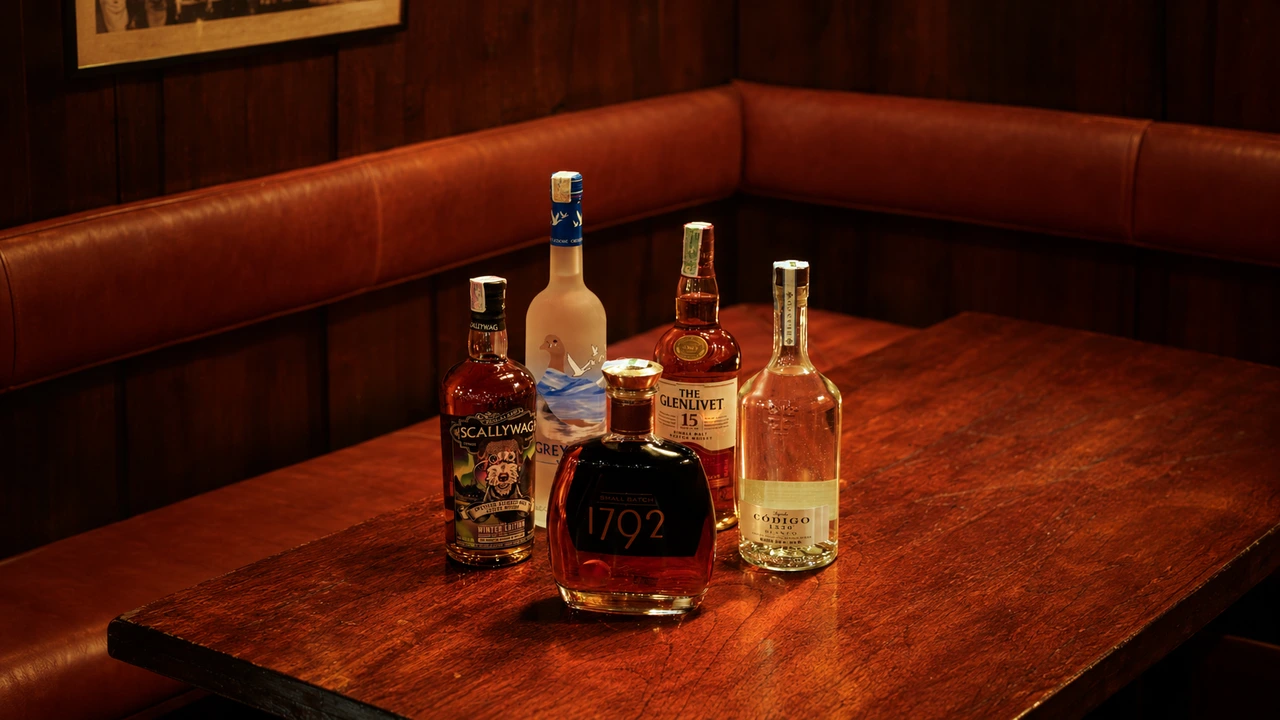
8 Signature Whiskey at Bottom Parlour
Discover Coffee Liqueur: Where Coffee Meets Fine Spirits
The Difference Between Single Malt and Blended
Without further ado, here are the differences between Single Malt and Blended Scotch.
1. Composition and Ingredients
By law, Single Malt Scotch is made from 100% malted barley, water, and yeast. No other grains are allowed.
Blended Scotch, however, is a combination of two types of whisky: Single Malt (the barley-based spirit) and Single Grain.
Single Grain whisky is made from malted barley combined with other "unmalted" whole grains, typically corn (maize) or wheat.
This mix of grains makes Blended Scotch light and smooth.
2. Definition
You might be confused by the word "Single". In Scotch, "Single" does not refer to the number of ingredients, the number of barrels, or a single batch of grain.
Instead, it refers to the distillery of origin. A Single Malt Scotch must be produced at one individual distillery.
On the other hand, a blended Scotch is a "marriage" of whiskies produced at many different distilleries across various regions of Scotland. Typically, it contains 20 to 50 components per bottle.
3. Distillation Equipment and Stills
The equipment used to produce alcohol affects the final texture and "weight" of whiskey. Single Malt Scotch must be distilled in Copper Pot Stills. These are large, onion-shaped vessels that operate in batches.
The still must be filled, heated, cleaned, and refilled for each cycle. This process is less efficient, but preserves the barley's heavier oils and richer flavors.
Blended Scotch uses grain whisky produced in column stills (also known as Coffey or continuous stills). These still run continuously and produce alcohol at a higher level.
They remove heavier oils to create a cleaner, more neutral spirit that serves as the base for the blend.
4. Flavor Philosophy and Character
The goal for the final product differs by category. Single Malts are known for individuality and "terroir".
It is designed to highlight the unique characteristics of a particular location, such as the medicinal peat smoke of an Islay distillery or the light floral honey notes of a Speyside distillery.
Meanwhile, Blended Scotch is designed for balance and consistency. The goal of a blend is to be approachable and smooth, ensuring that a bottle of the same brand tastes exactly the same, whether you buy it in London, New York, or Tokyo.
The grain whisky helps create a smoother and less intense flavor.
5. Blender vs Distiller
For a Single Malt, the focus is on the Master Distiller and the environment of the specific site where it's made (the water source, the shape of the stills, and the local climate).
For Blended Scotch, the Master Blender is very important. They act like an orchestra conductor, sampling hundreds of casks from dozens of distilleries to find the perfect blend.
They must accept that every barrel ages differently. They use their expertise to maintain a flavor for each brand year after year.
6. Categories and Classifications
The Scotch Whisky Regulations of 2009 created five legal categories to prevent consumer confusion. These categories are grouped under the "Single vs Blend".
• Single Malt: One distillery, 100% malted barley.
• Single Grain: One distillery, barley plus other grains.
• Blended Malt: A blend of only Single Malts from different distilleries (no grain whisky).
• Blended Grain: A blend of only Single Grain whiskies from different distilleries.
• Blended Scotch: The traditional mix of both Single Malt(s) and Single Grain(s).
7. Age statements and the Youngest Component Rule
Both types of Scotch have an age statement on the label (e.g., 12 Years Old). The law is strict in all categories. The age displayed must be the age of the youngest whisky in the bottle.
In a Single Malt, this means every drop in that bottle is at least 12 years old, even if it's a mix of 12, 15, and 18-year-old barrels from that distillery.
In a Blended Scotch, if a blender mixes a 40-year-old Highland malt with a 3-year-old grain whisky, that bottle must be labeled as a 3-year-old whisky.
8. Market Positioning and Price Points
Due to the labor-intensive nature of pot still distillation and the high cost of malted barley, Single Malts are premium products.
Blended Scotch, made with column stills and more affordable grains like wheat and corn, can be produced on a larger scale.
Blends are more affordable and widely available, which is why they account for about 90% of all Scotch whisky sold worldwide.
9. Consumption and Usage
Single Malts are enjoyed neatly, with a splash of water, or over a large ice cube. You can use cocktails, but be careful. Strong flavors can easily be lost or clash with other ingredients.
Blended Scotch, with its smoother and more balanced taste, is the best choice for mixology. Its flavor makes it the perfect base for drinks, such as Rob Roy, Penicillin, or a simple Highball with soda water.
Bottom Parlour Blend
You should also try the Bottom Parlour House Blend Whisky.
Bottom Parlour House Blend Whisky is a blend of three different types of whisky. Bourbon, Single Malt Scotch, and Irish whiskey. After blending, it sits in an American oak barrel at our warehouse for 40 days.
This allows the different elements to integrate into a smooth, balanced, and well-rounded Bottom Parlour whiskey.
- Nose: The smell is rich and warm, such as apple, toffee, and honey. It also has sweet marzipan and a little bit of tangy marmalade.
- Palate: It is fresh and mellow, with hints of pear, creamy peach, and pineapple, and a touch of Demerara sugar.
- Finish: It is rich, smooth, refreshing, and easy to drink.
ALSO READ: Types of Cocktails: Exploring Classic and Modern Mixes
Visit Bottom Parlour in Senopati, Jakarta Selatan!
Those are the differences between Single malt and Blended Scotch. Well, Single Malt whisky is crafted at a single distillery of 100% malted barley. Meanwhile, Blended Scotch combines multiple whiskies.
To enjoy the finest Single Malt and Blended Scotch whiskies, come straight to Bottom Parlour.
Bottom Parlour is a premium speakeasy bar in Senopati, and a must-visit for whisky lovers. It provides over 500 whisky labels around the world.
Also, this place is best for relaxing, having conversations, or date nights. With its intimate vibe, warm lighting, and cozy interior.
Bottom Parlour is located on Jl. Suryo No. 32, Kebayoran Baru, Jakarta 12180. The bar operates from 6 PM to 2 AM (Monday–Saturday).
Due to its limited seating and exclusive atmosphere, reservations are highly recommended.