
Scotch whisky must be aged at least three years. It is made from grains, water, and yeast.
Production regulations are strict and governed by Scottish law. Every bottle must contain at least 40% alcohol by volume (ABV). Due to these standards, not all whiskeys can be called "Scotch".
This article explains the definition of Scotch whisky, the process, and the types.
ALSO READ: Difference Between Tequila and Mezcal: Craftsmanship in Every Sip
You may also like
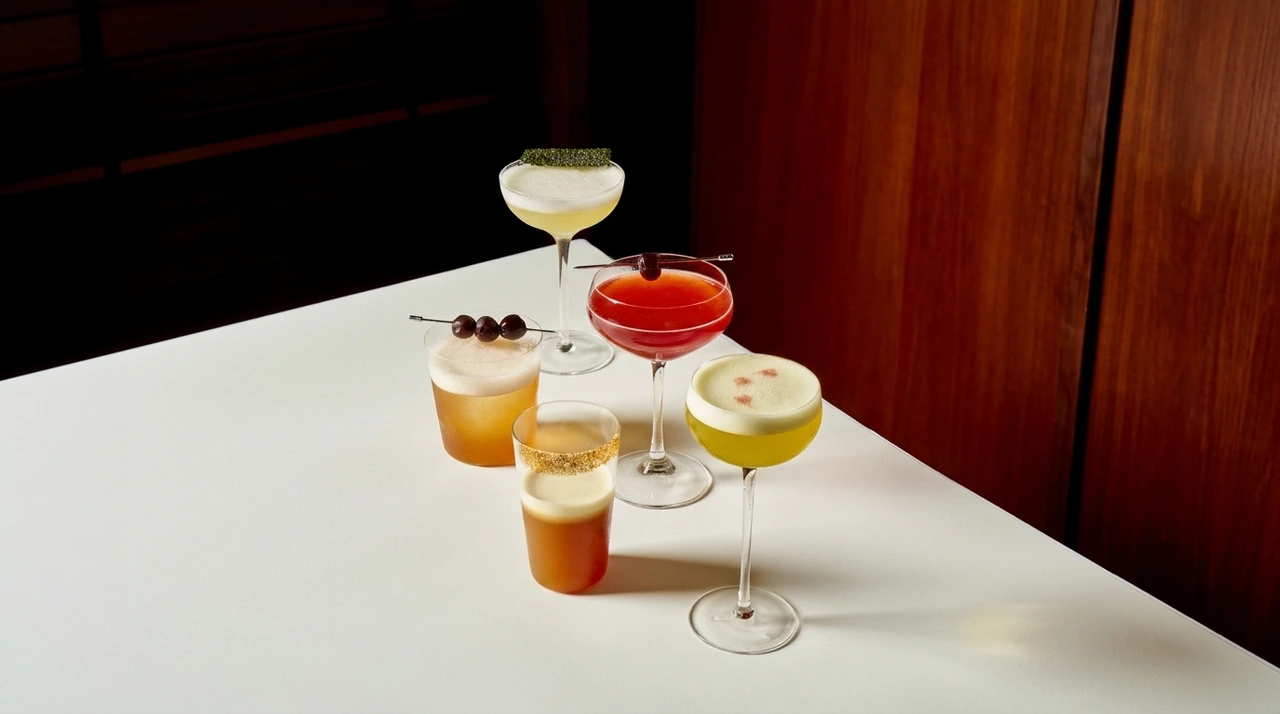
The Cocktail Club Drinks: Explore a Variety of Favorite Cocktails
Italian Cocktails: Explore Classic Cocktails Loved Around the World
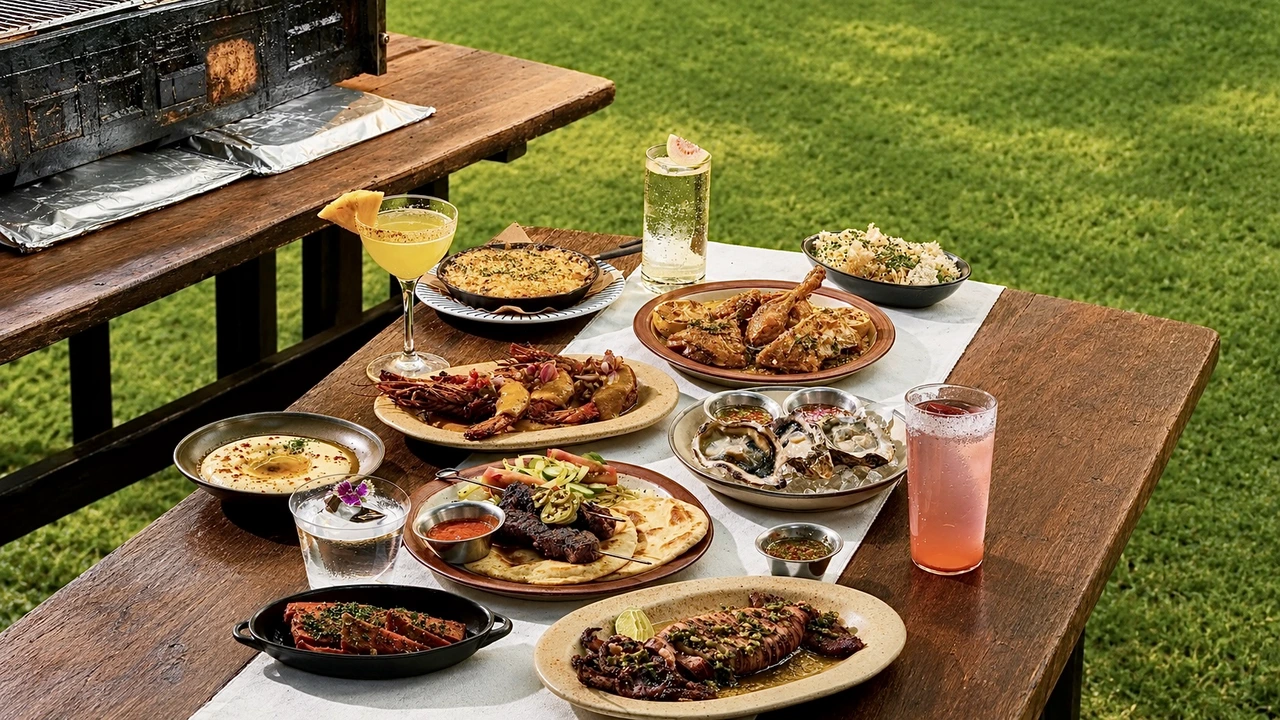
Sunset Grill Menu: 8 Must-Try Dishes
What Is Scotch Whisky
Some people refer to Scotch as whisky from Scotland. However, this designation is not based on taste or color, but rather on strict production regulations.
Here are the main requirements for whisky production.
1. Ingredient and Distillation Rules
Scotch only uses natural enzymes derived from grains. Fermentation must be carried out using yeast alone.
Meanwhile, distillation must be conducted at an ABV (alcohol by volume) of less than 94.4%. The goal is to ensure the fundamental character of Scotch remains consistent.
2. Maturation Rules
Scotch must be aged in oak barrels. The barrels' capacity must not exceed 700 liters. This process takes place in Scotland for a minimum of three years.
During this time, whiskey acquires new colors and aromas as it comes into contact with the wood.
3. Additional Rules
Scotch does not contain any additives. The only exceptions are water and E150a caramel coloring. This coloring is used only for appearance, not to alter the flavor.
These rules are outlined in the Scotch Whisky Regulations, which were established by the Scotch Whisky Association.
How Scotch Whisky Is Made
The process of making Scotch consists of six sequential stages. Each stage contributes to the final product's aroma and flavor. Here are the production steps.
• Malting. Barley is soaked, germinated, and then dried in a kiln.
• Milling. The malt is ground into a coarse grist.
• Mashing. Hot water dissolves the sugars from the grist.
• Fermentation. Yeast turns those sugars into alcohol.
• Distillation. The liquid is heated in a pot or column still.
• Maturation. The spirit rests in oak casks for years.
Types of Scotch Whisky
Scotch whiskey is divided into five categories. Here are the differences between each type.
1. Single Malt Scotch Whisky
This type of whisky is produced at a single distillery, using malted barley as its main ingredient.
The production process is done in batches using copper pot stills.
Single malt Scotch whisky is often considered to have a strong flavor.
2. Single Grain Scotch Whisky
Single grain Scotch whisky is made at a single distillery using grains other than barley, such as wheat or corn. This type of whisky is usually used as part of a mix of other types of whiskeys.
3. Blended Scotch Whisky
This type of Scotch is a blend of single malt and single grain whiskies. Blended Scotch whisky is the most popular type worldwide, as it offers a balanced flavor that most people enjoy.
4. Blended Malt Scotch Whisky
This type of Scotch is a mix of single malts from different distilleries. It doesn't have any grain whisky added.
5. Blended Grain Scotch Whisky
Blended grain Scotch whisky is made by combining single grains from several distilleries. It has a light and smooth flavor.
Scotch Whisky Regions
The production region also influences the flavor of Scotch whisky. Natural elements such as water, peat, and the local climate contribute to its unique flavors.
Scotland has five geographical regions that shape the characteristics of its whiskey. Below is an overview of the characteristics of each region.
• Speyside. Fruity, vanilla-led, and gentle. It holds the densest cluster of distilleries.
• Highlands. The largest region with varied styles. Flavors range from light to bold.
• Lowlands. Light, smooth, and often floral. A good starting point for beginners.
• Islay. Known for smoke and heavy peat. Its coastal setting adds a briny edge.
• Campbeltown. It's small but noticeable. It has a salty and oily flavor.
How to Enjoy Scotch Whisky
Here are some ideas for enjoying Scotch.
• Neat. Pour 30 to 50 ml with nothing added. This shows the true aroma.
• On the rocks. Add ice if you like a cold serve.
• Highball. Mix Scotch with soda and ice.
• Cocktail. Scotch works well in classic recipes. Pair it with balanced ingredients.
Tasting Scotch Whisky at Bottom Parlour
Once you've learned the basics, come to Bottom Parlour to taste Scotch whisky. The bar is located at Jl. Suryo No. 32, Kebayoran Baru, Jakarta Selatan.
It has over 500 labels in its collection, ranging from smoky to floral. Bottom Parlour also crafts its own signature blend: the Bottom Parlour House Blend.
Bottom Parlour House Blend
Bottom Parlour House Blend is a mix of three types of whiskey: Bourbon Whiskey, Single Malt Scotch Whiskey, and Irish Whiskey.
After blending, this blend is aged for 40 days. The process takes place in American oak barrels at our warehouse. The result is a well-rounded, smooth, and balanced flavor.
• Nose. Apple, toffee, and honey, with sweet marzipan and a hint of marmalade.
• Palate. Fresh pear, creamy peach, and pineapple, lifted by Demerara sugar.
• Finish. Rich, smooth, fresh, and easy to drink.
ALSO READ: Single Malt vs Blended: Discover What Makes Each Whiskey Unique
Bottom Parlour: The Best Place to Drink Scotch Whiskey in Jakarta!
That was a summary of Scotch whisky and how to enjoy it. The next step is to taste it at Bottom Parlour, which offers more than 500 whisky labels.
The atmosphere at Bottom Parlour is calm and perfect for enjoying whisky in the evening. Also, try the specially crafted Bottom Parlour House Blend.
Make a reservation at Bottom Parlour!