Paella is a Spanish rice dish from Valencia. Chefs prepare it in a wide, flat pan with rice and saffron. The added ingredients are chicken, rabbit, or seafood.
You can recognize Spanish paella by its golden saffron color and the crisp layer of rice at the bottom of the pan. This article covers the origin, ingredients, varieties, and serving of paella.
ALSO READ: Paris on a Plate: Savoring French Culinary Delights
You may also like
6 Traditional Desserts: Timeless Sweet Treats
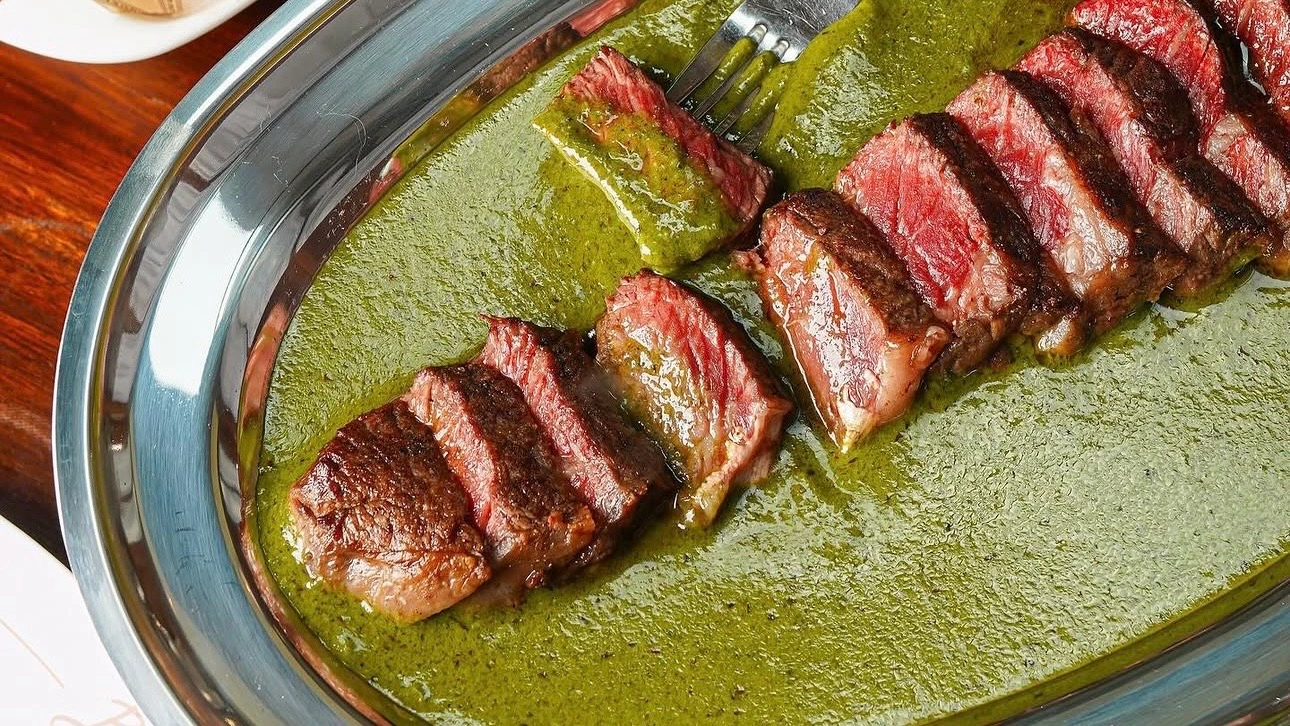
Black Angus Steak: The Secret Behind Its Signature Quality
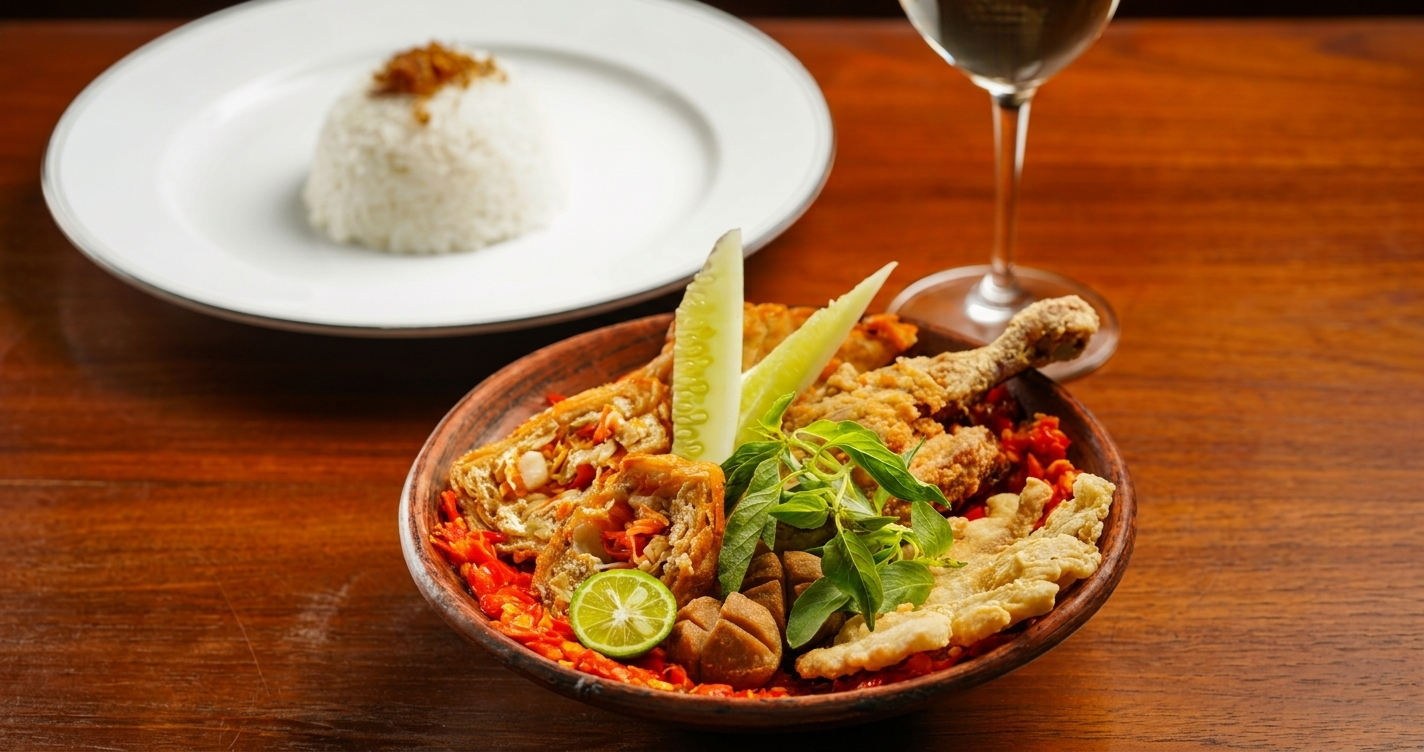
8 Indonesian Food Wine Pairing: A Guide to the Best Matches
The Origin of Paella in Valencia
The modern paella recipe appeared around the mid-19th century near Lake Albufera, on Spain's eastern coast. Before it reached restaurants, paella was known as a farmer's meal in the rice fields.
This section traces the history of the word "paella" and its source.
A Farmer's Dish by Lake Albufera
Paella was originally created by farmers and laborers in Valencia. They cooked it during their lunch breaks in the rice fields. They used fresh ingredients available to them, such as chicken, rabbit, duck, and, occasionally, snails.
Interestingly, the rice was cooked in a shallow pan with broth, ensuring that the open fire from the firewood reached the entire surface evenly.
The dish's distinct flavor and golden-yellow hue come from saffron, a precious spice introduced to the region by the Moors around the 10th century.
From Pan Name to Dish Name
The word "paella" comes from the Valencian term for a flat pan. Its root traces back to the Latin word patella, which means pan.
A local Spanish newspaper used "paella" for the recipe itself in 1840. Since then, the name of the pan moved to the dish.
Main Ingredients of Paella Dish
The flavor of paella comes from rice, spices, and protein cooked slowly together. Each ingredient plays a role, from the texture of the rice to its signature yellow color. Here are the ingredients that build a paella.
1. Bomba Rice
Bomba rice is a short-grain rice that absorbs plenty of liquid, without turning mushy. The grains swell while they hold the flavor of the broth.
Some chefs use the slightly sticky Senia variety instead. This rice gives paella a texture that plain rice cannot match.
2. Saffron for Color and Aroma
Saffron gives the rice its golden color and a soft, floral aroma. The spice comes from the stigmas of the Crocus sativus flower. Since harvesting saffron is done by hand, it ranks among the most expensive foods by weight.
On the other hand, traditional chefs use saffron strands rather than powder.
3. Protein, Vegetables, and Olive Oil
Paella Valenciana uses chicken, rabbit, green beans, and white beans. The seafood version swaps the meat for prawns, mussels, or squid.
Olive oil serves as the base fat for sautéing every ingredient. Chefs often add grated tomato as a flavor base.
Varieties of Spanish Paella
Every region in Spain prepares paella in its own way. Different ingredients create a range of colors, flavors, and looks. You will run into these four varieties most often.
1. Paella Valenciana
Paella Valenciana is the original recipe from Valencia. It holds chicken, rabbit, sometimes snails, green beans, white beans, and saffron. This version leaves seafood. People in Valencia treat it as the most authentic recipe.
2. Paella de Marisco
Paella de marisco uses seafood as its main ingredient. Prawns, mussels, and squid replace chicken and rabbit. A seafood broth adds a deep, savory flavor. This variety is popular along the Mediterranean coast.
3. Paella Negra
Paella negra uses squid ink, so the rice turns black. The ink adds a strong sea flavor and a striking look. Chefs usually serve this dish with squid or other seafood.
4. Paella Mixta
Paella mixta combines land meat and seafood in one pan. This mix appeared after paella spread beyond Valencia. Some versions add chorizo, though people in Valencia see it as a non-traditional ingredient.
How to Cook and Enjoy Paella
The best paella has a layer of rice at the bottom of the pan and is served in a certain way. This section explains the meaning of "socarrat" and the tradition of eating paella.
Follow the steps below to understand the process.
The Secret of Socarrat
Socarrat is the crisp rice layer that forms at the bottom of the pan. To get it, follow these steps.
• Add the rice, then let it absorb the broth without stirring.
• Raise the heat once the broth is almost gone.
• Listen to a crackling sound, similar to popcorn, from the bottom of the pan.
• Remove the pan after about 30 seconds to prevent the rice from burning.
Serving Tradition
Chefs serve paella hot, straight from the pan, as a shared dish. After it finishes, let it rest for about 5 minutes to allow the broth to settle. Bread, green salad, and roasted peppers pair well as sides.
Paella on the Menu at Bar Luca
Bar Luca brings Spanish flavors to 18 Parc Place SCBD, South Jakarta. Chef Fernando Sindu leads the kitchen, serving paella, tapas, and a collection of more than 200 wine labels.
Here are the paella choices on the Bar Luca menu.
• Paella Valenciana. It holds chicken, saffron-based stock, mussels, prawns, green beans, and peppers.
• Squid Negra | Seafood Mariscos. A black paella rice with squid ink and seafood.
• Brunch Paella (Sunday menu only). It holds bomba rice, roasted chicken, piquillo peppers, chorizo, and egg.
ALSO READ: A Journey Through Italian Desserts: Sweet Tales from Rome
Taste Authentic Spanish Paella at Bar Luca, SCBD, Jakarta!
Paella is a Spanish rice dish with a range of seafood and spice varieties. Bar Luca at 18 Parc Place SCBD serves paella alongside tapas and wine in a warm setting made for sharing.
You can come with friends, couples, or family to try paella. Make a reservation at Bar Luca SCBD!